

I seem to be on a roll with the good news lately. This issue takes you to Africa's south, because there are two legal news again that are worth your attention today.
In Lesotho, villagers who were ignored for more than a decade finally won their case against the authority running a massive water project for South Africa. In Mozambique, families and rights groups are demanding accountability as new evidence emerged about abuses linked to the conflict in Cabo Delgado.
Also in this issue:
A mass school kidnapping in Nigeria that forced classrooms to close again. Journalists in Tunisia taking to the streets to protest the harshest media crackdown since the revolution. A Peruvian ex--prime minister hiding inside the Mexican embassy to avoid arrest. And Sudan's volunteer networks winning one of the world's top public policy prizes for doing the work international actors failed to do. Plus, so much more (like Uzbek pop).
A human rights group is accusing France's TotalEnergies of complicity in war crimes in Mozambique
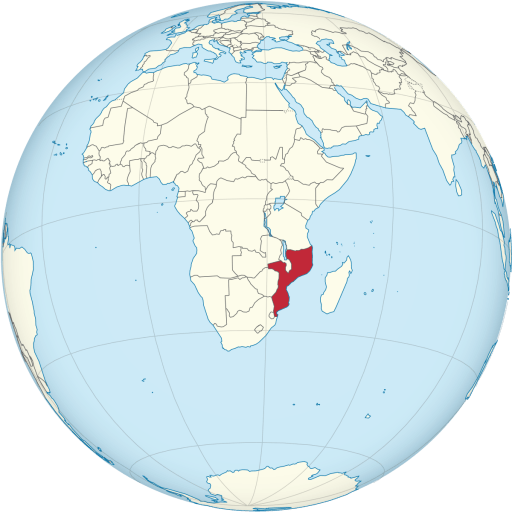
What happened:
The European Center for Constitutional and Human Rights (ECCHR), a German human rights NGO, filed a criminal complaint in France accusing TotalEnergies of being complicit in war crimes in Mozambique. The case is now with France's national anti-terrorism prosecutor, who can investigate international crimes.
Why this matters:
TotalEnergies' LNG project is one of the biggest gas projects in Africa. For many local communities, it has meant displacement, militarization, and constant insecurity. If held accountable, this case might set yet another standard for what companies can or cannot get away with in conflict zones or war-affected regions.
Tell me more:
The complaint centers on what ECCHR calls the "container massacre." Between July and September 2021, soldiers who were paid to protect the LNG site in Cabo Delgado allegedly locked up dozens of civilians in metal shipping containers at the site entrance. These civilians were fleeing attacks by the armed group Al-Shabab in Palma and were stopped by the army. Reports say detainees were tortured, forcibly disappeared, or executed.
What happened there, exactly?
The (resource-rich) Cabo Delgado province has been in conflict since 2017 as Al-Shabab has attacked villages and displaced hundreds of thousands of people. And in March 2021, things escalated even further, when Islamist fighters attacked the town of Palma in northern Mozambique. According to journalist Alex Perry, they killed or kidnapped 1,563 civilians who lived near TotalEnergies' gas plant on the Afungi peninsula. Perry was the first to document the full death toll and the later follow-up killings at the entrance to Total's compound, which he reported for Politico in 2024. He called it the "bloodiest disaster in oil and gas history." "Most people have never heard about any of this, partly because Total has never admitted to it," Perry told the BBC.
Who were the soldiers?
They were part of a joint task force (JTF) that was paid by TotalEnergies under a formal agreement with Mozambique's government. It was made up of Mozambican armed forces. Under this deal, TotalEnergies provided accommodation, food, equipment, and bonuses for soldiers. ECCHR says internal documents show TotalEnergies knew of accusations against the Mozambican armed forces from May 2020 but kept supporting the JTF anyway. The only safeguard in place was the option to withhold said bonuses if soldiers committed human rights violations, which ECCHR says "clearly failed."
What does TotalEnergies say?
TotalEnergies denies knowing anything about torture, killings or detentions at the site. The company says its employees left in April 2021 and did not return until November 2021.
Good to know:
This case comes after a seperate criminal complaint filed in 2023 by survivors and relatives of people killed in the April 2021 attack on Palma. In that earlier complaint, TotalEnergies is accused of failing to protect its subcontractors, some of whom were targeted and killed during the attack. In March 2025, the prosecutor in Nanterre opened a preliminary investigation into TotalEnergies for manslaughter and failure to assist people in danger. So far, no charges have been filed. The company denies wrongdoing in that case, too.
What now?
TBD. Despite continued violence and a worsening humanitarian crisis, TotalEnergies wants to return to Mozambique in 2029. The company's plan to reopen the site includes extra costs of around US$4.5 billion (€3.9 billion). These extra costs would be paid by the Mozambican government, even though the country is already heavily burdened by debt and the conflict in Cabo Delgado. Last month, Mozambican and international NGOs accused TotalEnergies of holding Mozambique "hostage" by demanding extremely favorable conditions to restart the LNG project, where Total holds a 26.5 percent stake.
Zoom out:
This case is very similar to the Lafarge case in Syria (France's Lafarge is the first company in the world to face charges of complicity in crimes against humanity; allegedly made deals with ISIS and other armed groups to keep its cement plant in Jalabiya running) or the ongoing Lundin trial in Sweden (huge deal in Sweden; two former top executives of the oil company are on trial for complicity in grave war crimes committed by Sudan's government during the civil war in what is now South Sudan; Swedish prosecutors say the company benefited from Sudanese military campaigns that cleared land for oil exploration between 1999 and 2003.)
A Lesotho court ruled in favor of villagers left out of a dam project that feeds South Africa's water needs
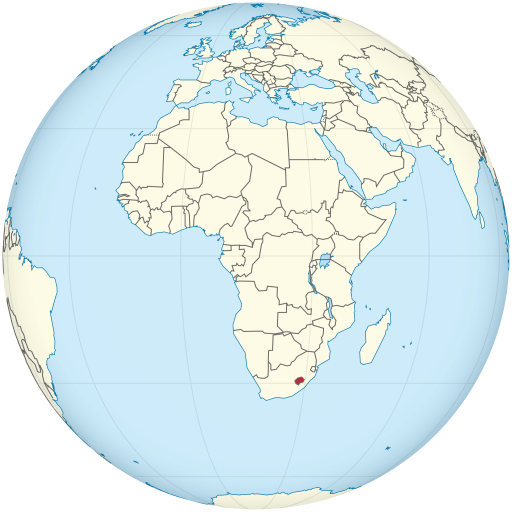
Refresher:
The Katse Dam is a pretty significant piece of infrastructure in Lesotho. It's part of the Lesotho Highlands Water Project, which is essentially this big water transfer scheme that transfers water from Lesotho to South Africa. As a massive concrete arch...
Please log in or subscribe for free to continue reading this issue.
We could use your help to make this issue better. Take a look at the requests below and consider contributing:
- Submit a piece of artwork for this issue
- Submit a news, academic or other type of link to offer additional context to this issue
- Suggest a related topic or source for future issues
- Fix a typo, grammatical mistake or inaccuracy
Below you'll find some of the sources used for this issue. Only sources that support "media embedding" are included.
-
-
TotalEnergies denies responsibility for the actions of local security forces involved in dozens of killings.
-
TotalEnergies ready to restart Mozambique LNG at any cost — provided that cost is paid by Mozambicans | Les Amis de la TerreTotalEnergies’ decision to lift force majeure for its Mozambique LNG project despite increasingly dangerous security conditions ignores warnings that the security arrangements for the project jeopardises the safety of communities.
-
Eleven former Syrian employees of French cement company Lafarge submitted a criminal complaint against Lafarge.
-
A trial against two former executives at the Swedish oil company Lundin Oil, now Orrön Energy, is taking place in Sweden. The chief executive, Alexandre Schneiter, and chairman, Ian Lundin, have both been indicted with complicity in grave war crimes committed by Sudan’s regime in what is now South Sudan. The trial is historical – it is the biggest one in Swedish history. We are monitoring the trial on site and will be publishing reports from it every week. These reports were co-funded by the European Union. Its contents are the sole responsibility of Civil Rights Defenders and do not necessarily reflect the views of the European Union. Follow the trial below:
-
Villagers in Bobete lost access to riverine resources since the Katse Dam was built
-
Government Finally Settles with Fishermen Following Lengthy Legal Battle It takes about six years for a Kenyan family to raise a child from birth to starting school. By year six, a child would be preparing for and starting primary school, marking a significant milestone in their development. Coincidentally, this is the same amount of time […]
-
Investigating the obstacles to action on climate change.
-
About 600,000 people seeking compensation a decade on from disaster that killed 19 and devastated villages
-
The Christian Association of Nigeria on Saturday updated an earlier tally of 215 children.
-
A Christian group has announced that at least 50 of the more than 300 children snatched by gunmen from a Catholic school in Nigeria have fled from their captors.
-
At least 90 people have now died in floods and landslides in central Vietnam triggered by heavy rains earlier this week, according to the country’s disaster prevention agency.
-
According to UNICEF, more than 400 million children globally live in poverty, missing out on at least two daily needs such as nutrition and sanitation.
-
With Dalit Chief Justice Bhushan Ramkrishna Gavai retiring, India's top court will be down to one Dalit and one woman — with most of the judges being upper-caste Hindu men. Is the court ready for more diversity?
-
The United States is boycotting the two-day talks in Johannesburg over a diplomatic rift with the host country.
-
Analysts and opposition MPs say Prime Minister Edi Rama’s public backing for his indicted deputy is a direct challenge to the fight against organised crime and corruption.
-
The 27-year-old forward nicknamed “Harry Potter” by fans is known for celebrating goals by mimicking a wizard casting a spell with an imaginary wand.
-
Dhaka says New Delhi has an ‘obligatory responsibility’ to hand over the former leader, recently sentenced to death.
-
The prize is presented to ‘the person, persons, or organization deemed to have made the most significant contribution to the improvement of international relations’.
-
The civil engineer was seen in the front row of a protest organised by the National Socialist Network.
-
Germany’s support for Brazil’s new rainforest protection fund adds momentum to a global effort that will reward forest conservation, penalize deforestation and direct resources to Indigenous and traditional communities.
-
Africa’s power is not just about presidents, CEOs, or celebrities, it often runs through family bloodlines. From old-money dynasties to modern disruptors, these families wield influence across politics, business, culture, and technology, shaping nations and industries in ways few notice but everyone feels. | Business Insider Africa
-
‘Live with it for 10 years,’ negotiator Miro Lazovic recalls US mediator Richard Holbrooke saying of the peace deal that ended the 1992-95 Bosnian war. Thirty years later, the unwieldy system of ethnic power-sharing decided in Dayton, Ohio, remains largely untouched.
-
The new record staggered some people, though residents also said it was par for the course for the desert city with a luxury lifestyle.
Each week, What Happened Last Week curates news and perspectives from Asia, Africa, and the Americas. The newsletter is written by Sham Jaff and focuses on stories that rarely receive sustained attention in Western media.
Read the free edition every week. VIP subscribers receive additional stories, recommendations on what to watch, read and listen, and more.