

This issue feels like a quiet revolution. Malawi just told the mining world to keep its hands off: no more exporting raw minerals unless you process them here. It's a risky move that could either spark a new kind of industrial independence or blow up in bureaucratic smoke.
And a few borders away, Tanzania's betting it can wipe out rabies in five years. The plan just got the world's approval, and it's working with dogs, data, and a whole lot of coordination.
Two small countries, two massive swings at control: of resources, of health, of their own futures.
Also in this issue: Sudanese Gen Z jailed in Greece, Cameroon on election edge, Pakistan threatening war, and Colombia's president (and wife plus son) sanctioned by the U.S. Plus, Japan's first female PM, Timor-Leste joins ASEAN, and Kenya's runners say "not in our camps."
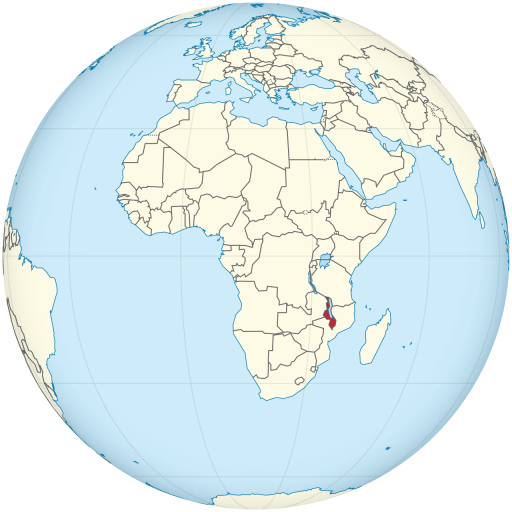
Malawi wants to keep more of its resource wealth within the country
What happened:
Malawi just banned the export of raw minerals. The government wants foreign companies to stop digging up its resources and shipping them out for processing elsewhere. Instead, it's saying: if you want Malawi's minerals, process them here. Create jobs here.
Why this matters:
In Europe and the so-called West, the real economic power isn't just in factories, but also in owning the profitable parts of the chain: design, branding, finance. A lot of the physical processing has actually moved to Asia, but Western economies still call the shots higher up. That's the structural gap. They built their wealth on centuries of extraction, yes, but also on infrastructure, credit, and tech that keep value cycling within their borders. Malawi and its neighbors are trying to break into that loop, but that jump isn't easy. So while Western economies scramble to secure minerals for its green transition, Malawi's trying to profit from the ones it already has. A reminder that "who owns the minerals" and "who profits from them" are still two very different questions.
Tell me more:
President Mutharika framed it as "economic independence." He claims the move could bring in about half a billion US dollars a year if Malawi builds its own refining and manufacturing industry; think turning graphite into battery parts instead of just exporting rock. The ban targets big mining areas like Kasiya (known for rutile, used in paints and plastics) and Kangankunde (rich in rare earths, vital for electronics).
Is Malawi the first African country to do this?
No. It's part of a wider African trend. Countries from Zimbabwe to Namibia have tried similar "resource nationalism" policies, basically saying, "we're tired of being raw material suppliers." The results, though, have been mixed. Zimbabwe's lithium ban led to smuggling. Tanzania's gold export limits backfired when miners went underground, literally and economically. So Malawi's move could either spark a small industrial boom, or choke off investment if companies decide it's too complicated to operate there.
Is everybody on board in Malawi?
Civil society organizations have largely welcomed the announcement but called for strict oversight mechanisms to prevent corruption and exploitation in the sector. An opinion piece by Ephraim Nyondo in the Nyasa Times suggests that there's indeed some skepticism. "Our borders are porous, our enforcement resources are stretched thin, and our institutional frameworks for mining regulation remain fragile. The Ministry of Mining is still fighting basic battles over licensing fraud, unregistered artisanal miners, and outdated geological data. The government has no functioning large-scale refinery, no internationally accredited assay laboratory, and no mineral exchange system capable of verifying and pricing exports. In such an environment, declaring that no minerals should leave the country unprocessed is like locking a door whose hinges have already rusted off." But: "The logic behind Mutharika's decree is not wrong. In fact, it is visionary."
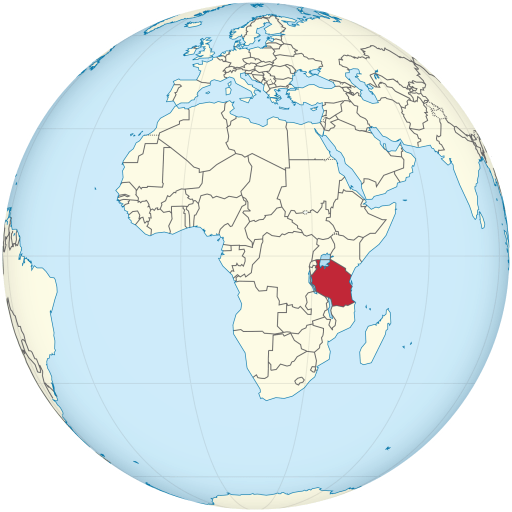
Rabies is 100% preventable, and Tanzania has come up with a new plan to eradicate it
What happened:
Tanzania's National Rabies Control Plan was officially endorsed by the World Organisation for Animal Health (WOAH) last month. It is the first in East Africa to get that nod. The target is bold: stop dog-associated rabies transmission in five years and hit zero human deaths by 2030.
Why this matters:
Rabies kills. In Tanzania, about 1,500 human cases are reported each year, most after dog bites. An endorsement by WOAH means trust, money, and momentum.
Zoom out:
Globally, rabies causes around 59,000 deaths a year, mainly in Africa and Asia. There's a global plan in place, too: the Zero by 30 strategy aims for zero human deaths from dog-mediated rabies by 2030. The World Health Organization launched it, and many others are on board, too; like the FAI, WOAH, and GARC.
Tell me more:
And it should be doable. Rabies is almost entirely preventable via the right tools: dog vaccination (to stop transmission), post-exposure prophylaxis (PEP) for humans after a bite, and just basic public awareness. And, some countries have already made meaningful progress with dog-vaccination campaigns and improved PEP access, which shows this isn't purely theoretical. But: Many low and middle-income countries still face major gaps: under-reporting of cases, not enough dog-vaccination coverage, weak surveillance, and limited PEP access.
How does Tanzania plan to do it?
They've figured out the "high-risk zones" in their country, and government, vets, NGOs, and communities follow a "we are one team" kind of approach. A new public-private setup is running awareness drives, dog vaccinations, and spay-neuter programs, while vaccine stockpiles and a national portal keep things moving fast. After wiping out rinderpest, the country's betting it can do the same with rabies.
What about Asia?
Here, too, rabies is a major public health challenge with an estimated 27,700 deaths annually, specifically in India. Most victims are children under 15, often from underserved communities with limited access to life-saving post-exposure...
Please log in or subscribe for free to continue reading this issue.
We could use your help to make this issue better. Take a look at the requests below and consider contributing:
- Submit a piece of artwork for this issue
- Submit a news, academic or other type of link to offer additional context to this issue
- Suggest a related topic or source for future issues
- Fix a typo, grammatical mistake or inaccuracy
Below you'll find some of the sources used for this issue. Only sources that support "media embedding" are included.
-
Malawi bans raw mineral exports to boost local value addition and capture $500m in annual revenue, joining Africa’s push for resource-based industrialisation. | Business Insider Africa
-
The United Against Rabies collaboration leverages existing tools and expertise in a coordinated way to empower, engage and enable countries to save human lives from this preventable disease. The global strategic plan puts countries at the centre with renewed international support to act.
-
Rabies is a major public health challenge in our South-East Asia Region, which—with an estimated 27,700 deaths annually—bears nearly half of the global burden. Tragically, most victims are children under 15, often from underserved communities with limited access to life-saving post-exposure prophylaxis and preventive care. It is important to remember that rabies is 100% preventable. Every life lost is a stark reminder of the urgency to act.
-
NOIDA, India — Sujata Bisht is proud to be called the “grandma” of over 40 dogs in this city, which sits just southeast of New Delhi
-
The Hindu festival of Kukur Tihar celebrates canine companions in Nepal. But fear of rabies from strays means the kindness is not shown all year round
-
Ethiopian national Hadush Kebatu sparked nationwide protests after sexually assaulting a 14-year-old girl.
-
The U.S. military is sending an aircraft carrier to the waters off South America in the latest escalation of military firepower to a region.
-
The Trump administration has imposed sanctions on Colombian President Gustavo Petro, his family, and a government member over drug trade allegations.
-
The reopening comes as the Sudanese military continues to battle the Rapid Support Forces (RSF) in a months-long fight to stabilize a country already ravaged by years of political turmoil and conflict since the fall of former leader Omar al-Bashir in 2019.
-
A militant Kurdish group has announced its withdrawal from Turkey to Iraq as part of a peace effort with Turkey.
-
Timor-Leste officially submitted its instruments of accession to the ASEAN Charter and the Southeast Asia Nuclear Weapon-Free Zone (SEANWFZ) on Saturday, ...
-
Africa’s richest man, Aliko Dangote, according to the Bloomberg billionaire index, has today hit the $30 billion milestone, making him the first African to do so. | Business Insider Africa
-
The cannabis industry in Zimbabwe and South Africa is about to become a huge earner for corporations but small-scale farmers will lose out.
-
Waiting is not an option in the first 1000 days: How a shared approach in Cape Town helps high-risk babies • SpotlightSouth Africa’s health department is overhauling its framework for disability services. It prompts an important question: When it comes to Cerebral Palsy - a wide-ranging motor disorder with possible comorbidities - what could a standardised package of baby care look like, especially within an overburdened public health system? Spotlight explores a collaborative approach in Cape Town aimed at optimising development during the critical first 1 000 days of life.
-
The Niger State government has approved comprehensive free medical care for all the surviving victims of the Essa tanker explosion.
-
Exactly 70 years ago, African and Asian states gathered to imagine a world beyond empire. Their dream of solidarity still haunts global politics.
-
걸그룹 '르세라핌'이 산불 피해 복구를 위해 선행을 펼쳤다. 27일 희망브리지 전국재해구호협회에 따르면, 르세라핌은 경북·경남·울산 등 산불 피해 복구를 위해 성금 5000만원을 기부했다.
-
It would be bad enough if it was April Fool’s Day, but the Gibraltar International Bank (made a massive cultural mistake when wishing residents Happy Diwali
Each week, What Happened Last Week curates news and perspectives from Asia, Africa, and the Americas. The newsletter is written by Sham Jaff and focuses on stories that rarely receive sustained attention in Western media.
Read the free edition every week. VIP subscribers receive additional stories, recommendations on what to watch, read and listen, and more.