

Some political processes (like the upcoming election in Syria or the referendum in Guinea) may lock in problems instead of solving them. Others, like the new High Seas Treaty, are really, really good. You're probably asking yourself, "high seas, what's that?". High seas are essentially parts of the ocean that nationalism has not reached, and that effectively do not belong to anyone. Who takes care of them? So far, we didn't have any mechanism set up for this question. Now, that four more countries last week ratified the treaty, it can finally come into effect and two-thirds of the ocean will now finally have rules for conservation (I love when processes process; and, how did we not have this already?!). Plus, Kenya and Uganda are trying out new ways to test for cancer, because did you know that the same type of cancer has a 90% survival rate in rich countries and a 30% one in East Africa? New tech that can be run in HIV labs allows for this. Proof that tech can be good too, not just dystopian.
Plus, Japan is so hyped for an anime movie and its soundtrack, I suggest buying art straight from refugee artists in Kenya, what Cleopatra and the Titanic have in common, and why Alexandra should be on your 2026 list. Oh, if your name is Isis, the DMV in California has a message for you.
We now have an international treaty to help protect the parts of the ocean that belongs to nobody
What happened:
Last week, four more countries officially ratified the High Seas Treaty at the UN -- Sri Lanka, St. Vincent and the Grenadines, Sierra Leone, and Morocco. Their signatures pushed the treaty over the required 60 ratifications, which means it will now come into effect and become a real international law on January 17, 2026.
Why this matters:
Negotiations for this treaty took nearly 20 years. Now there are finally agreed rules for protecting the parts of the ocean no nation controls. Indigenous peoples have been saying this all along.
Tell me more:
The treaty has a long officially name, Agreement under the United Nations Convention on the Law of the Sea on the Conservation and Sustainable Use of Marine Biological Diversity of Areas Beyond National Jurisdiction (or BBNJ Agreement, or short, the BBNJ Agreement. Rebecca Hubbard, Director of the High Seas Alliance, called the ratification a "historic moment," saying it shows what global cooperation can achieve. She framed the treaty as proof that multilateralism works (are you reading this, Trump?), and as a turning point where pledges to protect the ocean (which makes up over 70% of the planet) begin to translate into real action.
BTW:
Beyond the 60 countries that have already ratified the treaty, another 142 countries plus the EU have put their names on it as a sign they plan to ratify. Signing shows political support, but ratification is the step that actually makes it binding.
What is the treaty about?
The High Seas Treaty is the first binding global deal to protect marine life in international waters (the parts of the ocean that don't belong to any country; they cover two-thirds of the world's oceans). Until now, there wasn't a strong legal system to protect marine life and biodiversity there. Countries could fish, mine, or explore without much accountability. Now, countries that have ratified the treaty, are legally obliged to follow its rules.
Essentially, the treaty creates protected zones, forces environmental checks (basically, to get everyone asking "will this hurt the environment or not?" before taking from the ocean) before projects, and ensures developing countries get fair access to ocean science and resources (right now, rich countries have more resources to exploit the ocean, for example, through advanced deep-sea tech). The treaty now includes mechanisms to share knowledge, technology, and benefits, like discoveries of new marine genetic resources that could be used for medicine or industry.
Zoom out:
Did you know the Paris Climate Agreement isn't the only big deal out there? There's a biodiversity version too -- the Kunming-Montreal Global Biodiversity Framework -- and this treaty, if countries actually follow through, is a huge boost to it. The goal is "30×30": protect 30% of land and ocean by 2030. Without this treaty, that goal is basically impossible.
Wait, what have Indigenous people been saying all along?
I'm glad you asked. Indigenous communities have long argued that oceans, rivers, and ecosystems aren't something you can "own" or divide up. Oceans, they say, are living systems that need to be cared for collectively. That idea is baked into many Indigenous worldviews, where humans are seen as part of nature, not separate from it. Pacific Indigenous leaders often stress that the ocean is a shared ancestor and must be stewarded, not exploited. A phrase you see often is "the ocean is who we are, not what we own." So, for a different take on this news story than "yay omg", I invite you to read about how Indigenous knowledge is so much better for ocean "management".
Kenya and Uganda are using new tech to improve cancer diagnosis
What happened:
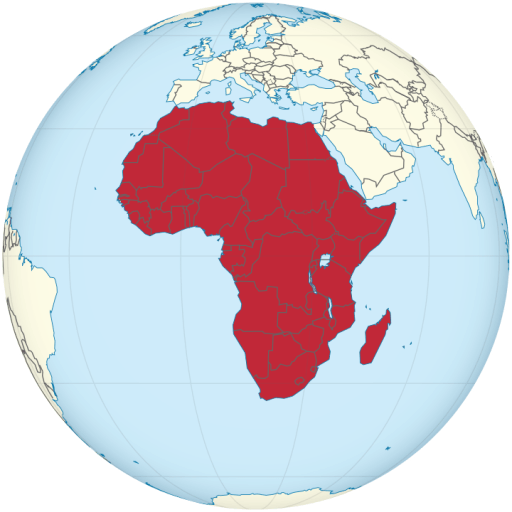
In Kenya and Uganda, pilot projects are testing new ways to diagnose cancers, especially blood cancers like leukemia and lymphomas, reports The East African.
Why this matters:
We talk a lot about Evil Tech, but here's an example of Good Tech. It doesn't get much funding (like AI), but if it did, it would save a lot of lives. And the bigger point: health gaps aren't inevitable. The difference often...
Please log in or subscribe for free to continue reading this issue.
We could use your help to make this issue better. Take a look at the requests below and consider contributing:
- Submit a piece of artwork for this issue
- Submit a news, academic or other type of link to offer additional context to this issue
- Suggest a related topic or source for future issues
- Fix a typo, grammatical mistake or inaccuracy
Below you'll find some of the sources used for this issue. Only sources that support "media embedding" are included.
-
Indigenous and local communities hold immense knowledge about the ocean. Yet they're often overlooked in deciding how it's managed.
-
Medics say 76 of Saturday’s victims were in Gaza City, where Israel is pressing on with an air and ground assault.
-
The Rapid Support Forces rebel group struck a mosque at a displaced persons camp in Darfur. The UN has warned that civilian deaths are increasing as the civil war drags on.
-
Mummies are most often associated with Egypt, where the oldest ones are about 4,500 years old. But researchers say they have found mummies that are much older, on the other side of the world.
-
Five North Americans were arrested after the raid on a farm in the east of the country, officers say.
-
Syria’s transitional authorities have announced indirect parliamentary elections to be held later this month (most likely between 15-20 September) to elect 140 of the 210 members of the People’s As…
-
Three students stood trial for a satirical image intended to criticize the government's handling of the devastating earthquakes.
-
Mabel Matiz, an openly queer singer, could see their latest song banned from music streaming platforms.
-
Chainsaw Man - The Movie: Reze Arc: Directed by Tatsuya Yoshihara. With Kikunosuke Toya, Shiori Izawa, Tomori Kusunoki, Shôgo Sakata. Denji encounters a new romantic interest, Reze, who works at a coffee café.
Each week, What Happened Last Week curates news and perspectives from Asia, Africa, and the Americas. The newsletter is written by Sham Jaff and focuses on stories that rarely receive sustained attention in Western media.
Read the free edition every week. VIP subscribers receive additional stories, recommendations on what to watch, read and listen, and more.