

Last week, Giorgio Armani died. RIP. Also, I think this news means a lot to Kurdish people (I'm allowed to make this joke). Other than that, I'm reading Karen Hao's "Empire of AI", and it feels like I'm studying for an undergraduate degree (no shade).
This issue feels like a breather. I take you to the Democratic Republic of Congo, Burundi, Sierra Leone, and Uganda, where mpox cases are declining so much that the WHO has lifted its international health emergency. Then to Argentina, where Congress just reminded President Milei that institutions still have teeth.
Elsewhere: why Paris's new "Peshmerga Alley" is little more than symbolism, the new leaders of Samoa, Guyana, and Thailand, the first African crop grown in space, and the politics behind the Vatican's new "millennial saint."
Mpox is no longer an international health emergency
Refresher:
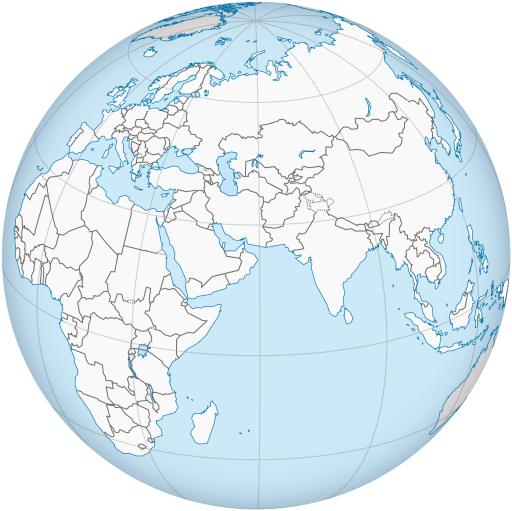
Remember mpox? Yes, the viral infection that felt like flu but wasn't really, and gave you pus-filled blisters. Usually nothing to worry about when you catch it, but mpox can also be more dangerous, for example for children and people with weak immune systems, and even more dangerous when you live somewhere, where health systems are weaker and access to vaccines and antivirals is limited. In August 2024, the World Health Organization (WHO) declared that mpox is an international health emergency (this is the highest level of a WHO alert). A new form had started spreading from the Democratic Republic of Congo (DRC) to neighboring countries back then.
What happened:
Last Friday, WHO director-general Tedros Adhanom Ghebreyesus said that that's not the case any longer. Cases are falling in Africa, which has been hit hardest. Scientists also know more now about how it spreads. But the WHO says it's not over, just less urgent.
Why this matters:
Likely thousands have died from mpox, but a specific death toll is not yet known. Most of these deaths have been in Africa, while the disease isn't all too dangerous for people in Europe and North America.
Tell me more:
Since January 2025, 34,386 cases and 138 deaths have been reported worldwide (likely undercounted). About 80% of those are in just four African countries: Democratic Republic of Congo, Uganda, Sierra Leone, and Burundi. However, experts now report that there are fewer and fewer infections from the dangerous disease in these said "hot spots". Yes, there are some mpox cases outside the continent, but they have been mostly travel-related and relatively contained. (In Europe, the risk is currently considered low.)
Why are case numbers trending down?
When WHO first declared the emergency in 2024, there were still big unknowns. We didn't know how exactly the virus spread in communities, which groups were most vulnerable, and what led to large outbreaks. Since then, data has made clear that close physical contact is the main driver, and that certain living conditions (crowded housing, poor access to care) can make everything worse. Also, the very first Mpox-specific vaccine was approved in 2024. Some countries now have some supplies of vaccines and antiviral drugs, but it is quite limited. Plus, the catch is distribution. Like always, most doses are in richer countries, while the hardest-hit African states do not have nearly enough.
How many variants are circulating now?
Three. Clade Ia, clade Ib (a newer strain still dominant in Africa), and clade IIb (which was behind the 2022--2023 outbreaks in Europe and North America). Each variant has slightly different patterns of spread and severity.
What now?
Mpox is still a public health concern across the world, but the WHO's like, 'we've advised our Emergency Committee, they meet every three months to evaluate, and they said, we're good to downgrade it for now.' So, no to emergency, yes to keeping the urgency, Professor Dimie Ogoina from said committee told Reuters.
Argentina's Congress just did something it hasn't done in more than 20 years: it overturned a presidential veto
What happened:
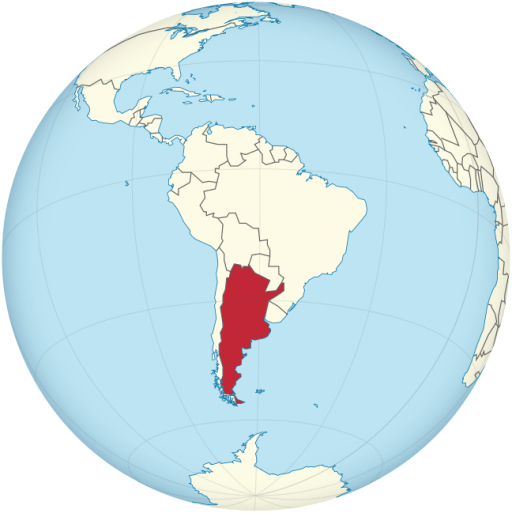
Last week was a bad week for President Javier Milei, and a very good one for people with disabilities in Argentina.
Why this matters:
Argentina's institutions work.
Tell me more:
In July, Argentina's lawmakers passed the Emergency Disability Law. Basically, they were saying, 'our country's disability policy is so bad, we must declare an emergency in this sector until 2027.' Concretely, this means that the government must now treat this area as a top priority. The law guaranteed pensions for people with disabilities, give out payments that are inflation-checked, and removed a penalty...
Please log in or subscribe for free to continue reading this issue.
We could use your help to make this issue better. Take a look at the requests below and consider contributing:
- Submit a piece of artwork for this issue
- Submit a news, academic or other type of link to offer additional context to this issue
- Suggest a related topic or source for future issues
- Fix a typo, grammatical mistake or inaccuracy
Below you'll find some of the sources used for this issue. Only sources that support "media embedding" are included.
-
The World Health Organization (WHO) has announced the MVA-BN vaccine as the first vaccine against mpox to be added to its prequalification list. The prequalification approval is expected to facilitate timely and increased access to this vital product in communities with urgent need, to reduce transmission and help contain the outbreak. WHO’s assessment for prequalification is based on information submitted by the manufacturer, Bavarian Nordic A/S, and review by the European Medicines Agency, the regulatory agency of record for this vaccine.
-
La negativa del presidente argentino vulneraría el acceso a servicios esenciales e inclusión social para personas con discapacidad física, mental, intelectual y sensorial
-
The death toll from Sunday’s landslide disaster in the Tarsin area of Jebel Marra, the...
-
A Taliban government spokesman says the death toll from a major earthquake in Afghanistan has risen to 2,205.
-
People could face up to five years in prison for breaking the new measure once signed into law.
-
From why the decision was taken to its impact on creators and the digital economy, here’s what you need to know.
-
Samoa's Electoral Commissioner Toleafoa Tuiaefelolo Alexander Stanley has declared the official results of the snap general election.
-
President Irfaan Ali was sworn in this morning at State House for a second term of office. The oath of office was administered at around 10.22 am by
-
Pakistan PM Shehbaz Sharif strengthens strategic partnership with China, focusing on CPEC 2.0 and economic collaboration.
-
An Italian teenager who liked playing video games and making funny films of his pets became the Catholic Church’s first “millennial” saint on Sunday.
Each week, What Happened Last Week curates news and perspectives from Asia, Africa, and the Americas. The newsletter is written by Sham Jaff and focuses on stories that rarely receive sustained attention in Western media.
Read the free edition every week. VIP subscribers receive additional stories, recommendations on what to watch, read and listen, and more.