

A 17-minute phone call might be the reason Thailand's prime minister resigns, Brazil says it is doubling down on tech accountability, but that may have negative effects on free speech, and Kenya's youth is protesting against the IMF and President Ruto again. Plus, a mysterious and very famous Moroccan singer, a Kurdish superstar, an Algerian answer to Albert Camus "The Stranger", if Studio Ghibli was a person, this (scroll down) would be her, a new newsletter dedicated only to good news that's in beta mode and for you to sign up for free (the first issue will be out on July 1!), and so much more.
A 17-minute phone call might be the reason Thailand's prime minister resigns
What happened last week:
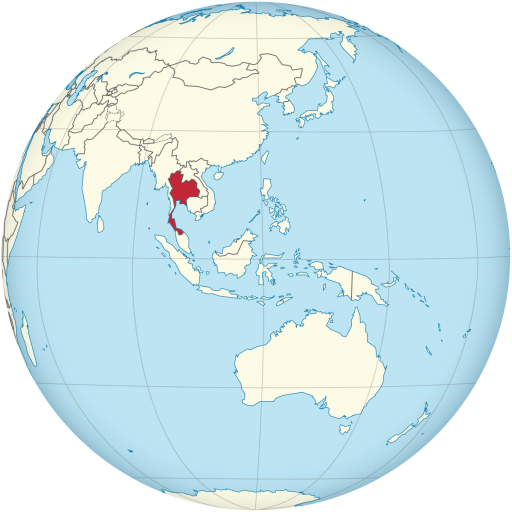
About 17,000 people protested in Bangkok, calling on Prime Minister Paetongtarn Shinawatra to step down. Why? A phone call between her and former Cambodian leader Hun Sen got leaked, and people were not happy about what she said.
Why this matters:
This call kicked off a full-blown political crisis: the biggest protest since her party took power in 2023, one of her top allies quit, she's facing an ethics investigation, a no-confidence vote and now, there's also serious talk of yet another military coup.
Tell me more:
This all started after a Cambodian soldier died during a clash at the Thai-Cambodian border on May 28, making things very tense between the two countries. Thailand's PM, Paetongtarn Shinawatra, had a private phone call with Cambodia's former PM Hun Sen (he's basically still in charge), in which she tried to smooth things over. Which, sort of, worked, but then the call got leaked, possibly by Hun Sen himself or one of the 80 officials he shared the recording with.
What did she say in that call?
In the leaked call, Paetongtarn was super polite, maybe too polite. She called Hun Sen "uncle" and said the Thai military commander at the border was her "opponent." Many Thais thought she sounded weak and like she was taking Cambodia's side. She later apologized for the comments, but defended the call as a "negotiation technique." She later apologized but claimed it was just "negotiation strategy." That didn't land well, and protests broke out. So far, they've stayed peaceful.
Background:
Cambodia and Thailand have had a rocky relationship for over 100 years, mostly because they both want control over a piece of land where an old and important temple, Preah Vihear, is located. In 1962, the International Court of Justice said the temple belongs to Cambodia, which still bothers Thailand. In 2013, the court repeated its decision. Since then, both countries have restricted each other's trade, goods, and even pop culture. Despite all that, the powerful families running both countries, the Shinawatras in Thailand and the Huns in Cambodia, have stayed close. In fact, Paetongtarn's dad and Hun Sen call each other "godbrothers."
What do the protesters want?
Simple: "Ung Ing, get out." (That's Paetongtarn's nickname.) Protesters say she's unfit, and that Hun Sen (and her dad) are pulling the strings. She promised not to speak with Hun Sen again, but many don't buy it.
How's the fallout?
Bad. Her main coalition partner, the Bhumjaithai Party, ditched her. Her government now has only 255 out of 500 seats (a razor-thin majority). She's under investigation for an ethics breach, and the Constitutional Court could suspend her this week.
But is this really about the call?
Yes and no. The leaked call is the spark, but the real issue is the Shinawatras. Many want to end the family's influence on Thai politics. Paetongtarn is the daughter of exiled Prime Minister Thaksin and niece of ex-Prime Minister Yingluck (both ousted). She's been in office 10 months and is Thailand's second female prime minister (after her aunt). The protest movement is backed by conservative, royalist groups with a history of toppling Shinawatra governments (2006, 2014, you get the idea).
Is a coup coming?
Maybe. And if it happens, no one would be surprised. Thailand's had 13 coups (and 22 attempts) since the 1930s. The military's been rebuilding power since 2023. They see Prime Minister Paetongtarn as weak, too tied to her dad, and too soft on Cambodia. Nationalist protest groups (the same ones active before past coups) are back in full force, questioning her patriotism. And here's the pattern: both the 2006 and 2014 coups followed this exact formula. Shinawatra in power, Cambodia dispute, protests, then military "rescue." Now the army's hinting that civilian leadership can't handle the crisis. And the current king, who's more politically active than his father, might back a coup if it helps crush the Shinawatra dynasty for good. Bottom line: the mood, the players, and the playbook all look very familiar.
What's next?
On Tuesday, the Constitutional Court will decide whether to go after Paetongtarn over that leaked call. If they do, she actually could be suspended. (And for the record: Thailand's top court isn't exactly neutral. Her party's last PM was removed, too. The court often helps the royalists push out their opponents.)
Meanwhile, her support's in free fall (only 9.2% back her now), and a recent poll shows the opposition leader, Natthaphong Ruengpanyawut, is way ahead as Thailand's preferred PM. The writing's on the wall. Tuesday could be make-or-break.
Brazil says it is doubling down on tech accountability, but that may have negative effects on free speech
What happened:
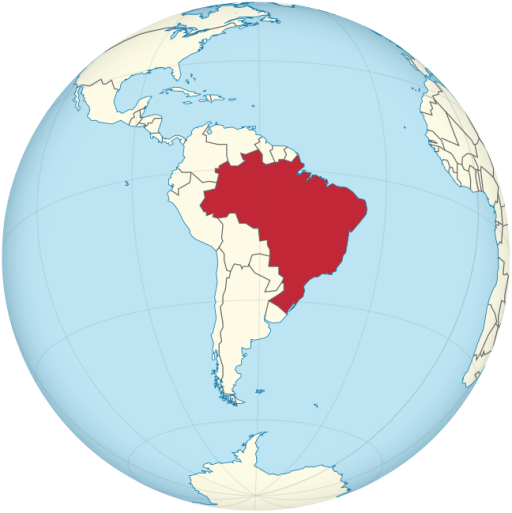
On June 27, 2025, Brazil's Supreme Court voted 8-3 on a new law that makes platforms like Google, Meta (Facebook/Instagram/Whatsapp), TikTok, and X legally responsible for what their users post.
Why this matters:
Brazil is a huge market for social media. Millions of people use it every day. There are 144 million YouTube users, 140 million on Instagram, 112 million on Facebook, and over 145 million use WhatsApp (the country's favorite app). With the new court ruling, Brazil is now set to have some of the toughest rules in the world for how social media platforms are allowed to operate.
Tell me more:
Key rules include:
- Platforms like Instagram, TikTok, and YouTube now have to watch for and remove illegal content (like hate speech, fake videos, racism, or anything that threatens democracy) after users report it. Before, they only had to act if a judge told them to. Now, a report from a user is enough. The court didn't clearly say what counts as "illegal content", so these decisions will be made case by case.
- If platforms don't take down harmful posts fast enough, people can sue them directly.
- The only way for platforms to avoid getting into legal trouble is to prove they removed the content quickly after it was reported.
Is it now in effect?
Not yet, but it will be soon. The decision still has to be officially published in the court's records. That should happen in the next few weeks. Once it's published, the new rules kick in, and platforms will have to follow them. If they don't, they could be sued or face big fines.
What did the opposing judges say?
One of the judges who disagreed, Justice Nunes Marques, said: Look, if someone posts something illegal, that's their responsibility, not the platform's. And it's not our job as judges to make new rules, that's Congress's job. But most of the other judges felt the old law wasn't doing enough to protect people's rights or democracy. So they said stepping in was necessary.
What does it mean?
As a famous journalist saying goes, "it depends."
For Big Tech, this means 'ok, sh*t. We're now responsible for what our users post. Up the moderation.' "The court's decision also introduced the concept of systemic failure," says Patricia Peck Pinheiro, a specialist in digital law and member of the National Data Protection Commission of Brazil's National Council of Justice. Meaning, platforms must now create their own rules for what's allowed, be open about how they enforce those rules, and follow standardized practices. The tech companies say this turns them into internet police, and that's dangerous because it could hurt free speech, privacy, and many (small) businesses in Brazil, which rely on their apps.
For users:
You now have the right to sue a platform directly in Brazil if they leave harmful or illegal content up after you report it.
For free speech, this potentially means nothing good. Perhaps platforms then over-remove content to just be on the safe side and avoid liability. For example, they could be taking down political posts, reports of corruption, or human rights content that might be controversial, even if it's not illegal. That's the "gray area" people like Ronaldo Lemos are worried about. Lemos is the co-founder and chief science officer at the Institute for Technology and Society of Rio de Janeiro.
For the relationship between Brazil and the U.S., this is potentially a big diplomatic storm. U.S. companies dominate Brazil's tech space, and if Brazil punishes platforms (most are U.S.-based), things might get ugly. Last month, the Trump administration said the U.S. would punish foreign leaders who go after U.S. tech firms.
- Btw, it's happened before, too. Back in February, Rumble (online video platform popular among conservative and far-right users) and Trump Media...
Please log in or subscribe for free to continue reading this issue.
We could use your help to make this issue better. Take a look at the requests below and consider contributing:
- Submit a piece of artwork for this issue
- Submit a news, academic or other type of link to offer additional context to this issue
- Suggest a related topic or source for future issues
- Fix a typo, grammatical mistake or inaccuracy
Below you'll find some of the sources used for this issue. Only sources that support "media embedding" are included.
-
Cambodia's ruling party has won the Senate election, paving the way for strongman Hun Sen to act as its president. The victory allows the Hun family dynasty to capture all of Cambodia's political institutions.
-
PM plays down criticism of senior Thai army commander, accuses Cambodian strongman of breach of trust
-
Cambodia’s government says it plans to seek a ruling from the U.N.’s International Court of Justice over violent border disputes with Thailand.
-
What is the International Court of Justice and why is it weighing in on humanitarian aid in Gaza? | AP NewsThe top United Nations court on Monday will begin hearing from 40 countries on what Israel must do to provide desperately needed humanitarian assistance to Palestinians in Gaza and the occupied West Bank.
-
Demands to resign follow a leaked phone call the prime minister had with Cambodia's former leader about a border dispute.
-
Thailand has been home to more military coup d'états in modern history than any other country.
-
Nida Poll shows PM Paetongtarn’s popularity plunging to 9.2%, with Pheu Thai trailing behind opposition parties in latest voter survey.
-
A quarterly opinion survey by the National Institute of Development Administration has found most respondents considered the opposition leader the most suitable choice for the position of prime minister and his party as their favourite.
-
Brazil’s Supreme Court agreed on Thursday on details of a decision to hold social media companies liable for what their users post, clearing the way for it go into effect within weeks.
-
New Brazil ruling makes Meta, X, WhatsApp and other platforms accountable for content and user safety.
-
President-elect Donald J. Trump has a range of new business ventures that could expose him to even greater potential conflicts of interest than during his first term.
-
Laís Martins explores the Rumble and Trump Media Group's lawsuit against Brazilian Justice Alexandre De Moraes.
-
India on Thursday rolled out new regulations for social media companies and digital streaming websites to make them more accountable for the online content
-
The world is scrambling to understand Kenya’s historic protests – this is what too many are missing | Nanjala Nyabola | The GuardianA finance bill was the trigger, but the backdrop is government debt and blinkered interventions from western institutions, says Kenyan political analyst Nanjala Nyabola
-
Kenyan President William Ruto's new youth employment plan promises jobs to 800,000 young Kenyans. But amid economic strain and past unfulfilled pledges, many remain unconvinced.
-
What began as a peaceful commemoration of youths killed during the June 2024 protests turned deadly yesterday, leaving several dead and hundreds injured.
-
DW captured the incident on camera during protests in Nairobi following the death of blogger Albert Ojwang in police custody.
-
A gold mine collapse in eastern Sudan has killed 11 miners. The state-run Sudanese Mineral Resources Limited Company in charge of the project said the collapse occurred over the weekend at the Kersh al-Feel mine in eastern Nile River province.
-
Mali’s military government has passed a bill extending junta leader Gen. Assimi Goita’s reign for five more years, starting in 2025.
-
Fotos: SPDA y Cincia La plataforma RAMI también registró 27 957 alertas por pérdida de bosques vinculadas a la extracción ilícita de oro, afectando zonas de amortiguamiento, áreas naturales protegidas y comunidades indígenas que dependen directamente de
-
The death toll in a landslide in northwest Colombia has risen to 22 with eight still missing. Crews on Saturday were still searching for victims in Medellín, Colombia’s second-largest city, and the nearby city of Bello, following the landslide early Tuesday.
-
More than 30,000 Afghan migrants returned from Iran on Wednesday, June 25, as deportations from the neighboring country continue to accelerate.
-
The U.N. refugee agency reports that over 1.2 million Afghans have been forced to return from Iran and Pakistan this year.
-
'It's a Killing Field': IDF Soldiers Ordered to Shoot Deliberately at Unarmed Gazans Waiting for Humanitarian Aid - Israel NewsIDF Officers and Soldiers Told Haaretz They Were Ordered to Fire at Unarmed Crowds Near Food Distribution Sites in Gaza, Even When No Threat Was Present. Hundreds of Palestinians Have Been Killed, Prompting the Military Prosecution to Call for a Review Into Possible War Crimes Netanyahu, Katz Reject Claims, Call Them 'Blood Libels'
-
Israeli media reports that Israeli soldiers were ordered to shoot at Palestinian civilians trying to get aid in Gaza. Prime Minister Benjamin Netanyahu slammed the report, calling it "blood libel."
-
Japan executed on Friday a man convicted of the 2017 serial murders of nine people near Tokyo, the government said, marking the country's first hanging since July 2022.
-
Three years since Thailand became the first country in Asia to decriminalize cannabis, the government this week imposed new rules designed to rein in the country’s “green rush.”
-
Colombia suspended the extradition to the U.S. of guerrilla fighters who are participating in President Gustavo Petro’s Total Peace talks.
-
Delhi prepares for its first-ever artificial rain to combat air pollution: Here's how it will work | Today NewsDelhi plans to implement its first-ever artificial rain between July 4 and 11, aiming to combat air pollution. The initiative, led by IIT Kanpur, involves cloud seeding using modified aircraft. The flight plan for cloud seeding has been submitted to the IMD.
-
The deal has been hailed by President Trump as "a great day" but there are potential pitfalls.
-
The Tanzania-based African Court of Human Rights says it is competent to hear a case brought by the Democratic Republic of the Congo against Rwanda. The ruling opens the door to a full hearing into Kinsha’s claims of human rights abuses linked to the long-running conflict in eastern Congo.
-
The tapir, the biggest land mammal in South America, has been spotted in Brazil's Costa Verde region 100 years after its last sighting.
-
'Historic': Saudi stages first swimwear fashion show - AL-Monitor: The Middle Eastʼs leading independent news source since 2012Saudi Arabia held its first fashion show featuring swimsuit models on Friday, an envelope-pushing step in a country where less than a decade ago women were required to wear body-covering abaya robes. The poolside show featuring the work of Moroccan designer Yasmina Qanzal included mostly one-piece suits in shades of red, beige and blue. Most models had exposed shoulders and some had their midriffs partially visible. "It's true that this country is very conservative but we tried to show elegant swimsuits which represent the Arab world," Qanzal told AFP.
-
US officials have denied claims that a Norwegian man was sent home because of a meme - but the case has raised international questions.
Each week, What Happened Last Week curates news and perspectives from Asia, Africa, and the Americas. The newsletter is written by Sham Jaff and focuses on stories that rarely receive sustained attention in Western media.
Read the free edition every week. VIP subscribers receive additional stories, recommendations on what to watch, read and listen, and more.