

Every June 12, "we" mark the World Day Against Child Labor, and every year, the number of children affected worldwide remains high as ever. Yes, we dropped to 138 million (from 160 in 2021), but 138 million is still a large f*cking number. Plus, Togo's president is in trouble (again). He's been in office since 2005 (!), and the country's youth are fed up. I have a bit of an overview for you on the whole protest situation there. This issue is all about African art (from music to film to photography), a documentary festival in Morocco, an African art festival in Switzerland, Togolese rap, and so much more.
There are 138 million kids worldwide who work in jobs that violate their basic rights, says new UNICEF/ILO report
What happened:
According to the latest ILO and UNICEF data, 138 million children work in jobs and ways that harm their health, keep them out of school, or violate their basic rights. That's 1 in 10 children worldwide.
Why this matters:
Behind every number is a kid who doesn't have a safe, healthy childhood.
Tell me more:
The good news first: the number is down from 160 million in 2021 to 138 million in 2025. That's a step in the right direction. ILO Director-General Gilbert F. Houngbo called the report "hopeful" and said it proves that progress is possible, but he warned against becoming complacent: "We still have a long way to go before we achieve our goal of eliminating child labor."
Is all work child labor?
No. Not all work done by children is considered child labor. Some work is fine, if it's safe, light, and doesn't interfere with education or well-being. For example, helping out at a family shop for a few hours after school, or doing age-appropriate chores at home. These are often referred to as "child work". Child labor is more than just any job done by a child. It usually meets at least one of these criteria:
- It is harmful to their health or development
- It interferes with their education
- It violates national or international labor laws
- It involves children doing dangerous or exploitative work
- It is too many hours for their age or physical ability
Where is this happening the most?
In agriculture. Most of the world's child labor is happening in the fields, not factories. In 2024, 68% of children aged 5 to 11 who are in child labor were working in agriculture, mostly on family farms. Even among older teens (15--17), agriculture is still the biggest employer, though more start shifting into services like domestic work, small-scale trade, or informal jobs.
In African countries. Two-thirds of all child laborers are in Africa. For example, children as young as 6 are working in illegal lithium mines in Nigeria, often without safety gear, schooling, or protection. In Côte D'Ivoire,Ghana, and Indonesia, there are still millions of children working in cocoa farms. (In 2021, former child laborers sued Nestlé, Hershey's, Mars, and others, accusing them of knowingly profiting from child labor. Some companies denied wrongdoing but pledged reforms. In June 2022, a U.S. judge dismissed the case.)
But it also happens in the U.S. and Europe.
-
In the U.S., child labor violations are rising. Since the pandemic, violations of U.S. child labor laws have jumped 31%, according to the Department of Labor. While the Biden administration tried to crack down on violations, the Trump administration had previously pushed to weaken some protections, like here in Florida. In general, between 2021 and 2024, 31 U.S. states introduced bills to weaken child labor laws, according to the Economic Policy Institute.
-
In the EU, there are rules banning child labor inside its borders (kids under 15 generally can't be employed, and teens aged 15--18 are protected with strict safety and health regulations). But the bigger shift is happening around global supply chains. A new law, the Corporate Sustainability Due Diligence Directive (came into force in July 2024) requires big companies in the EU to check their global supply chains for human rights abuses, including child labor. If they find problems, they're supposed to fix them or face legal consequences. But here's the catch: The EU Commission has also introduced a very business-friendly "Omnibus Proposal" (to cut red tape for businesses), and critics say it risks gutting the very systems meant to protect workers, children, and the environment in global supply chains.
Togo's president has been in power since 2005. The country's youth are protesting again
What happened:
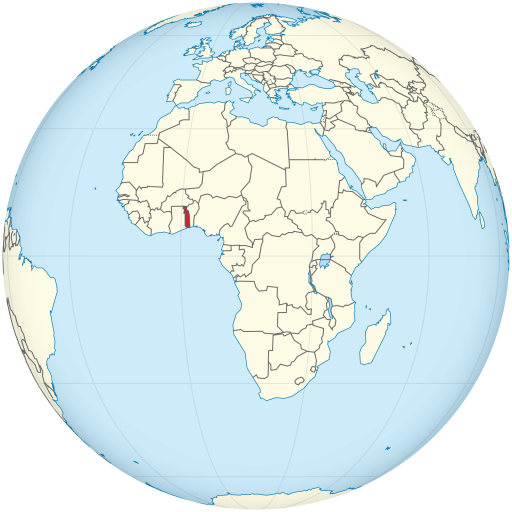
In Togo, the arrest of rapper Aamron has triggered protests across the capital, Lomé. Aamron, who's known for his dislike for President Faure Gnassingbé, was taken from his home by police on May 26. Witnesses say officers stormed his house at night, destroyed property, and reportedly assaulted his mother. A few days later, on June 5 and 6, protests broke out. Police fired tear gas, and at least 56 people were detained (some have...
Please log in or subscribe for free to continue reading this issue.
We could use your help to make this issue better. Take a look at the requests below and consider contributing:
- Submit a piece of artwork for this issue
- Submit a news, academic or other type of link to offer additional context to this issue
- Suggest a related topic or source for future issues
- Fix a typo, grammatical mistake or inaccuracy
Below you'll find some of the sources used for this issue. Only sources that support "media embedding" are included.
-
This chart shows the share of children aged 5-17 in child labor in 2024, by economic sector and age (in %).
-
Now that the United States is cracking down on immigration, some low-skill jobs may not be so easy to fill. So the state is debating lifting some child labour laws to involve minors.
-
Willy Bergogné is Europe director and EU representative at Save the Children Child labour thrives in indirect supply chains. The EU must not roll back corporate responsibility where it matters most
-
Facts and statistics about the Age structure of Togo. Updated as of 2020.
-
The arrest of a Togolese rapper for his indignation over the country’s poor governance and social injustice has raised serious concerns about the right to freedom of expression in Togo.
-
The interior and security ministries said the protests set to begin Thursday (Apr. 11) would seriously disturb public order.
-
The U.S. recently imposed visa restrictions on several African countries, including Togo. Togo’s Foreign Minister Robert Dussey addressed the issue
-
Boskalis’ successful coastal protection activities in Togo continue. In the recent past, they have reinforced the coastline of Togo and neighboring Benin over a length of some 40km due to its vulnerability to the effects of coastal erosion as result of sea level rise. they reinforced existing groins, installed new ones and constructed a sand […]
-
Major flooding in several neighborhoods of Congo’s capital Kinshasa has killed at least 19 people and caused severe damage.
-
South Africa's police minister says the death toll in floods in the Eastern Cape province now stands at 86.
-
The U.N migration agency says eight migrants died and 22 others were missing after they were forced off a boat near the Djiboutian coast.
-
'Unequivocal Support for Israel': Argentina's Javier Milei Will Be First non-Jew to Win 'Jewish Nobel' - Jewish WorldAt a Ceremony Scheduled to Take Place in the Knesset on Wednesday, Argentina's President Will Receive the $1 Million Genesis Prize. Never Before Has the Prize Been Awarded to a Figure So Shrouded in Controversy
-
Somalia Labels C6+ ‘Obsolete’ as Opposition Withdraws from Dialogue
-
Fears of possible Israeli strike against Iran and retaliation after IAEA issues strongest rebuke of Iran in 20 years
-
🇧🇫 Une rue des étoiles a été inaugurée à Ouagadougou, le 22 février. Elle honore 140 figures nationales et internationales. Cinéastes, sportifs, musiciens, et leaders politiques, dont Sadio Mané ou encore Didier Drogba y sont immortalisés. On te raconte.
-
Rep. Kim Byung-kee, a three-term lawmaker widely regarded as President Lee Jae-myung’s ally, was elected Friday as the new floor leader of the ruling Democrati
-
En Mauritanie, une décision présidentielle historique redonne dignité et sécurité à 1860 acteurs des médias publics après des années de service précaire.
-
The African Gaze is a comprehensive exploration of postcolonial and contemporary photography and cinema from Africa. Drawing from archival imagery and documents, interviews with the photographers and filmmakers (in some cases family members/close associates if the artist is deceased), and contributions from writers, sc
-
Le gouvernement a pour mission de s’occuper de la politique du pays, d’en organiser la vie. Il vise à concilier développement économique, équité sociale et protection de l’environnement. C’est aussi l’ensemble des politiques publiques qui sont concernées : action internationale, politiques économique et sociale, action dans le domaine de l’éducation ou de la recherche, ou […]
Each week, What Happened Last Week curates news and perspectives from Asia, Africa, and the Americas. The newsletter is written by Sham Jaff and focuses on stories that rarely receive sustained attention in Western media.
Read the free edition every week. VIP subscribers receive additional stories, recommendations on what to watch, read and listen, and more.