

A Cameroonian man took France to court over a visa rejection --- and won. In Sudan, women and girls are being raped in public. Médecins Sans Frontières is calling it what it is: a war crime. A Peruvian farmer's climate lawsuit against German energy giant RWE got thrown out, but the real story is what it said about who pays for the so-called climate crisis. Meanwhile: a Xochimilca hip hop artist is also a climate activist, Arabic calligraphy is back in Cairo's creative scene, a music video from the West Bank goes viral, Somaliland is inching closer to statehood, and the Netherlands is finally returning stolen sculptures to Nigeria. Also: What if African countries didn't need U.S. aid---at all? And, so much more.
Africans are facing some of the highest Schengen visa rejection rates in the world
What happened:
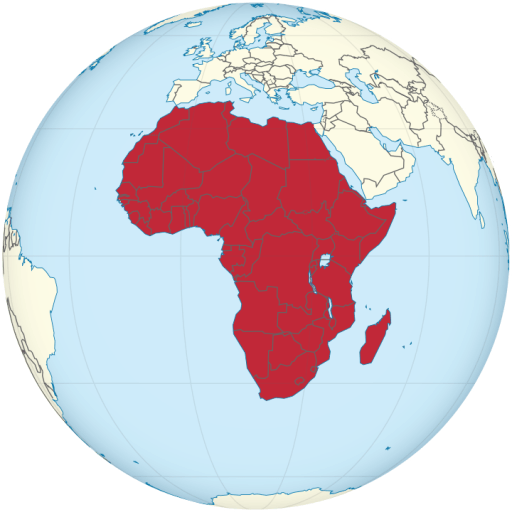
New data from the European Commission shows that in 2024, rejection rates for Schengen visa applications from countries like the Comoros, Guinea-Bissau, Senegal, Nigeria, and Ghana ranged from 45% to nearly 63%. In other words: If you're from certain African countries and want to visit Europe, there's a good chance you'll be told no before you even pack your bags.
Why this matters:
We don't often talk about it this way, but mobility is a form of power. Being able to cross borders, take up jobs abroad, attend a conference, visit family should be accessible to everyone in the world. But in practice, the world runs on passport privilege. In a supposedly globalized world (it's only globalized for goods; capitalism sure loves its kids), mobility has become a two-tier system. One side moves freely. The other side is stuck at embassies, getting ghosted by visa officers.
Tell me more:
To get into most of Europe, you need a Schengen visa. That covers 29 countries, including France, Germany, Spain (basically, all the places people imagine when they think of "Europe"). The process sounds simple: fill out a form, pay €90 (about US$100), attach your documents, wait. But in practice, it's exhausting. Even if you're well-off, have a steady job, and just want to attend a two-day seminar, you might still get rejected with no explanation. This year, over 11.7 million people applied for Schengen short-stay visas. Globally, demand rose by more than 13%. But for African applicants, that just meant more money lost. Analysts estimate Africans lost €60 million (around US$67.5 million) in visa fees in 2024 alone --- just for rejections. As Marta Foresti from the UK-based LAGO Collective put it: "The poorest countries in the world are paying the richest countries not to let them in." And the pattern is clear: the poorer your passport, the higher your chances of being told no.
What are the most affected countries in Africa?
Here's where the rejections hit hardest:
- Comoros -- 62.8% rejection
- Guinea-Bissau -- 47.0%
- Senegal -- 46.8%
- Nigeria -- 45.9%
- Ghana -- 45.5%
- Congo-Brazzaville -- 43.0%
- Mali -- ~43%
- Guinea -- 41.1%
- Burundi -- 40.0%
- Ethiopia -- 36.1%
The global average rejection rate? Just 18%. It's that lopsided.
Why are people being rejected?
European embassies say each case is reviewed fairly. They check if you can afford your trip, have a valid reason to go, and if you're likely to come back. But many applicants say even when they submit everything, like bank statements, employer letters or travel insurance, they still get vague rejections like: "Insufficient proof of return." Critics say the system isn't just bureaucratic --- it's biased. It reflects old hierarchies, colonial patterns, and fears of migration, all rolled into a formal email that ends with "you may not appeal this decision."
Is anyone pushing back?
Not many. Most people just reapply, pay again, and hope for better luck next time. But there was one case that stood out last week: Jean Mboulè, a Cameroonian man born in France, applied for a visa with his South African wife. She got hers. He got rejected. The embassy claimed his documents were fake, and they weren't sure he'd return to South Africa, where he's a permanent resident. Mboulè didn't let it go, sued, and won. The French embassy had to give him a visa and pay him €1,200. At the end, he went to Mauritius instead. Spending his money in France wasn't an option for him anymore (fair, tbh). But again, most people can't afford a legal battle. They just keep trying (and paying) for a system that's already told them no.
Women and girls in Darfur "are not safe anywhere", says new report
What happened:
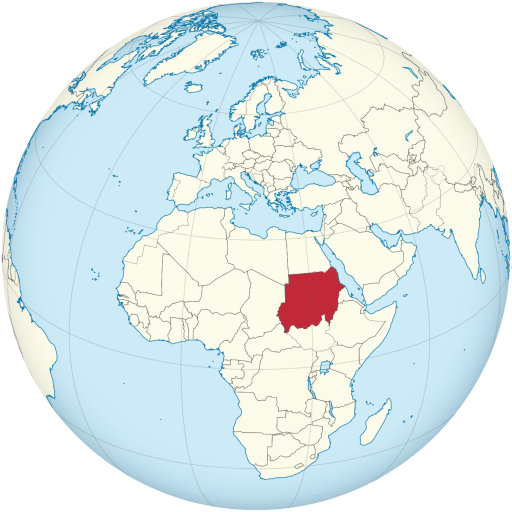
Women and girls in Darfur, a region in western Sudan, live with the near-constant risk of being raped or sexually assaulted, Médecins Sans Frontières (MSF) reported last week.
Why this matters:
Sexual violence is not a natural or inevitable consequence of war. This kind of violence is happening often enough that it could be considered a war crime, a form of torture, and a crime against humanity.
Refresher:
Since April 2023, the Rapid Support Forces (RSF) and other militias have taken control of parts of Darfur. They are fighting against Sudan's army for power in the region. Recently, heavy fighting moved to the city of El Fasher. The RSF also took over Zamzam, a displacement camp where many families live. After that, reports of sexual violence increased.
Tell me more:
"Women and girls do not feel safe anywhere. They are attacked in their own homes, when fleeing violence, getting food, collecting firewood, working in the fields. They tell us they feel trapped," said Claire San Filippo, MSF emergency coordinator, who called on the warring parties to hold their fighters to account. Between January 2024 and March 2025, MSF treated 659 survivors of sexual violence in just the south of Darfur. Here's what they found:
- 86% of survivors said they were raped.
- 94% were women and girls.
- 56% said the attacker was part of the military, police, or a militia.
- 31% were under 18 years old. Some were as young as 5.
- Many were also physically beaten during the attack.
- A third of the attacks happened when women were trying to work in the fields or gather food and water.
These numbers only include the people who came forward. The true number is likely much higher.
What are the women saying?
MSF shared the story of a 27-year-old nurse who said she...
Please log in or subscribe for free to continue reading this issue.
We could use your help to make this issue better. Take a look at the requests below and consider contributing:
- Submit a piece of artwork for this issue
- Submit a news, academic or other type of link to offer additional context to this issue
- Suggest a related topic or source for future issues
- Fix a typo, grammatical mistake or inaccuracy
Below you'll find some of the sources used for this issue. Only sources that support "media embedding" are included.
-
This year alone, the Schengen zone, made up of 29 European countries including France, Germany, and Spain, received more than 11.7 million short-stay visa applications.
-
‘They chanted as they killed people in their homes’: survivors describe attack on Sudan’s Zamzam camp | Global development | The GuardianOn 11 April Rapid Support Forces paramilitaries attacked the country’s largest displacement camp. The extent of the brutality remains unclear, but accounts are now emerging
-
Addressing women's subordination and violence against women and girls in the Horn of Africa. Established in 1995 by women's rights activists.
-
A deadly cholera outbreak in Sudan’s capital, Khartoum, has claimed the lives of at least 70 people over the past two days, according to health officials,
-
The biggest such move in years is condemned by the Palestinian presidency as a "dangerous escalation".
-
The ruling means 530,000 migrants from Cuba, Haiti, Nicaragua and Venezuela are at risk of being deported.
-
The African Development Bank Group has elected Mauritanian economist Sidi Ould Tah as its ninth president.
-
The sackings come months after the bank lost Sh1.5 billion through a web of fraudsters, with insiders at the centre of the theft.
-
South Korea’s central bank has cut its key interest rate and sharply lowered its growth outlook for the country’s economy in 2025.
-
President Tinubu urges ECOWAS unity as Gowon calls for return of nations that left the bloc during ECOWAS at 50 celebrations.
-
Exclusive: Somaliland president says recognition of state ‘on the horizon’ following Trump talks | Global development | The GuardianThe breakaway territory’s independence has never been internationally recognised. Insiders say recent US overtures are encouraging – but the consequences could be inflammatory in the tinderbox region
-
Our Cairo correspondent explores the textured history of calligraphy as a victim of ‘creative destruction’ and why its popularity is now booming.
-
Experts say the movement is a global 'quiet protest' against current job market and burnout.
Each week, What Happened Last Week curates news and perspectives from Asia, Africa, and the Americas. The newsletter is written by Sham Jaff and focuses on stories that rarely receive sustained attention in Western media.
Read the free edition every week. VIP subscribers receive additional stories, recommendations on what to watch, read and listen, and more.