

There are moments when I fall in love with journalism all over again. Maybe during my reporting trip for The Guardian last week, but most importantly, it was a recent BBC Africa Eye investigation that really blew me away. Because of it, an entire company is now in ruins (and hopefully for good), and four million people are (probably) less at risk of overdosing on a combo of opioids so strong they're forbidden everywhere. Another "highlight" of this issue: I'm taking a much closer look at the recent report on capital punishment in Iran (perhaps "lowlight" is a better word here). Plus, I'll introduce you to two new genres for your Spotify Wrapped 2025, Filipino R&B and Bhojpuri pop, will make you want to search the entire internet for some world-class Malian cinema, celebrate a few scientific discoveries in Brazil and Mexico and maybe catch some mosquitoes for cash in the Philippines together (or not), and so much more.
West Africa's opioid crisis is linked to an Indian company -- and now they're being taken down
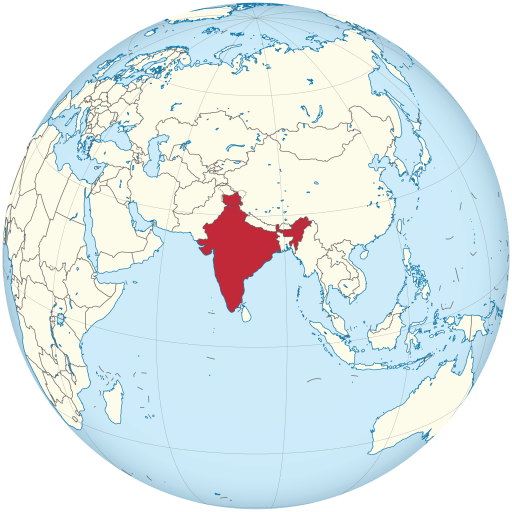
What happened:
(I just love stories like this because this is what made me want to become a journalist in the first place) A BBC Africa Eye investigation has found out that an India-based company is linked to the opioid crisis in West Africa.
Why this matters:
Opioids have become a huge problem all over the world. They're cheap, easy to get and often sold on the streets without any proper regulation, and have caused public health crises in many different countries, specifically in the United States, Canada and elsewhere. In Nigeria, it is estimated that some four million young people are addicted to some form of opioid. Ghana and Côte d'Ivoire are also seeing the same problems.
Tell me more:
The Indian company in question is Aveo Pharmaceuticals. Until recently, the company made a range of pills that go under different brand names and were made to look like real medicines. However, all pills were a mix of two very dangerous opioids, tapentadol and carisoprodol (this is a muscle relaxant so addictive it's banned in Europe; not in the US though). This particular mix is not licensed for use anywhere and can cause all sorts of problems; think difficulties breathing (!), seizures. Basically, you can easily overdose and die. Publicly-available export data show that Aveo Pharmaceuticals, along with a sister company called Westfin International, had been shipping millions (!) of these tablets to Ghana and other West African countries.
How did this all come to light?
The BBC World Service found packets of Aveo's pills on the streets of Ghana, Nigeria and Côte d'Ivoire, and traced them back to a factory in India. This is where it gets cool (forgive my being a nerd about this for a second): The BBC then sent an undercover reporter to India, posing as a fake businessman looking to supply drugs to Nigeria. Using a hidden camera, the BBC filmed one of Aveo's directors, Vinod Sharma, showing off the same dangerous products the BBC found for sale across West Africa. "Oh, all the teenagers in Nigeria love it <3", one of Aveo's directors, Vinod Sharma, says. "This is very harmful for the health. Nowadays, this is business."
Once the investigation aired, India acted fast, "what the actual f*ck? We promise we're regulating things very strictly", banned two opioids, raided the company's factory, and seized millions of pills. They've also pulled the company's license to produce and export these drugs. And: They've promised further legal action.
Good to know:
In 2018, another BBC Africa Eye investigation found that tramadol, another opioid, was being widely abused in West Africa. In response, Nigerian authorities cracked down on the drug -- with some success. Companies like Aveo then simply replaced tramadol with a stronger opioid combination, filling the gap left by the crackdown.
Iran executed close to 1000 people in 2024 -- that's 17% more than in 2023
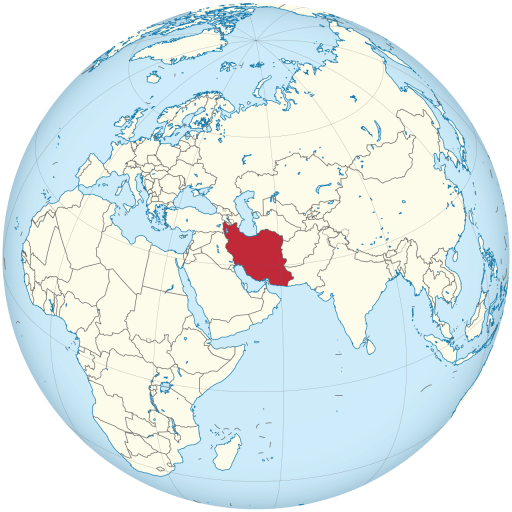
What happened:
According to a report by Iran Human Rights (IHR) and France's Together Against Death Penalty (ECPM), Iran executed 975 people last year, which is a 17% increase from the year before. It's also the highest number of executions in 20+ years.
Why this matters:
The crimes that are punishable by death in Iran are murder, rape, drug offenses, and broad charges such as "corruption on Earth" and "rebellion", which human rights groups say, "oh well, that's like sayin' you'll kill everyone who disagrees with you politically."
Tell me more:
Here are some facts that I thought were worth pointing out in particular:
- The majority---503 people---were executed for drug-related charges. This is a big shift from earlier years, and it's part of a trend where drug charges are the main reason people are sentenced to death.
- 419 people (about 43% of all executions) were executed for murder. Among them, 2 protesters were also charged with murder.
- 31 people were executed for political reasons, like being accused of crimes against the state, such as "enmity against God" or "corruption on Earth". This group included 9 Kurdish political prisoners and a dissident who was kidnapped from another country.
- 4 people were hanged in public.
- One child was executed, and there are still investigations into 3 other possible cases of children being executed.
- 31 women were executed, which is the highest number in the last 17 years.
- 5 of the people executed had psychosocial or intellectual disabilities.
- The people most affected by these executions are marginalized groups, like ethnic minorities, especially the Baluch.
- 80 Afghan citizens were executed in 2024, which is a big jump from 25 in 2023 and 16 in 2022.
- 90% of executions in 2024 (around 880 executions) were kept secret. Usually, the government announces more of them publicly.
- 649 people sentenced to...
Please log in or subscribe for free to continue reading this issue.
We could use your help to make this issue better. Take a look at the requests below and consider contributing:
- Submit a piece of artwork for this issue
- Submit a news, academic or other type of link to offer additional context to this issue
- Suggest a related topic or source for future issues
- Fix a typo, grammatical mistake or inaccuracy
Below you'll find some of the sources used for this issue. Only sources that support "media embedding" are included.
-
Today in Focus presenter Helen Pidd hits the road in Germany before Sunday’s federal elections, talking to voters across the country about the rise of the far right
-
An Indian drug maker tells a BBC undercover team its addictive cocktail drug is “very harmful” but “this is business”.
-
The Vatican canceled papal audiences through the weekend and delegated others to cover for Pope Francis as he remains hospitalized with a respiratory infection.
-
Chhattisgarh high court acquits a man of marital rape charges, citing legal immunity for husbands, reigniting debates on marital consent laws in India. | India News
-
2024 is deadliest year for journalists in CPJ history; almost 70% killed by Israel - Committee to Protect JournalistsIntroduction More journalists were killed in 2024 than in any other year since the Committee to Protect Journalists began collecting data more than three decades ago. At least 124 journalists and media workers were killed last year, nearly two-thirds of them Palestinians killed by Israel. The number of conflicts globally – whether political, criminal, or...
-
Vietnam's fertility rate currently stands at 1.91 children per woman, ranking among the five lowest in Southeast Asia, according to the Ministry of Health. - VnExpress International
-
Lidar has fully revealed a 600-year-old Zapotec city in southern Mexico.
-
Arkeonews is a premier online platform dedicated to delivering the latest and most compelling news in the field of archaeology.
-
Jair Bolsonaro, who, along with 33 other suspects, was charged on Tuesday over an alleged 2022 coup attempt, has said he was the victim of fake accusations by an 'authoritarian regime.'
-
Officials in central Manila are offering two pesos for every five mosquitoes captured, dead or alive.
Each week, What Happened Last Week curates news and perspectives from Asia, Africa, and the Americas. The newsletter is written by Sham Jaff and focuses on stories that rarely receive sustained attention in Western media.
Read the free edition every week. VIP subscribers receive additional stories, recommendations on what to watch, read and listen, and more.