

I'm in Milan right now, during fashion week, and all I can think about is slow fashion and why we're so not there yet.
This issue is therefore about the grave consequences of fast fashion on the world, specifically on African countries, and a high-profile case in the DRC that also includes a lot of foreign citizens. Plus, a YouTuber's fun self-experiment in said slow fashion, why the Toyota Land Cruiser has become some sort of a power symbol in many African countries, a conversation about Gazan art, Digital Media Africa 2024, and so much more.
The global fashion industry is hurting African countries --- new report
What happened:
A new report from Greenpeace Africa and Greenpeace Germany is shedding light on the massive environmental and public health issues caused by the global secondhand clothing trade, especially in Ghana.
Why this matters:
he fast fashion industry is wreaking havoc on the environment, especially in Africa. Brands are producing more clothing than the world can handle, and once the trend is over, the clothes are discarded. Unfortunately, a lot of this waste ends up in poorer countries. Activists are saying it's time to rethink our approach to fashion---prioritizing quality over quantity and tackling the throwaway culture that's fueling this crisis.
Tell me more:
The report highlights how discarded clothes from wealthier nations (mostly fast fashion) are severely impacting Ghana's environment and communities. Millions of items are shipped there every week, but almost half are unusable. These clothes often end up in informal dumpsites or are burned in public areas, causing serious air, soil, and water pollution, which threatens the health of local people.
Zoom out:
Ghana isn't alone in this. The secondhand clothing trade is widespread across Africa, including in countries like Kenya, Nigeria, Tanzania, South Africa, and Uganda.
Why do they burn them?
The quality of secondhand clothes has dropped significantly. In Kenya, for instance, about 458 million of the 900 million used clothes imported in 2021 were essentially worthless. Traders often discard 20--50% of the clothes they buy because they're in such bad condition.
Did you know?
African activists are taking on fast fashion. Mamba Online's Angelo C Louw introduces four of them. For example, Joseph Obel (Kenya) creates costumes using recycled materials (after realizing how much the film and theatre industry contributes to fast fashion by designing new costumes with every production which pile up in a corner afterwards). Sammy Oteng (Ghana) also repurposes secondhand clothing while exploring issues of neo-colonialism, sexuality and gender fluidity. Craig Jacobs (South Africa) built a sustainability brand, Fundudzi by Craig Jacobs. Chemitei Janet (Kenya) is a slow fashion educator on social media, encouraging mindful clothing habits.
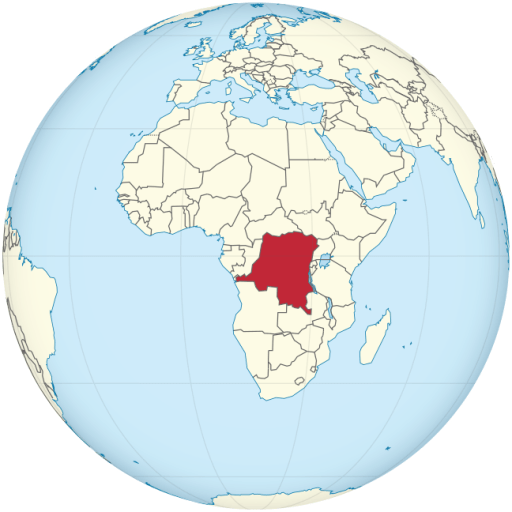
37 people have been sentenced to death in the DRC in a high-profile case
What happened:
37 people, including citizens from the US, UK, Belgium, and Canada, have been sentenced to death in the Democratic Republic of Congo (DRC) for attempting to overthrow the president. BBC's Wedaeli Chibelushi reports on this high-profile case.
Why this matters:
Although the DRC hasn't carried out a death sentence in about 20 years, the government ended its moratorium on capital punishment in March, citing the need to purge "traitors" from the military. So far, no death penalties have been enforced under this new policy.
Refresher: ...
Please log in or subscribe for free to continue reading this issue.
We could use your help to make this issue better. Take a look at the requests below and consider contributing:
- Submit a piece of artwork for this issue
- Submit a news, academic or other type of link to offer additional context to this issue
- Suggest a related topic or source for future issues
- Fix a typo, grammatical mistake or inaccuracy
Below you'll find some of the sources used for this issue. Only sources that support "media embedding" are included.
-
FAST FASHION, SLOW POISON: NEW REPORT EXPOSES TOXIC IMPACT OF GLOBAL TEXTILE WASTE IN GHANA - Greenpeace AfricaThe report, titled “Fast Fashion, Slow Poison: The Toxic Textile Crisis in Ghana,” exposes the devastating impact of discarded clothing from the Global North, much of it fast fashion, on the environment, communities, and ecosystems in Ghana.
-
Global fast fashion brands are churning out more clothes than the planet can handle. Here are four African fashion activists pushing back.
-
Christian Malanga, a US national of Congolese origin, the suspected plot leader, was killed during the attack.
-
Tyler Thompson, 21, is one of three Americans detained in DR Congo last month after the incident.
-
Today, Jean-Jacques Wondo, a well-known researcher on political and security issues in Africa’s Great Lakes region, will have an initial appearance before a military court in Kinshasa, the capital of the Democratic Republic of Congo. Wondo is one of at least several dozen people arrested following a failed coup attempt in the country last month.
-
Two men in Zimbabwe face being jailed for up to 14 years over charges of sodomy.
-
The ruling reflects a compromise between international pressure for abolition and domestic support for harsh punishment to deter offenders.
-
This is the first major attack on Bamako since 2015 when fighters targeted foreigners in a nightclub and hotel.
-
French media reports say two people have been killed in New Caledonia during a police intervention to apprehend activists, suspected of involvement in deadly unrest over attempts by Paris to amend the French constitution and change voting lists in the French Pacific territory.
-
At least 30 people have been killed in the past two weeks in Mexico’s northern state of Sinaloa as two factions of the powerful Sinaloa cartel continue to clash.
-
Multiple states and regions affected in a country already plunged into crisis by the February 2021 coup.
-
Conservatives coalesce around symbolic resolution backing opposition chief Edmundo González.
-
Sri Lanka elections result 2024 Highlights: Left-leaning Anura Kumara Dissanayake of People's Liberation Front became the President of Sri Lanka on Sunday following a historic run-off election.
-
"In Africa Toyota is big politics, a maker and destroyer of states, a decider of wars, the vessel of masculinity, a symbol of power, all rolled into one."
-
-
An air strike on a building adjacent to St. Porphyrios Greek Orthodox Church has killed several people taking shelter there, and has drawn strong ...
Each week, What Happened Last Week curates news and perspectives from Asia, Africa, and the Americas. The newsletter is written by Sham Jaff and focuses on stories that rarely receive sustained attention in Western media.
Read the free edition every week. VIP subscribers receive additional stories, recommendations on what to watch, read and listen, and more.