

Next month, this newsletter is officially turning 10 years old. I have something prepared for you :)
This issue is looking at Africa a bit more closely, specifically Algeria and Nigeria. In Algeria, an old man has just been re-elected president in a country full of frustrated, young people and in Nigeria, the "deadliest attack by Boko Haram" made the headlines; you can imagine how gruesome the details are. In the recommendations section, I shift my focus to more positive stories like Senegal's three female hip-hop beat makers, a Brazilian music legend, a must-see museum in Mexico City, and an Indian producer/singer whose latest album makes up for the fact that Kanye West doesn't produce good music anymore. And so much more!
Algeria's president has just been re-elected
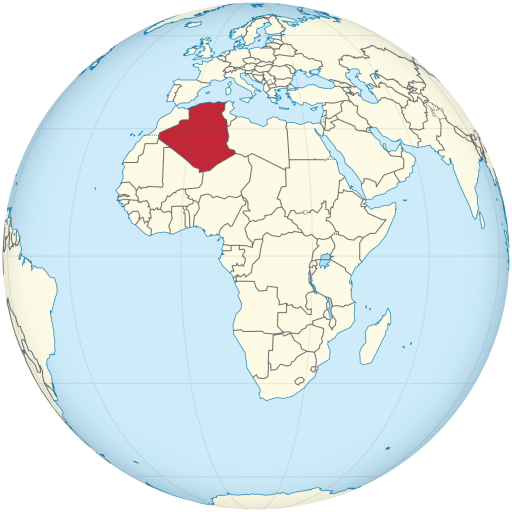
What happened:
Abdul-Majid Tebboune has just been re-elected as president of Algeria with a whopping 94.65% of the vote.
Why this matters:
Algeria is Africa's largest country by area and, with almost 45 million people, is the continent's second-most populous nation, right after South Africa.
Tell me more:
Over 5 million people cast their ballots, and Tebboune easily defeated his challengers, a conservative and a socialist, who each got around 5% of the vote. This is Tebboune's second time around. While he has gained popularity thanks to increased public spending, such as raising wages and pensions, Algeria's deeper issues haven't changed. The country's economy is heavily dependent on oil and gas, making it vulnerable to market changes. Efforts to diversify the economy haven't been very successful, and there's still a lot of red tape holding back foreign investments, writes Dalia Ghanem for Middle East Council on Global Affairs.
Who is Tebboune?
Tebboune, who first came into power in 2019, is closely aligned with the military, and this backing has historically been crucial for political success in Algeria. Ghanem calls them "the true power brokers".
What was the voter turnout?
Tebboune's campaign was marked by low enthusiasm, especially among young voters, leading to a turnout of 48%. The election was also characterized by a repressive atmosphere, with opposition parties, media, and civil society groups facing harassment. Amnesty International and other organizations have raised concerns about this.
What now?
Algeria will likely continue on its current path, with Tebboune's government focusing on large-scale social spending thanks to a boost in energy profits. He's promised to raise unemployment benefits, pensions, and public housing programs, just as he did in his first term. However, the country remains in a political crisis, with many people disillusioned with elections, seeing them as offering little real change. Plus, "Algeria still has more than 200 prisoners of conscience, including journalists and activists. Many whistleblowers, such as Zaki Hannache, a young activist that posted daily judicial news about prisoners of conscience on social media, are now in exile," writes the Tahrir Institute for Middle East Policy. Algeria also faces other big challenges, like high costs of living, water shortages due to drought, and growing poverty, especially among the youth.
While things are "stable" for now, Ghanem writes there's always a chance that Algerians will once again demand real change, just as they did during the Hirak protests in 2019 which toppled then-president Bouteflika.
Boko Haram killed at least 170 people in one day in northeastern Nigeria
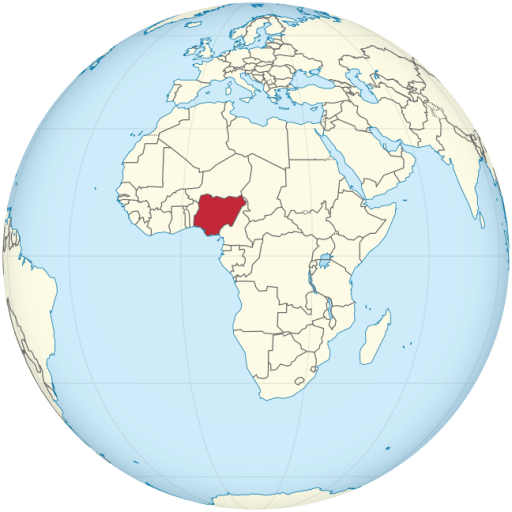
What happened:
At least 170 people were killed in Mafa village, northeastern Nigeria, when several members of ISWAP, a splinter group of Boko Haram, attacked a local market, worshippers, and homes, according to residents last week as per AP.
Why this matters:
The attack is one of the deadliest in that part of the country (Yobe state) in the past year. Yobe is one of three states on the front line of a 15-year conflict waged by Boko Haram and other armed groups, which has killed tens of thousands of people and displaced more than 2 million.
Tell me more:
Around 50 armed men, riding motorcycles, stormed the village in Yobe state on Sunday evening, shooting and setting buildings on fire. Local media reported that Boko Haram claimed responsibility, stating it was in revenge for villagers informing security forces about their activities. The militants said a number of their members had been killed because of these tips. "This is the first time our community has faced such a devastating attack," said Buba Adamu, a local chief. Many parts of the region are outside the Nigerian army's control, and villagers live in fear of such acts of retaliation. Security forces operate in these areas but lack the resources necessary to stay 24/7. This is also why, in recent years, civilians in the region have formed self-defense groups to fight Boko Haram; Mafa's civilians did the same thing, reports The New York Times.
What does Boko Haram do in Nigeria?
Since 2009, Boko Haram has been fighting to establish its version of Islamic law (Sharia) in the region. The group, now divided...
Please log in or subscribe for free to continue reading this issue.
We could use your help to make this issue better. Take a look at the requests below and consider contributing:
- Submit a piece of artwork for this issue
- Submit a news, academic or other type of link to offer additional context to this issue
- Suggest a related topic or source for future issues
- Fix a typo, grammatical mistake or inaccuracy
Below you'll find some of the sources used for this issue. Only sources that support "media embedding" are included.
-
Les jeunes n'ayant pas pu rembourser les crédits accordés dans le cadre du dispositif ANSEJ ne seront pas poursuivis en justice.
-
Suite à l'annonce des élections présidentielles anticipées prévues pour septembre 2024, la société civile algérienne et les organisations (…)
-
Nigerian authorities say Islamic extremists have killed eight farmers and abducted 10 in an attack in the country's hard-hit northeast.
-
President Ruto says those responsible will be ‘held to account’ for the blaze that also injured 27 pupils.
-
Marathon runner Rebecca Cheptegei, 33, was doused in petrol after returning home from church.
-
A senior United Nations official says more than 16 months of war in Sudan has killed more than 20,000 people, a grim figure amid a devastating conflict that wrecked the northeastern African country.
-
Congolese authorities say that an attempted jailbreak in the country's main prison has left 129 people dead, including some who were shot and others who died in a stampede at the overcrowded facility.
-
Uganda's leading opposition figure Bobi Wine has been shot in the leg and “seriously injured” in a confrontation with police outside the capital, Kampala.
-
Edmundo González landed at a military base in Madrid, where he will be granted political asylum.
-
Two loggers have been killed by the reclusive Mashco Piro Indigenous tribe deep in Peru's Amazon. The loggers encroached on their land, according to local rights groups, in the latest event of rising tensions between the two sides and mounting pressure for government intervention.
-
Honduras' president is asked to resign after corruption scandal she says is a plot to oust her | AP NewsThe head of an anti-corruption organization on Wednesday demanded that Honduran President Xiomara Castro to resign after a video was released in which her brother-in-law allegedly received drug money.
-
Thailand has new a Cabinet after King Maha Vajiralongkorn approved the appointment of 35 members to serve under Prime Minister Paetongtarn Shinawatra.
-
Cambodia’s leader has condemned international human rights groups for criticizing his government’s arrests of nearly 100 people for protesting against a decades-old regional development agreement with neighboring countries.
-
Thousands of Colombians have been forced to walk to work as truckers in major cities blocked highways to protest a recent increase in the price of diesel fuel.
-
Seven people rescued 10 nautical miles (18.5km) southwest of Lampedusa after boat capsized in rough weather.
-
Apollo Quiboloy, an ally of ex-President Duterte, is facing child sex trafficking charges in the Philippines and the US.
-
Switzerland reopened its embassy in the Iraqi capital of Baghdad on Tuesday, more than three decades after its previous representation in Iraq was closed due to the outbreak of the 1991 Gulf War, officials said. “By reopening the embassy, the Federal Council aims to strengthen bilateral relations with the populous country and deepen cooperation in […]
-
Arrest comes after top prosecutor interrogated Salameh over several financial matters, judiciary officials say.
-
Authorities aim to start vaccinations in October but face logistical challenges as doses need to be kept cold.
-
The damning report sets out failures stretching back to the early 1990s over how fire safety was regulated in high rises.
-
Aminata Thiam is one of Senegal’s few female beatmakers. Known by her stage name Myamy, she teaches women how to make beats, a type of music production that originated in the U.S. hip-hop scene and that has gained popularity in Senegal thanks to the proliferation of beatmaking computer software.
-
In the 1940s, Mexican artist Diego Rivera had a dream: to build a sacred place to preserve and display his lifelong collection of pre-Hispanic art.
Each week, What Happened Last Week curates news and perspectives from Asia, Africa, and the Americas. The newsletter is written by Sham Jaff and focuses on stories that rarely receive sustained attention in Western media.
Read the free edition every week. VIP subscribers receive additional stories, recommendations on what to watch, read and listen, and more.