

Can you be a bit honest with me for a second? How do you like this newsletter? Has it helped you in any way so far? I'm so curious.
This issue is talking about unsafe housing in Johannesburg (South Africa's richest city) and Nicaragua's long-time president, who's just banned hundreds of NGOs because... well, why not? Plus, some brave news from women in Afghanistan, babies suing South Korea over the country's climate goals, 100,000 mpox vaccines, something called "Africapitalism", a short film about Amazigh and Moroccan surfers, and a very feisty lion in Tanzania. And so much more!
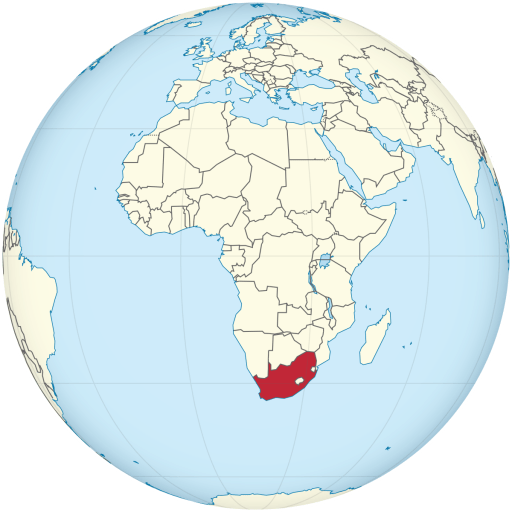
Unsafe housing for poor people is still a huge topic in South Africa's largest and richest city
What happened:
Last year, on August 31, 2023, a fire broke out in a building in downtown Johannesburg, South Africa. 76 people, including 12 children, died, hundreds became homeless.
Why this matters:
Johannesburg has a big problem with unsafe housing, and fires like this have become too common in the city's busy downtown. With about 6.3 million people living there, Johannesburg is the largest city in South Africa and a major financial hub. It's home to some of the country's richest people, but also many who live in very dangerous conditions.
Tell me more:
In downtown Johannesburg, hundreds of buildings have been "hijacked." This means they've been illegally taken over by people, who then rent them out to those in need of a place to live. These buildings are often old, neglected, and in bad shape, with poor fire safety. The "hijackers" act like landlords but don't care for the properties or the people living there. Many of the residents are migrants who came to Johannesburg looking for a better life, only to find themselves in these unsafe homes.
Who's responsible for the fire?
The investigation is still ongoing, but here's what we know: a report found that the building had 200 shacks made from very flammable materials. A 32-year-old man confessed to starting the fire, but later took back his statement. There are also questions about whether a local official helped the hijackers set up these dangerous shacks. The City of Johannesburg has been blamed for neglecting this building and many others like it. According to a local group, the city hasn't done its job to provide safe housing. "The city has failed to fulfil its constitutional obligation to provide decent housing," said Siyabonga Mahlangu, a representative for the Inner City Federation (ICF), an advocacy group fighting evictions in Johannesburg.
How are the survivors now?
A year later, many survivors are still struggling. Some are living on the streets, under bridges, or in other abandoned buildings (because they were undocumented foreign nationals and feared making themselves known to authorities because they could get arrested). Others have been moved to a city-organized shelter in what used to be a sports stadium, but the conditions there are not much better. Around 500 people live there in tents and makeshift homes, feeling forgotten and hopeless. The shelter also still houses other survivors from other fires, like the one in 2017 in Cape York, and people the city evicted from a derelict building called Fattis Mansions. It was originally supposed to be an only-for-a-while arrangement. However, here too, the city has failed, according to Edward Molopi, a senior advocate at legal rights group the Socio-Economic Rights Institute (SERI), which assists people facing eviction. "According to law, if eviction is going to end up in homelessness, the city is supposed to provide alternative accommodation," he told Al Jazeera, referencing an older ruling by the Constitutional Court. Although the local authority arranged the temporary site, it "has failed to maintain and upkeep the premises," he said. The city says it's "reviewing the situation," but for now, the survivors are still waiting for real help.
Details:
For example, crime at the shelter is a huge topic. Unemployed young men drinking and playing loud music during the day while children play nearby, sometimes in areas littered with dangerous trash like used needles. One mother even told Al Jazeera she needs new shoes for her three-year-old to protect him from the hazards on the ground.
Nicaragua just banned 1,669 NGOs, including the Red Cross and Save The Children
What happened:
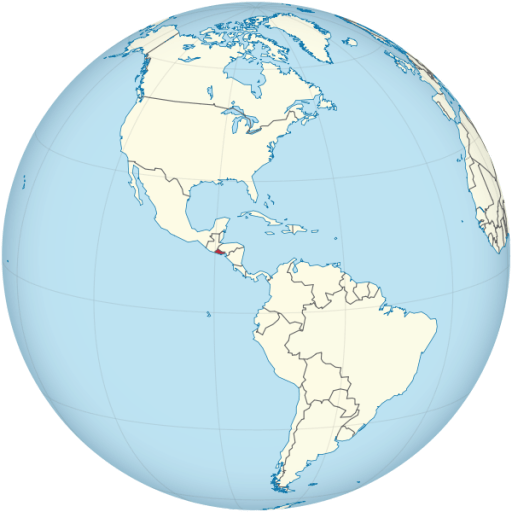
On August 19, it became public that Nicaragua's government had banned 1,500 non-governmental organizations (NGOs), Reuters reports. The government also took away the assets of these mostly religious groups.
Why this matters:
For the past six years, many civil society groups in Nicaragua have been struggling because the country's president sees them as enemies. In total, over 5,000 civil society groups, private universities, and media outlets have been shut down by the authorities. Nicaragua is home to around 7 million people, and this crackdown affects many of them.
Tell me more:
Some of the groups that have been shut down include big names like the Nicaraguan Red Cross, Save the Children Canada, and several Catholic charities. The government didn't stop there; it also targeted rotary clubs, chess clubs, sports associations, and groups representing small business owners, farmers, and pensioners. Even Catholic radio stations and universities were closed. The official reason? The Interior Ministry claimed these groups hadn't provided required financial information, including details about their donations. On top of that, the government...
Please log in or subscribe for free to continue reading this issue.
We could use your help to make this issue better. Take a look at the requests below and consider contributing:
- Submit a piece of artwork for this issue
- Submit a news, academic or other type of link to offer additional context to this issue
- Suggest a related topic or source for future issues
- Fix a typo, grammatical mistake or inaccuracy
Below you'll find some of the sources used for this issue. Only sources that support "media embedding" are included.
-
Journalist disappears amid Ortega's siege of what is left of independent journalism in Nicaragua | RSFJournalist Fabiola Tercero Castro and her family have been missing ever since police raided their home on 12 July. Castro’s disappearance comes amid a new wave of repression against the Nicaraguan press. Reporters Without Borders (RSF) urges the authorities to end their persecution of journalists and to provide an explanation for Castro’s disappearance.
-
seguir leyendo... Button Hola mundo Button Hola mundo Button
-
Projected results put Germany's far-right AfD party ahead of its rivals in Thuringia and on course for a gain in Saxony. Here are the results and what they mean for the balance of power in the states' parliaments.
-
Berhane Abrehe was Eritrea's longest serving finance minister before falling out with the president.
-
Scores of people have died after dam bursts following heavy rains and flooding in Yemen, according to a United Nations body. Yemenis have already been suffering from a ruinous civil war that began in 2014.
-
Officials remain worried over heavy rains that have caused flooding as the rainy season is yet to peak.
-
Fresh fighting in northern Somalia leaves 5 dead
-
The editors had pleaded not guilty to conspiracy to publish and reproduce seditious publications. They face up to two years in prison and a fine. They were given bail pending sentencing on Sept. 26.
-
Court sentences PetroSaudi executives to six and seven years in Malaysia investment fund fraud case.
-
Muhyiddin Yassin, an opposition leader and former prime minister, has been accused of insulting Malaysia's former king. The rotating monarchy in the country is held in deep respect.
-
Berlin will donate nearly all of its mpox vaccine reserves to the DR Congo and other African nations. The WHO believes this support could help stop the spread of the disease.
-
Women push back at law stating they must not sing or read aloud in public by posting videos of themselves singing
-
The ruling could catalyze similar climate litigation efforts across Asia.
-
-
88-year-old Australian doctor freed 7 years after kidnapping by Islamic extremists in West Africa | AP NewsAn 88-year-old Australian doctor held captive by Islamic extremists in West Africa for more than seven years has been freed. Foreign Minister Penny Wong said Friday that Ken Elliott has reunited with his wife and their children in Australia. His family thanked the Australian government and others who worked to free him. Wong said no ransom was paid, but other circumstances of his release were not disclosed. Elliott and his wife were kidnapped in 2016 in Burkina Faso, where they had run a medical clinic for four decades. Jocelyn Elliott was released three weeks later. The militant group behind the kidnapping, Al-Qaida in the Islamic Maghreb, rose to prominence in large part through ransom kidnappings of foreigners.
-
President Samia says the lion is "always unsettled" so named him after opposition leader Tundu Lissu.
Each week, What Happened Last Week curates news and perspectives from Asia, Africa, and the Americas. The newsletter is written by Sham Jaff and focuses on stories that rarely receive sustained attention in Western media.
Read the free edition every week. VIP subscribers receive additional stories, recommendations on what to watch, read and listen, and more.