

This issue focuses on two women: Paetongtarn Shinwatra from Thailand and Tuíre Kayapó from Brazil. One has just become a country's youngest prime minister, and the other was one of the world's most famous Indigenous environmentalists. Plus: African classical music, why four Caribbean nations want to decriminalize suicide, how to make millions before grandma dies, and a traditional Ethiopian cure-all for hip and joint pain, headaches, and even skin issues.
Thailand's got a new prime minister -- young, female and rich
What happened:
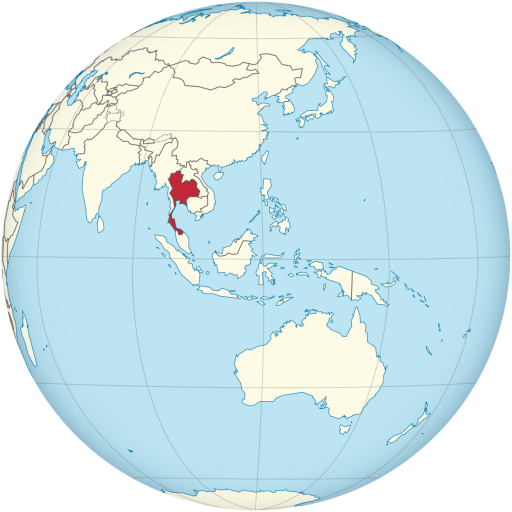
Thailand's parliament has chosen Paetongtarn Shinawatra, daughter of the billionaire and former leader Thaksin Shinawatra, as the new prime minister. At just 37 years old, she's making history as Thailand's youngest prime minister and the second woman ever to hold the position, following in the footsteps of her aunt, Yingluck Shinawatra. report Jonathan Head, Thanyarat Doksone & Kelly Ng for BBC. Paetongtarn's rise to the top job comes just two days after the previous prime minister, Srettha Thavisin, was ousted by a Constitutional Court ruling.
Why this matters:
This is not a "representation matters" type of news story. Thailand's politics have long been a battlefield, with judges stepping in whenever someone threatens the country's old-school royalist power structure. Erich Parpart in Thai Enquirer believes this latest decision raises concerns about judicial independence and fairness. "This situation could be perceived as a judicial coup, undermining democratic norms."
Tell me more:
Both, Thavisin and Shinawatra, belong to the Pheu Thai Party -- the party who finished second in the 2023 elections but managed to form a ruling coalition. Why? The actual election winner, Move Forward, was blocked from taking power by the (military-appointed) senate. Earlier this month, again in a dramatic turn, the constitutional court dissolved Move Forward and banned 11 of its leaders from politics for a decade. In response, the new People's Party, a successor to Move Forward, was born and inherited 143 MPs. Their leader, Natthaphong Ruengpanyawut, didn't hold back---he called out the "lawfare tactics" used by elites to squash the will of the people and urged the new prime minister to tackle the root issues caused by these appointed officials.
Did you know?
Paetongtarn is the fourth member of the Shinawatra family to become prime minister in the last 20 years. The other three---including her dad Thaksin and her aunt Yingluck---were all forced out either by military coups or -- surprise, surprise -- constitutional court rulings.
So, who is Paetongtarn Shinawatra?
She's the youngest daughter of Thaksin Shinawatra, the former prime minister who's still pulling the strings behind the scenes at Pheu Thai. She's had a top-notch education in Thailand and the UK, and before diving into politics, she worked for her family's Rende hotel group, where her husband is a deputy chief investment officer. Paetongtarn joined Pheu Thai in 2021 and quickly climbed the ranks to become party leader in October 2023. She's known by her nickname "Ung Ing," and she's married to Pitaka Suksawat, with whom she has two kids---a daughter and a son, according to The Nation.
Btw:
Paetongtarn has stakes in 15 companies worth a whopping 8.4 billion baht. However, Thailand's Constitution says ministers can't hold shares in companies, so she'll need to hand those over to a blind trust and let the National Anti-Corruption Commission know within 30 days of taking office, reports The Nation.
What now?
Being young and relatively new to politics, Paetongtarn will likely lean heavily on her father's experience, which could make people see her as a stand-in for Thaksin. Political expert Thitinan Pongsudhirak from Chulalongkorn University told AFP that she's in for a tough time, facing intense scrutiny and pressure, and she'll have to rely on her dad to navigate these stormy waters.
Recommended read:
efore the Move Forward party was banned, Pita Limjaroenrat, in an opinion piece for The Nation, wrote about the state of politics in Thailand and why he believes that the people are ready for a stronger democracy -- even if his party will be dissolved. The article is very hopeful and maybe a good (fictional) ending to this news.
One of the most important Indigenous leaders in Brazil died last week
What happened:
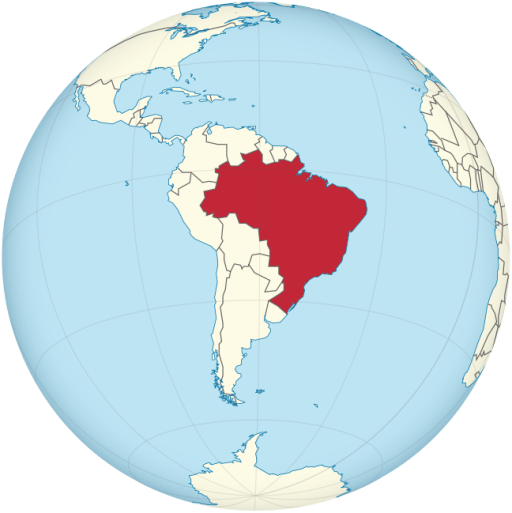
Tuíre Kayapó, a leader of the Kayapó people, passed away on Saturday, August 10, in a hospital in Redenção, Pará. She was 57 years old and had been fighting uterine cancer.
Why this matters:
This definitely is a "representation matters" type of story. Tuíre Kayapó was one of the most important Indigenous leaders in Brazil.
Tell me more:
Tuíre first made headlines in the 1980s when she stood up against the Belo Monte Dam project on the Xingu River, a battle that would define her legacy. Later, in the 2010s, she took on the controversial PEC 215 amendment. Her whole life was about fighting for her people's rights and standing up to government actions that threatened their way of life. Whether it was the Belo Monte Hydroelectric Plant or the "Time Frame Law," Tuíre was always on the front lines.
Let's get personal:
Tuíre was born in Kokrajmôrô, right in the heart of Kayapó territory. Leadership ran in her family---both her grandparents were chiefs. She once said, "My grandparents taught me to protect our land and our forest from outsiders." At a time when men mostly led the Indigenous movements, Tuíre was one of the few women who took on this role. She was the only woman to join the men in marches to Brasília, fighting for her people's rights. In 2023, Tuíre was diagnosed with uterine cancer, but she kept up her activism until she passed away on August 10, 2024. She was buried in Gorociré, a Kayapó village near Cumaru do Norte. Her death was mourned by many, including President Luiz Inácio Lula da Silva and Minister of Indigenous Peoples Sonia Guajajara.
Tell me more about this image you shared on Instagram
Tuíre became famous at just 19 years old when she took a stand against the Kararaô Hydroelectric Plant (later known as the Belo Monte Dam). In a bold move, she waved a machete in the face of the president of Eletronorte, José Antonio Muniz Lopes, during a meeting with 600 Indigenous protesters. This act delayed the dam's construction by two decades and made her a symbol of Indigenous resistance....
Please log in or subscribe for free to continue reading this issue.
We could use your help to make this issue better. Take a look at the requests below and consider contributing:
- Submit a piece of artwork for this issue
- Submit a news, academic or other type of link to offer additional context to this issue
- Suggest a related topic or source for future issues
- Fix a typo, grammatical mistake or inaccuracy
Below you'll find some of the sources used for this issue. Only sources that support "media embedding" are included.
-
At 37, she will be the country's youngest PM and the second woman in the post, after her aunt Yingluck.
-
Paetongtarn’s 42-year-old husband has shifted from a career as a commercial pilot to playing a pivotal role in the Shinawatra empire
-
Like her father, Paetongtarn held a very diverse portfolio of investments, which she will now have to give up as the new prime minister
-
In Thailand, politics often prove stranger than fiction. Having won the majority of seats in last year's general elections, my party and I now find ourselves entangled in legal battles rather than governing as mandated by 14 million voters.
-
Conforme decisão, houve mudanças drásticas "nos traços culturais, modo de vida e uso das terras pelos povos indígenas"
-
With a single defiant gesture, this brave indigenous woman, who passed on August 10, delayed construction of the Belo Monte Dam by two decades and set an example for future generations
-
Witnesses say people killed in artillery and drone attack that targeted civilians fleeing violence
-
Antonio Guterres says Gaza is in "humanitarian freefall" and calls for pause in fighting so aid agencies can deliver 1.6 million doses of the nOPV2 polio vaccine to the strip.
-
Pelaksanaan upacara bendera 17 Agustus dilakukan secara serentak. Lalu, jam berapa upacara 17 Agustus 2024 diselenggarakan? Simak jadwal lengkapnya berikut ini.
-
In a scuffle involving dozens of Turkish deputies, a female lawmaker was struck, leaving drops of blood on steps leading to the speaker’s lectern.
-
Economy remains key issue after protesters angered by financial crisis toppled President Gotabaya Rajapaksa in 2022.
-
The UN still operates in the parts of Yemen controlled by the internationally recognized government.
-
Javad Zarif has stepped down from the post of vice president, citing his disappointment with the new Cabinet. It's the second crisis for newly elected President Masoud Pezeshkian.
-
The rape and murder of a medical trainee in the eastern Indian city of Kolkata has touched a nerve in India's medical community. Doctors are walking off the job to draw attention to the threats of violence they face.
-
ACE published all 51 extant works by South African-born composer Michael Mosoeu Moerane (1904-1980) in 2020, both individually and in a complete edition.
-
Flavor Flav continues to show support for American Olympians, this time offering gymnast Jordan Chiles a bronze clock necklace to replace her forfeited medal.
Each week, What Happened Last Week curates news and perspectives from Asia, Africa, and the Americas. The newsletter is written by Sham Jaff and focuses on stories that rarely receive sustained attention in Western media.
Read the free edition every week. VIP subscribers receive additional stories, recommendations on what to watch, read and listen, and more.