
In this issue, I'm summarizing a few reports for you, specifically about just how equal access to education is globally. I'm also giving you the Who's Who of Venezuelan politics right now (they voted yesterday, and Maduro has been pi**ing his pants lately). Plus, an Indian rapper's music video that went viral, Africa's top airlines and their world-domination-plans, why speaking perfect Japanese might be good for your pocket, and how the decline of vultures led to 500,000 human deaths in over five years, potentially upcoming ceasefire talks between the warring Sudanese factions, a maybe-permanent bye-bye to the awful Guinea Worm Disease from mankind and so much more.
How equal is the access to education? Two reports give some answers
What happened:
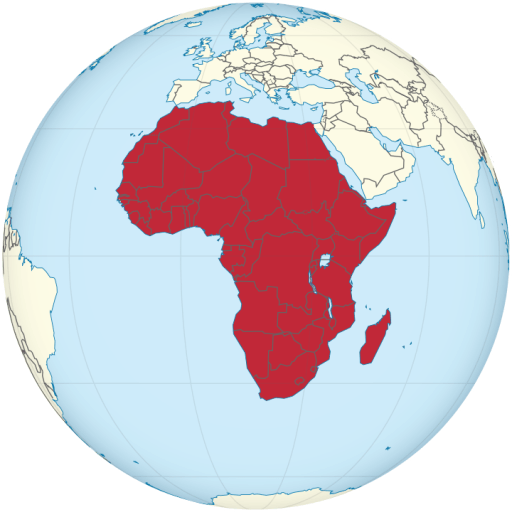
Two reports have come out recently that highlight some of the bigger challenges and more structural barriers to equal access to education for Africans.
Why this matters:
Education is super important for both economic growth and personal development. When African students can't study abroad or access online learning, they miss out on valuable skills and knowledge. High visa denial rates and gender gaps in education only make things worse, trapping many in a cycle of inequality and making it harder for them to escape poverty and improve their lives. Fixing these problems is essential for building a more inclusive and fair global education system.
Tell me more:
The two reports were published by the digital learning platform Coursera and non-profits Shorelight and the Presidents' Alliance on Higher Education and Immigration.
First, let's talk about Coursera:
The digital learning platform Coursera published their 2024 "Global Skills Report". Here are some of its findings with respect to users from the African continent.
- Mobile learning: In "Sub-Saharan Africa", 65% of learners access courses on smartphones or tablets, the highest rate of any region.
- Focus areas: They focus on developing business skills like risk management and supply chain systems, as well as technical skills like SQL and HTML/CSS.
- Gender disparity: Only 36% of learners are women, even though women make up 46.1% of the region's labor force. This shows a significant gender gap in online learning.
- Internet access: The report stresses the need for better internet access to boost skills development and reduce youth unemployment. Most internet traffic in Africa comes from smartphones.
Next up is the report from Shorelight and Presidents' Alliance on Higher Education and Immigration, titled "The Interview of a Lifetime: An analysis of visa denials and international student flows to the U.S.". Here's what they found:
- Visa denials: Last year, nearly 60% of African students who applied for F-1 visas to study in the US were denied.
- Rising denials: Countries in Africa and Asia saw big increases in visa denials, with some going up by 10 percentage points or more in 2023.
- Southern Africa: In Southern Africa, the situation was better, with only 19% of students being denied visas, much lower than the overall 57% denial rate for the whole continent.
- Lower denial rates: South Africa, Namibia, Botswana, and Lesotho had lower denial rates compared to other African countries.
- Global comparison: Among all regions, African students faced the highest visa denial rates.
- State Department claims: Despite this, the US State Department says they have actually granted more visas to African students in total than ever before.
Venezuelans are voting for a new president. This time, the opposition's candidate might stand a chance
What happened:
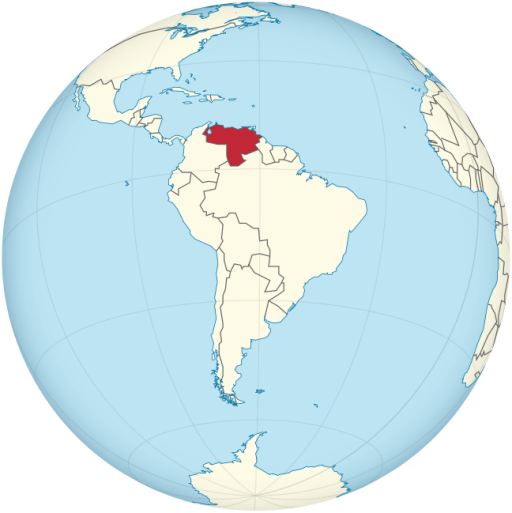
Two older men are running for president in a highly-contested election in Venezuela. Now-president Nicolás Maduro (61) is running for a third consecutive term. His main challenger is Edmundo González (74); he's a former diplomat and the opposition in Venezuela really, really likes him.
Why this matters:
Right now in charge is the PSUV party; they've actually been calling the shots for some 25 years now. Plus, Venezuela's president hasn't changed his name since 2013: It's still Nicolás Maduro. This election is the first in over a decade in which most of the opposition has united behind one candidate and is not boycotting the poll. The New York Times' Frances Robles writes that this election "could determine if democracy will be restored to the South American nation." 21.6 million Venezuelans are eligible to vote. However, there are more than eight million Venezuelans abroad and only 69,211 will be able to vote, writes Nuria Lopez for El Mundo.
Tell me more:
The polls predict that González is in the lead, but some are worried that this might not mean much because, well, in 2018 Maduro was elected and some had said that that election in particular wasn't really free nor fair, so 'maybe this time around, they're going to tamper with it again?'. Plus, Maduro seems extremely sure that he'll win; in the run-up to the polls, he warned of a "bloodbath" should he be defeated. The symbol for his campaign? A fighting cockerel. However, he's also said that he will "make sure" that when the results are announced by the National Electoral Council (they organize and announce the official results), they be respected.
That sounds good, no?
Yes and no. The National Electoral Council is made up of people who are basically allies of Maduro. And Maduro himself seems pretty tense about this election; so tense that when ex-President of Argentina, Alberto Fernández, said that the Maduro government should accept a possible defeat at the polls, he got actually uninvited, writes, Vanessa Buchschlüter, the BBC's Latin America and Caribbean editor. Hence, why the opposition has mobilized thousands of people to act as witnesses at individual ballot stations: to really make sure their votes are being counted. "We have organized the biggest citizen electoral observation network known so far in the country," writes María Corina Machado in an opinion article for The New York Times. Machado is a former member of the National Assembly of Venezuela and the leader of the country's political opposition.
Details:
The opposition in Venezuela has gotten through some rough situations; think constant harassment, the arrest of more than 100 people linked to its campaign since January, and that their chosen candidate, María Corina Machado, was banned from running for office, and so on. Tony Frangie Mawad and Cristóbal Picón Ball write about voter suppression...
Please log in or subscribe for free to continue reading this issue.
We could use your help to make this issue better. Take a look at the requests below and consider contributing:
- Submit a piece of artwork for this issue
- Submit a news, academic or other type of link to offer additional context to this issue
- Suggest a related topic or source for future issues
- Fix a typo, grammatical mistake or inaccuracy
Below you'll find some of the sources used for this issue. Only sources that support "media embedding" are included.
-
Learn online and earn valuable credentials from top universities like Yale, Michigan, Stanford, and leading companies like Google and IBM. Join Coursera for free and transform your career with degrees, certificates, Specializations, & MOOCs in data science, computer science, business, and dozens of other topics.
-
Shorelight and President’s Alliance Report Shows Disproportionate F-1 Visa Denials in Africa and the Global South | ShorelightImmigration policies that contribute to these patterns of visa denials are missed opportunities to invest in the diverse talents of African students pursuing US higher education and their enormous growth potential in tomorrow’s global economy.
-
Venezuela celebra este domingo elecciones presidenciales, con Nicol�s Maduro y Edmundo Gonz�lez como principales candidatos. Los sondeos arrojan una amplia mayor�a para el...
-
The opposition is hopeful it can oust the incumbent, whose party has ruled the country for 25 years.
-
Hacía cinco años que Nelson Díaz (nombre cambiado por seguridad) dejó Venezuela. Al llegar al Puente Simón Bolívar, la vía más transitada y bulliciosa entre la ciudad colombiana de
-
The Machado phenomenon points to a possible shift in Venezuela’s political culture and the collective trauma of family separation due to forced migration
-
At least 45 people detained in Kampala, according to Chapter Four Uganda, a rights group.
-
Panama border police agency does not specify nationalities of those who drowned or how they crossed into country.
-
Sharks taken from the shores near Rio de Janeiro have tested for high levels of cocaine.
-
New agreement sees removal of banking restrictions and more activity by national airline
-
For nearly 40 years, we have led the international campaign to eradicate Guinea worm disease, working closely with ministries of health and our partners.
-
A new study links the vulture decline in India to deadly bacteria spread, causing about 500,000 deaths.
-
CNN explores the steps Africa’s top airlines are taking to expand the continent’s aviation industry.
-
Despite Hanumankind's clear homage to Project Pat in his lyrics, and Project Pat himself sharing the track, accusations persisted.
Each week, What Happened Last Week curates news and perspectives from Asia, Africa, and the Americas. The newsletter is written by Sham Jaff and focuses on stories that rarely receive sustained attention in Western media.
Read the free edition every week. VIP subscribers receive additional stories, recommendations on what to watch, read and listen, and more.