

In this issue, I'm shining the light on women's rights in The Gambia (how often do you hear about this small West African country?) and how wars impact vaccination campaigns for children, especially in Sudan and Yemen. Other than that, you'll learn about how China wants to become a marathon heavyweight, how a photographer escaped El-Fashir in Sudan, what so-called World War II was like for the many African soldiers that were drafted into the respective armies. Plus, the Arab world's first electro dance music label and an unforgettable Japanese female politician. And so much more!
Gambia votes to keep the ban on FGM
What happened:
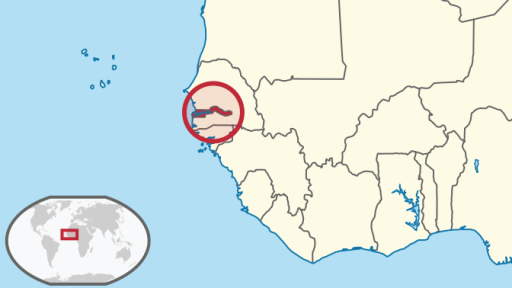
The National Assembly of the Gambia said, "no, we will keep the ban on female genital mutilation (FGM)," reports The New York Times' Ruth Mclean. This is a big reversal from a few months ago, when many conservative and religious members were pushing to overturn the ban.
Why this matters:
FGM involves the partial or total removal of female external genitalia and can cause serious health issues like infections, bleeding, infertility, and childbirth complications. A UN report from March said over 230 million girls and women worldwide have undergone FGM.
Did you know?
Former Gambian dictator Yahya Jammeh, now in exile, outlawed FGM in 2015, saying it was outdated and not required by Islam. Parliament passed the first law banning the practice that same year, with penalties of up to three years in prison. However, FGM hasn't been eradicated, with the first convictions only happening last year. The law is based on the African Union's Maputo Protocol on the Rights of Women, which The Gambia has ratified.
Tell me more:
34 out of 53 National Assembly members voted to keep the ban, writes AFP. Speaker Fabakary Tombong Jatta announced, "The Women's (Amendment) Bill 2024 is hereby deemed rejected." The bill had caused deep public division in the Muslim-majority country since March. Introduced by MP Almameh Gibba, it claimed "female circumcision" was a cultural and religious practice.
Who's behind this legal victory?
Women's rights activists. They worked tirelessly to educate communities about the dangers of FGM. "This is a significant win for women and girls in The Gambia and beyond," said legal scholar Satang Nabaneh. Activist Absa Samba, an FGM survivor, added, "A lot more work is needed because the law doesn't necessarily change beliefs."
What do people in the Gambia think about FGM?
Despite the ban, many Gambians still support FGM. UNICEF reports 73% of women and girls aged 15 to 49 have undergone the procedure. "I don't believe that female circumcision is dangerous at all," said Kaddy Sanno, a Muslim woman protesting outside the National Assembly. Some imams and lawmakers, believing it to be an Islamic practice, led efforts to repeal the ban.
What now?
"This vote is a significant victory for women and girls in The Gambia," said Divya Srinivasan from women's rights NGO Equality Now. A joint statement from UN agencies praised the decision but warned that progress remains fragile and continued advocacy is needed. Amnesty International also welcomed the decision but called for more efforts to uphold the law and change attitudes towards FGM.
The UN warns that not enough people are getting vaccinated because of all the wars
What happened:
Around 14.5 million kids didn't receive a single vaccine dose in 2023 (it was 2.7 million more in 2019), according to UNICEF and the World Health Organization. More than half of these kids live in countries facing armed conflicts or other crises, creating extremely fragile and vulnerable situations.
Why this matters:
Global immunization rates have stayed mostly the same since 2022. Worryingly, we're still not back to the 2019 vaccination levels.
Tell me more:
The new WHO and UNICEF estimates, known as WUENIC, show trends in vaccinations against 14 diseases, highlighting the ongoing need for catch-up efforts and strengthening healthcare systems. UNICEF Executive Director Catherine Russell pointed out, "Many countries are still missing too many kids." She emphasized that closing this immunization gap needs a global effort. Governments, partners, and local leaders must invest in primary healthcare and community workers to ensure every child gets vaccinated, and overall healthcare is improved.
What's causing all this?
Healthcare services are still facing disruptions (especially in places where there is war). It's also tricky to get vaccines where they need to go, and if they do get them (some still don't), people are hesitant to get vaccinated. It's a whole thing.
Give me some details:
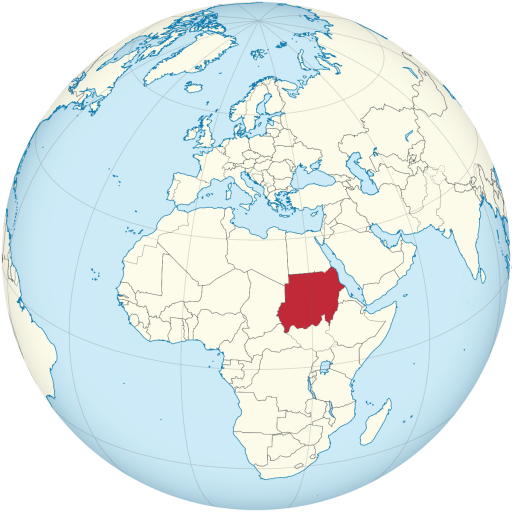
For example, Sudan's war has caused a massive increase in unvaccinated kids, jumping from about 110,000 in 2021 to around 701,000 last year. Yemen's numbers are also up, with 580,000 kids unvaccinated, compared to 424,000 three years ago. Along with the 14.5 million "zero-dose" kids in 2023, there are 6.5 million "under-vaccinated" kids who didn't get all their recommended shots. Both numbers are higher than in 2022. Officials said on Monday that despite some progress,...
Please log in or subscribe for free to continue reading this issue.
We could use your help to make this issue better. Take a look at the requests below and consider contributing:
- Submit a piece of artwork for this issue
- Submit a news, academic or other type of link to offer additional context to this issue
- Suggest a related topic or source for future issues
- Fix a typo, grammatical mistake or inaccuracy
Below you'll find some of the sources used for this issue. Only sources that support "media embedding" are included.
-
New data reveal nearly 3 in 4 infants live in countries where low vaccine coverage is driving measles outbreaks.
-
Hundreds of demonstrators take to the streets in Nairobi and other cities to demand president’s resignation.
-
The military-led country becomes the latest in Africa to crack down on LGBT rights despite Western pressure.
-
Seventh and most recent victim was ambushed while driving, as most cases thought likely to be work-related
-
Operation Sweetness: Paraguay finds 4 tons of cocaine stashed in sugar in its biggest drug bust yet | AP NewsAuthorities in Paraguay have announced the largest cocaine seizure in the country’s history as officials were surprised to find more than 4 tons of the drug stashed inside a shipment of sugar bound for Belgium.
-
Mashco Piro sighted coming out of rainforest more frequently, apparently moving away from loggers
-
Khadga Prasad Sharma Oli becomes the new PM after the country’s two largest parties form a coalition.
-
Saudi Arabia will host the inaugural Olympics Esports Games in 2025, the International Olympic Committee announced Friday.
-
Radar evidence of an accessible cave conduit on the Moon below the Mare Tranquillitatis pit | Nature AstronomySeveral potential subsurface openings have been observed on the surface of the Moon. These lunar pits are interesting in terms of science and for potential future habitation. However, it remains uncertain whether such pits provide access to cave conduits with extensive underground volumes. Here we analyse radar images of the Mare Tranquillitatis pit (MTP), an elliptical skylight with vertical or overhanging walls and a sloping pit floor that seems to extend further underground. The images were obtained by the Mini-RF instrument onboard the Lunar Reconnaissance Orbiter in 2010. We find that a portion of the radar reflections originating from the MTP can be attributed to a subsurface cave conduit tens of metres long, suggesting that the MTP leads to an accessible cave conduit beneath the Moon’s surface. This discovery suggests that the MTP is a promising site for a lunar base, as it offers shelter from the harsh surface environment and could support long-term human exploration of the Moon. A void tens of metres in size below the Mare Tranquillitatis pit on the Moon is revealed by radar images from the Lunar Reconnaissance Orbiter. This finding implies that lava tubes or conduits are possibly common below lunar maria.
-
Marathon running has surged in popularity in China over the past few years. But the number of races hasn’t kept pace with demand.
-
21 runners died in a mountain race in China last month. Who’s to blame?
-
An extension of Beatroot Records, the label is a launchpad for rising production talent from the region’s dance music scene.
Each week, What Happened Last Week curates news and perspectives from Asia, Africa, and the Americas. The newsletter is written by Sham Jaff and focuses on stories that rarely receive sustained attention in Western media.
Read the free edition every week. VIP subscribers receive additional stories, recommendations on what to watch, read and listen, and more.