

In this issue, I'm thinking about a tweet that said "Being angry all the time is exhausting and corrosive. Not being angry feels morally irresponsible." As a journalist, I often feel torn between "telling it like it is" and sheer panic. Why panic? How about the ongoing war in Gaza that has no end in sight, the disastrous U.S. presidential debate between Joe Biden and Donald Trump the other night, and the far-right's clear win in the French elections yesterday?
This issue focuses on two big topics: the presidential elections in Iran (do they actually matter?) and the U.S. military base in Japan's Okinawa (yikes...). Plus, you'll get insights on the Tajik opposition's surprising "love" for Poland, why some of the world's smartest negotiators couldn't broker peace in Afghanistan, de-shaming the Arabic/Kurdish term for "dancer," and that a Thai rapper is married to the son of the world's richest man, and so much more.
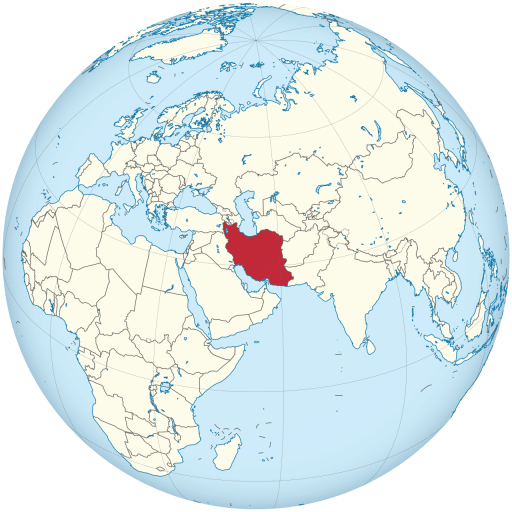
Iran is electing their next president. Does it matter?
What happened:
After President Ebrahim Raesi's sudden death in a helicopter crash last month, Iran is looking for a new president. The top contenders? Saeed Jalili and Masoud Pezeshkian. They're heading into a run-off election on July 5, Bloomberg reports.
Why this matters:
Iran is in a tough spot right now: political unrest, economic troubles, and tension with the West over its nuclear program. The stakes are really high. Plus, there's potential conflict between Israel and Lebanon adding to the mix. Amwaj reports crazy high inflation, making life for the average citizen difficult to manage. With sanctions from the US and EU, people aren't holding their breath for big changes.
Tell me more:
The Guardian Council initially picked six male candidates from a pool of 80, including one Reformist and five Conservatives, but some dropped out. No candidate got more than 50% of the vote in the first round last week, so there will be a run-off election this Friday on July 5. The two main contenders are: Massoud Pezeshkian and Saeed Jalili.
- Details:The Guardian Council is a group of 12 people that oversees the elections and approves who can run for president in Iran. Half of them are picked by the Supreme Leader, and the other half by the parliament. This group decides who is allowed to be a candidate, but their process is not very open and usually aligns with the Supreme Leader's views. Women can apply, but none have ever been approved to run by the Guardian Council.
- Did you know? In the first round of the election, only about 40% of some 60 million eligible voters showed up, which is a record low for an Iranian presidential race. Analysts talking to Al Jazeera think this low turnout is people's way of protesting against the government, which they blame for economic problems and lack of freedoms.
Who is Massoud Pezeshkian?
Massoud Pezeshkian is an Azeri 69-year-old heart surgeon from Mahabad and a member of the Iranian parliament. He used to be the Minister of Health between 2001 and 2005 under President Khatami.
- What's his experience? He's currently a representative for Tabriz, Osku and Azarshahr (the biggest electoral district in the East Azerbaijan Province) in the Iranian parliament and has been quite active in advocating for reforms.
- What does he stand for? He supports reviving the 2015 nuclear deal, which aimed to limit Iran's nuclear program in exchange for lifting economic sanctions. This deal fell apart when the US pulled out in 2018 under President Trump.
- Interesting fact: He's known for his outspoken criticism of hardline policies, including actions by the "morality police" against women, as per IranWire.
Who is Saeed Jalili?
Saeed Jalili is a former nuclear negotiator and a well-known conservative figure in Iranian politics.
- What's his experience? He has been involved in many high-profile negotiations, especially related to Iran's nuclear program.
- What does he stand for? Jalili is an ultraconservative. He argues that Iran's economy can survive and even thrive without engaging with Western countries, focusing instead on alliances with Russia and China.
What is the role of Iran's president?
The president of Iran is like the second-in-command, writes the New York Times. He follows the orders of the Supreme Leader and gives him advice. Officially, he is in charge of running the government, which includes managing ministers and various departments. He has to report to the parliament and can choose his team of ministers, but parliament needs to approve his choices. If you're asking whether being president in Iran can get you court-side tickets to actual political leadership, yes and no. The president can influence government policies, but his power is limited. The Supreme Leader makes the most important decisions, especially about things like nuclear talks and foreign relations. So... to be continued.
East Asia
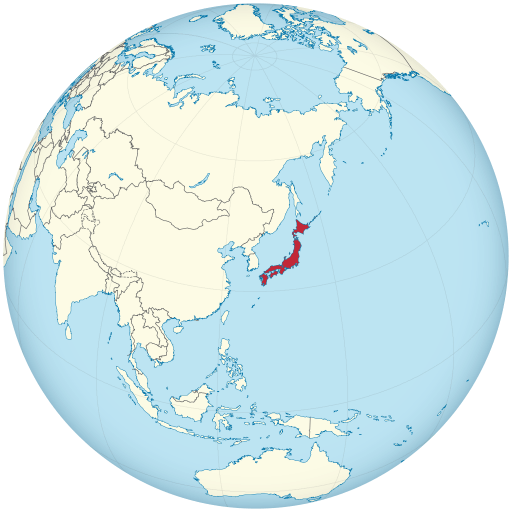
People in Japan are really angry with the U.S. military after two more sexual assault cases
What happened:
Recently, Japan protested to the U.S. Embassy over two sexual assault cases involving U.S. service members on Okinawa, writes Asia Times.
Why this matters:
Even after almost 80 years since World War II, Okinawa hosts most of the U.S. military facilities in Japan. There are about 54,000 U.S. troops stationed in Japan, with around 30,000 of them on Okinawa, making it one of the region's largest U.S. military bases. People in Okinawa are often upset about crimes committed by U.S. service members. These incidents have caused a lot of frustration and anger among the locals.
Tell me more:
These cases were only made public recently.
Here's what's known so far:
- Case 1: An Air Force member is accused of assaulting a girl under the age of 16 in December. The man has since been indicted, reports Kyodo News.
- Case 2: A Marine is accused of assaulting a 21-year-old woman in May. Japanese prosecutors on June 17 indicted the man on charge of trying to sexually assault and injuring the young woman, writes South China Morning Post.
Local authorities have been handling the cases quietly, respecting the privacy of the victims.
What's the reactions been like?
The Japanese government expressed serious concern and...
Please log in or subscribe for free to continue reading this issue.
We could use your help to make this issue better. Take a look at the requests below and consider contributing:
- Submit a piece of artwork for this issue
- Submit a news, academic or other type of link to offer additional context to this issue
- Suggest a related topic or source for future issues
- Fix a typo, grammatical mistake or inaccuracy
Below you'll find some of the sources used for this issue. Only sources that support "media embedding" are included.
-
Barely two months into 2024, there are strong indications that Iran will face major challenges in sustaining a reasonable economic development path this year. The economy desperately needs investment, but there are only limited prospects of the latter given the continuation of harsh US sanctions and low odds of a diplomatic breakthrough with the west. Moreover, the Ebrahim Raisi administration’s new budget does not generate confidence that the state will be able to provide sufficient resources for the economy to thrive. In fact, many of the projections for revenue based on the draft budget for the coming Iranian year (Mar. 2024-Mar. 2025) do not...
-
Six candidates have been cleared to run in this month’s presidential election.
-
Although another American serviceman has been charged with sexual assault in Okinawa, provoking outrage among the local population and putting the large
-
Naha prosecutors have indicted a U.S. Air Force member in Okinawa Prefecture for allegedly sexually assaulting and kidnapping a girl under the age of 16 in December, local authorities said Tuesday, with this latest incident involving military personnel likely to further inflame local opposition to their presence.
-
The delay in informing the prefectural government could further strain the relationship between Okinawa and Tokyo.
-
The case is likely to stoke the long-standing local opposition to US military presence.
-
Au lendemain de la prise de Kanyabayonga par le M23, la quasi-totalité de la population quitte la cité | Radio OkapiAu lendemain de la prise de la commune rurale de Kanyabayonga par les rebelles du M23, la cité s'est presque vidée de ses habitants. Selon la société civile locale et l'administrateur du territoire de Lubero qui confirment l'information, entre 5 et 10% seulement des habitants y vivent encore.
-
Country marks three days of national mourning after deadly ambush of security forces in rebellion-hit region.
-
President Volodymyr Zelensky signed a law on June 26 establishing English as an official language of international communication in Ukraine, according to the Ukrainian parliament's website.
-
The moon program is part of a growing rivalry with the U.S. — still the leader in space exploration — and others, including Japan and India.
-
Adult cats were released into national park last year after British population had come close to extinction
-
Maldives environment minister Fathima Shamnaz Ali Saleem, and three others, were arrested for allegedly performing ‘black magic’ on President Mohamed Muizzu. | World News
Each week, What Happened Last Week curates news and perspectives from Asia, Africa, and the Americas. The newsletter is written by Sham Jaff and focuses on stories that rarely receive sustained attention in Western media.
Read the free edition every week. VIP subscribers receive additional stories, recommendations on what to watch, read and listen, and more.