

In this issue, I'm highlighting some fantastic wins for LGBTQ+ rights in Namibia and Thailand, and children's rights in Sierra Leone. I'm going to be honest, writing this issue was a bit tough. Last week saw many climate-related deaths worldwide. Covering these climate impacts regularly takes a mental toll on me. My way of coping is to hunt for positive and progressive stories. They might not balance everything out, but they give me a different perspective on the world.
In this issue, you'll also find a hopeful piece about how people in Syria are managing dental care during the civil war (spoiler: they aren't really, but there's a lot of love and generosity involved). There's an emotional music video celebrating the friendship between two children from Palestine and Sudan, and a powerful movie about the lives of people left behind by migrants, set in Senegal. And there's much more.
Namibia court says laws banning gay sex unconstitutional
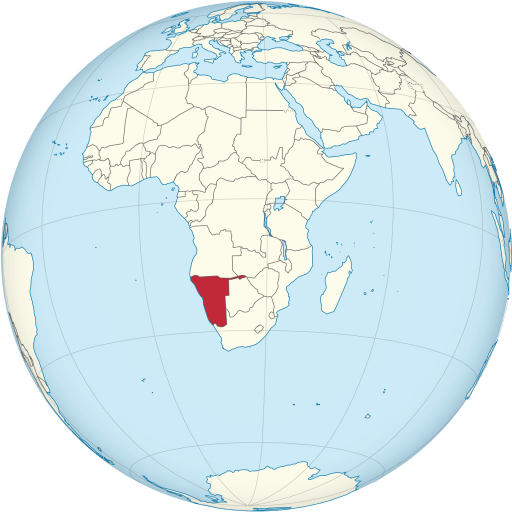
What happened:
Big news from Namibia! The Namibian reports that the High Court has just ruled that two old colonial-era laws that criminalized sex between men are unconstitutional.
Why this matters:
This is a massive win for the LGBTQ+ community in Namibia and beyond. Even though convictions under these laws were rare, they have long perpetuated discrimination and fear among gay men in the country.
Tell me more:
The case that sparked this change was filed in June 2022 by Namibian activist Friedel Dausab, with backing from the UK-based Human Dignity Trust. The High Court in Windhoek declared the common law offense of sodomy unconstitutional, as well as the law banning "unnatural sexual offenses." Dausab expressed relief, saying, "Because of this decision, I no longer feel like a criminal on the run in my own country simply because of who I am." The judges at the court said that calling homosexuality "an abominable vice" is just based on prejudice and personal dislike. They noted that most people can't really explain why they hold such views and often just repeat what their neighbors say.
- Details: The Human Dignity Trust offers a comprehensive overview of the case, detailing Dausab's arguments against these outdated laws.
What did the government say to this rule?
Attorney General Festus Mbandeka opposed Dausab's application on behalf of the government. In an affidavit filed at the High Court, Mbandeka stated that public opinion in Namibia hasn't yet reached a point where people, through their elected representatives, have decided to repeal laws against homosexual conduct. He also argued that the Constitution's article on equality and freedom from discrimination does not specifically include sexual orientation as a protected ground.
Where do these laws actually come from?
Namibia inherited these laws when it gained independence from South Africa in 1990. Originally, same-sex acts between men were criminalized under Roman-Dutch common law during colonial rule. Interestingly, South Africa has since decriminalized same-sex sexual activity and is the only African country that allows LGBTQ+ couples to marry, enter civil unions, and adopt children.
How are LGBTQ+ people being treated in Namibia?
In Namibia, LGBTQ+ rights are slowly improving, but there are still many hurdles, as Amnesty International writes. The Supreme Court recently ruled that same-sex marriages performed abroad must be recognized for immigration purposes, meaning same-sex spouses can live in Namibia just like opposite-sex spouses. However, same-sex marriages still can't be performed in Namibia, and there's no clear law protecting against discrimination based on sexual orientation.
In June 2023, Namibia's parliament passed two strict bills defining marriage as only between a man and a woman. These bills also discriminate against trans people and criminalize supporting same-sex unions with heavy fines and prison time. Activists say that police have been cracking down on LGBTQ+ gatherings while allowing religious ones. Amnesty International has reported an increase in cyber-attacks and harassment against LGBTQ+ people, especially before the 2024 elections.
What's the status quo on LGBTQ+ rights in Africa?
Out of Africa's 54 countries, 22 have legalized same-sex relationships. South Africa leads the pack, legalizing same-sex marriage in 2006 and allowing civil unions and adoption for LGBTQ+ couples. Lesotho decriminalized same-sex relationships in 2012, enhancing access to HIV prevention and treatment. Mozambique followed in 2015, scrapping a colonial-era law against "vices against nature." Seychelles updated its penal code in 2016 to decriminalize same-sex acts. Botswana's High Court overturned old laws in 2019, while Gabon reversed its criminalization in 2020. Angola joined in 2021, replacing colonial-era laws and punishing discrimination based on sexual orientation. Recently, Mauritius decriminalized same-sex relationships in October 2023. These changes signal a positive trend for LGBTQ+ rights in parts of Africa, even though significant challenges and widespread anti-LGBTQ+ sentiment remain.
To stay updated on LGBTQ+ rights in Africa, follow these activists and organizations on social media:
- EqualNamibia -- Focuses on LGBTQ+ news and voices from Namibia (X, Instagram) (They're so under-followed. Feel welcome to share their joy and pride with your followers this Pride Month.)
- Frank Mugisha - A prominent LGBTQ+ activist from Uganda, known for his advocacy and leadership in the LGBTQ+ community. (X)
- Bisi Alimi - Nigerian LGBTQ+ rights activist, public speaker, and founder of the Bisi Alimi Foundation. (Instagram)
- OutRight Action International - Works at a global level to advance the human rights of LGBTQ+ people. (Instagram)
- The Initiative for Equal Rights (TIERs) - Nigerian organization focusing on promoting and protecting the rights of sexual minorities. (X)
- Pan Africa ILGA (International Lesbian, Gay, Bisexual, Trans and Intersex Association) - Works on the continent to coordinate LGBTQ+ advocacy efforts. (X)
Sierra Leone just made child marriage a crime
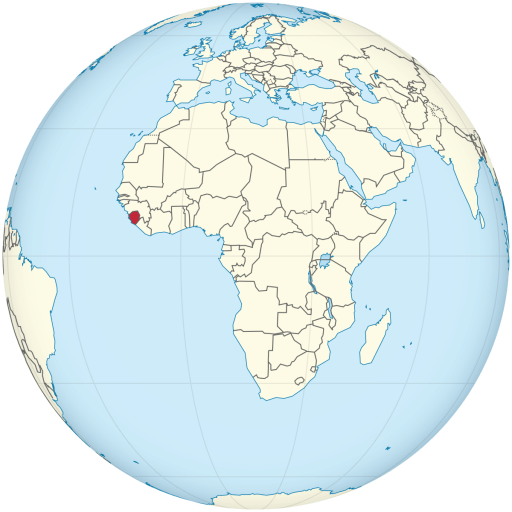
What happened:
Africanews reports that Sierra Leone's parliament has approved a law banning child marriage in a development.
Why this matters:
This is a major win for children's rights. Child marriage has been one of the biggest problems in Central Western and Central African nations. Sierra Leone has one of the highest child marriage, early pregnancy and maternal mortality rates in the world, with about one-third of girls married before the age of 18 and another third giving birth before the age of 19, according to the country's Ministry of Health. According to UNICEF, Sierra Leone itself is home to 800,000 child brides, 400,000 of whom were married before age 15, the UN body says.
Tell me more:
The law criminalizes marrying girls under 18 years of age. It also prescribes jail terms of up to 15 years for offenders. Sierra Leone's First Lady H. E. Fatima Maada Bio, who managed to escape becoming a teenage bride herself, said in a post on X, "Sierra Leone's Parliament today unanimously passed the Prohibition of Child Marriage Bill 2024, a crucial piece of legislation that I championed. I extended my sincere appreciation to the CSO, the Child Right Coalition, the Police Wives Association, The Military wives association, Save the Children, the Ministry of Education, the school going children and teachers present in parliament and the He-For-She movement for their vital role in advocating for this legislation." Her flagship campaign "Hands Off Our Girls" has significantly reduced sexual and gender-based violence...
Please log in or subscribe for free to continue reading this issue.
We could use your help to make this issue better. Take a look at the requests below and consider contributing:
- Submit a piece of artwork for this issue
- Submit a news, academic or other type of link to offer additional context to this issue
- Suggest a related topic or source for future issues
- Fix a typo, grammatical mistake or inaccuracy
Below you'll find some of the sources used for this issue. Only sources that support "media embedding" are included.
-
The criminalisation of sexual acts between men in Namibia was declared unconstitutional and invalid by the High Court in a landmark judgement on Friday. The common […]
-
Namibia: Ensure safety of LGBTI persons amid High Court verdict in “sodomy” case | Amnistia Internacional | VenezuelaWe work for a world in which all people can enjoy their human rights. Amnesty International is a global movement of more than 8 million people in more than 150 countries and territories, working to end human rights abuses.
-
-
Old Portuguese colonial laws removed in victory for gay rights campaigners
-
Parliament voted Wednesday to decriminalize same-sex acts in country.
-
The High Court in Botswana ruled on June 11, 2019 that laws criminalizing consensual same-sex relations were unconstitutional, Human Rights Watch said today.
-
Angola has finally shed the divisive “vices against nature” provision in its law, widely interpreted to be a ban on homosexual conduct. Taking things one step further, the government has also prohibited discrimination against people on the basis of sexual orientation.
-
The island nation's highest court says the ban on gay sex does not reflect "indigenous values".
-
The law criminalizes marrying girls under 18 years of age. It also prescribes jail terms of up to 15 years for offenders. One-third of all girls are married before their 18th birthday in the west African country, according to UNICEF
-
Despite significant progress, we need to go 20 times faster to end child marriage by 2030, shows new data - Girls Not BridesThis week’s launch of UNICEF data on child marriage demonstrates that progress is possible, with countries from a variety of settings sharing common threads including improvements in economic development, poverty reduction, access to employment – and educational attainment at the secondary level for girls. Each region in the world has a positive example of acceleration that we can learn from.
-
Extensive flooding has stranded about 1.8 million people in northeast Bangladesh, following weeks of heavy rains that have submerged homes and devastated farmland, according to state media and humanitarian agencies.
-
’Unregistered’ pilgrims "were locked out" of AC mosques and left to walk for hours in the sun, raising questions about the future of Hajj in a warming world.
-
Heavy rains and floods killed 21 people and affected over 6,000 since the end of May, a public official announced on Thursday evening. 8 people died by drowning and 13 after their homes collapsed, the Director General of Civil Protection of Niger, Colonel Boubacar Bako, said on national television.
-
Christian Tein stands accused of "organized crime" following the police operation that comes after the unrest in May that led to several deaths.
-
A report by Human Rights Watch has said China changed the names of villages inhabited by Uyghur people and other minorities to generic terms. This included 3,600 villages in the western region of Xinjiang.
-
The Tajik parliament's upper chamber, the Majlisi Milli, approved a bill on June 19 banning "alien garments" and children's celebrations for two major Islamic holidays -- Eid al-Fitr and Eid Al-Adha, known as idgardak.
-
The outgoing Dutch PM has been confirmed after seven months of campaigning.
-
UN report from January cited ‘credible’ evidence outside forces may be arming paramilitary.
-
Rwanda, Luxembourg partner to combat deforestation
-
English Heritage chief executive Dr Nick Merriman said there appeared to be "no visible damage".
-
The Iberian lynx is now classed as "vulnerable" as numbers surge due to conservation efforts.
-
Thailand's approach to LGBTQ+ rights, from urban inclusivity to rural challenges, reveals a complex and evolving landscape.
-
As dental care changes from a right to luxury in the eyes of Syrians, several groups of dentists have started initiatives to treat those suffering in silence.
-
Louisiana public schools are now required to display the Ten Commandments in all classrooms, after Republican Gov. Jeff Landry signed the requirement into law Wednesday.
Each week, What Happened Last Week curates news and perspectives from Asia, Africa, and the Americas. The newsletter is written by Sham Jaff and focuses on stories that rarely receive sustained attention in Western media.
Read the free edition every week. VIP subscribers receive additional stories, recommendations on what to watch, read and listen, and more.