

In this issue, I'm all about the climate, 'cause, wow, this past week's headlines were depressing. This issue takes you to several places in the world, from Venezuela to Thailand, Papua New Guinea and India. All over the world, we're witnessing the effects of the planet warming up, and of course, the so-called 'Global South' feels it first. Venezuela lost all of its glaciers, and Thailand's coral reefs near its eastern coast are bleaching. Plus, I've checked out some of the winners of a few literary and film prizes, so we're all updated on what's hot. For example, I'm feeling the FOMOs about a Romanian absurdist novel, a Chinese film about an ex-prisoner and a dog in the desert, and the first Saudi movie in the Cannes calendar. So much to see, watch and listen to, so little time. Can I add a few more centuries to my life, please?
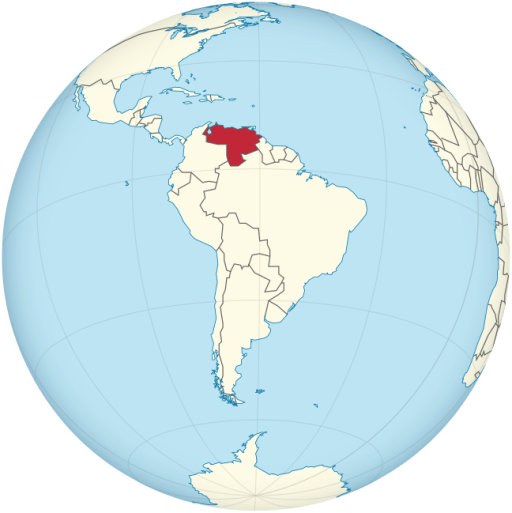
Venezuela is the first Andean country to lose all its glaciers
What happened:
Venezuela's Sierra Nevada region was famous for having six glaciers. These icy giants were a big deal locally, both as a natural spectacle and a cultural icon. As Albinson Linares reported for Noticias Telemundo, they're all gone now. The last one standing, the Humboldt Glacier, got so small that it doesn't even count as a glacier anymore, according to the International Climate and Cryosphere Initiative (ICCI).
Why this matters:
When glaciers melt, they add to the rising sea levels around the world. Scientists are highlighting a pretty big deal here---the Humboldt Glacier vanishing means Venezuela is the first Andean country to lose all its glaciers, thanks to climate change and maybe some help from El Niño, which warms things up. A 2023 study looked at over 215,000 glaciers worldwide and found that if things keep heating up, 83% of them could be history by 2100.
Tell me more:
Glaciers are these huge chunks of ice that build up from layers of snow over hundreds of years. Normally, they need the winter snow to not fully melt in warmer months to stick around. But with the planet heating up, glaciers like Humboldt keep getting smaller. From 1952 to 2019, Venezuela's glaciers shrank from 2,317 square kilometers to barely 0.046 square kilometers, based on a 2020 study. Locally, losing the glaciers is a big emotional blow. They're not just ice; they're part of what makes the community proud and beautiful. Even as they shrink, they remain a part of local identity as long as there's a bit of ice left, with stories often featuring mythical white eagles.
Did you know?
The mountains are part of the regional identity and the origin of various legends in the area that relate them to mythical white eagles.
What now?
Researchers are pretty keen on figuring out what happens after a glacier goes away. They're looking into how nature takes over these once icy areas, starting with simple life like lichens and moving up to plants and animals. This whole process is called primary succession.
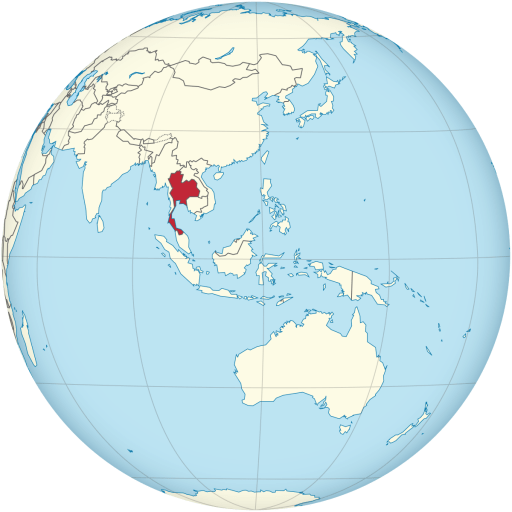
Almost all the coral species in eastern Thailand have bleached
What happened:
The sea near Thailand is super hot right now because of a big heatwave there. This is messing up a lot of sea life, especially the coral reefs in the Eastern Gulf of Thailand.
Why this matters:
Scientists say we're in the middle of a huge coral bleaching event---only the fourth one we've known globally. Coral reefs have been cut in half since the 1950s because of climate change. If the planet heats up just a bit more, we might lose up to 90% of them. That's pretty much where we're at now.
Tell me more:
Right now, the Eastern Gulf of Thailand has water temperatures around 32.73°C (nearly 91°F), which is really warm. Lalita Putchim, a marine biologist, found that almost all the coral species there are bleached, and in the Trat archipelago, 30% of coral life is bleaching, with 5% already dead.
What are corals?
Corals are these colorful underwater creatures that live about five meters deep. They're turning white because the water's too hot, and this is called coral bleaching. It's a really bad sign because it means the corals are basically starving. They usually live in a give-and-take relationship with algae, which feed them and give them their color. When corals bleach, they lose these algae and their source of food. Beyond looking pretty, corals are super important---they protect coastlines, provide homes for loads of marine life, and support fishing and tourism industries.
What now?
Well, the bleaching corals in the Eastern Gulf of Thailand are already bad news for local fishermen. They're catching fewer fish and making less money because fish need healthy corals to live around. Before, some fishermen could make up to 10,000 baht a day, but now some days they catch nothing. If the water doesn't cool down soon, even more corals will die, which means less fish and higher seafood prices.
Good to know:
atchar Duangklad is a prominent Thai journalist and a business developer and co-founder of PunchUp, a media house in Thailand. One PunchUp project, "Encroaching Forests and Encroaching People," reported on the Thai government's deforestation policies. The project used forest area data, government reports, and forest reclamation cases to reveal that over just two years --- 2014 and 2015 --- the government's policies had resulted in...
Please log in or subscribe for free to continue reading this issue.
We could use your help to make this issue better. Take a look at the requests below and consider contributing:
- Submit a piece of artwork for this issue
- Submit a news, academic or other type of link to offer additional context to this issue
- Suggest a related topic or source for future issues
- Fix a typo, grammatical mistake or inaccuracy
Below you'll find some of the sources used for this issue. Only sources that support "media embedding" are included.
-
Glaciers are melting more rapidly than expected due to global warming.
-
The International Organization for Migration has increased its estimate of the death toll from a massive landslide in Papua New Guinea to more than 670.
-
Parts of northern India are experiencing a brutal heatwave, with temperatures crossing 48C.
-
An Afghan contractor who worked for the US military was killed by the Taliban after appearing in an Emmy-winning documentary despite warnings it would endanger him, according to a report.
-
The military manoeuvres come three days after William Lai was sworn in as Taiwan's president.
-
Military government chief’s victory in presidential polls prompts Succes Masra to resign from transitional post.
-
The recent major leadership reshuffle in the one-party state follows an anti-corruption campaign led by Communist Party General Secretary Nguyen Phu Trong that led to the ouster of the last president.
-
The United Nations Security Council has voted against a resolution introduced by Russia and China that would ban member states from placing weapons of any kind in outer space.
-
Constitutional Court says 2021 contempt of court conviction disqualifies former president for May 29 election.
-
(KPL/VNA) Senator Francis Escudero was elected as the new President of the Philippine Senate on May 20, replacing Senator Juan Miguel Zubiri who has just announced his resignation.
-
The supreme leader also appoints nuclear negotiator Ali Bagheri Kani as acting FM and announces five days of mourning.
-
Lai takes over as leader as Beijing aggressively asserts its claim over the self-governed island of 23 million people.
-
The Federal Administrative Court rejected arguments that Bimbo stands for the word Toddler.
-
General Assembly votes to create memorial day despite fierce opposition from Bosnian Serbs and Serbia.
-
It means Mr Assange can remain in the UK for now and challenge US assurances over his prospective trial.
-
The Japanese government is considering fully covering expenses for child delivery under the public medical insurance system from fiscal 2026, in its latest effort to battle declining births, sources familiar with the matter said Tuesday.
-
Read 1,417 reviews from the world’s largest community for readers. A highly-acclaimed masterwork of fiction from Mircea Cărtărescu, author of Blinding: an …
-
Cărtărescu’s novel Solenoid, translated by Sean Cotter, was described by judges as ‘wildly inventive with passages of great beauty’
-
Xavier Dolan's jury picked Chinese director Guan Hu's crime drama 'Black Dog' as the best film in this year's Cannes Un Certain Regard selection.
-
Souleymane's Story: Directed by Boris Lojkine. With Abou Sangare, Alpha Oumar Sow, Nina Meurisse, Emmanuel Yovanie. A Paris food delivery cyclist and asylum seeker named Souleymane has two days to prepare his story for a make-or-break interview to secure legal residency.
-
On Becoming a Guinea Fowl: Directed by Rungano Nyoni. With Susan Chardy, Elizabeth Chisela, Roy Chisha, Blessings Bhamjee. On an empty road in the middle of the night, Shula stumbles across the body of her uncle. As funeral proceedings begin around them, she and her cousins bring to light the buried secrets of their middle-class Zambian family.
-
“Norah” is a deeply moving story about two soulmates who find each other and discover the driving creative forces within themselves.
-
The boppy propaganda tune extols Kim Jong Un as a "friendly father" and "great leader".
Each week, What Happened Last Week curates news and perspectives from Asia, Africa, and the Americas. The newsletter is written by Sham Jaff and focuses on stories that rarely receive sustained attention in Western media.
Read the free edition every week. VIP subscribers receive additional stories, recommendations on what to watch, read and listen, and more.