
In this issue, I'm paying closer attention to what the newly-elected president of Senegal and his freshly-picked cabinet are planning to do. The Panama Papers trial also finally began last week, and it's got me hoping for a little bit of justice, a bit of "yes, there will be consequences if you try and pay less taxes even if you can afford it tenfold." I know it's a moralistic issue for some. I'd love to know what you think. Reply to this mail. Plus, you'll find out what happens to journalists in Malawi when they report on corruption, what happens to female billionaires in Vietnam when they commit 'white collar crimes' and how to do a big solo road trip from London to Lagos as a woman. I recommend an article on Africa's space race, Singaporean interior design and I-Pop bangers, too -- and so much more.
What's Senegal's next government like?
What happened:
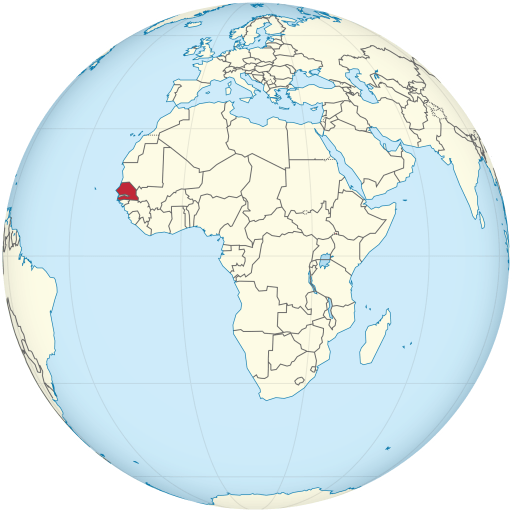
At 44, Bassirou Diomaye Faye has been sworn in as one of Africa's youngest elected presidents. He chose his political mentor, Ousmane Sonko, as the prime minister and introduced a new cabinet of 25 members, which includes only four women. They started their roles last week, kicking off their plan to make big changes in how the country is run.
Why this matters:
The newstelling of this election from a Western perspective is focused on how young Faye is, how "decolonial" this new government is/wants to be, but there's also another reality, that of Senegalese politics. Faye and Sonko won the presidency after a lot of people got frustrated with the old government, which struggled with high unemployment and growing inequality among Senegal's 18 million residents. They're also taking charge during a tough economic time, which has been made worse by global issues like the COVID-19 pandemic.
Tell me more:
The new government in Senegal is setting out to make some major changes. Here's what they say they will do:
- The new Finance Minister, Abdourahmane Sarr, aims to have more control over the country's natural resources and to reduce reliance on foreign countries, especially France. He pointed out that the country's debt is higher than average in sub-Saharan Africa, mainly because previous governments borrowed a lot to build infrastructure. Sarr said that moving forward, Senegal will look to strengthen its own policies and make partnerships that help them be more independent.
- Another big item on the new government's agenda is to make the country's central bank more independent. This bank handles the CFA-Franc, the currency for Senegal and seven other countries in West Africa, which is currently tied to the euro. Minister Sarr explained that for Senegal to develop its financial market, they need a more active role in their monetary policy.
- Also, the new minister for energy, oil, and mines, Biram Souleye Diop, mentioned that the government might renegotiate contracts in these areas to make sure they serve the public's interest, depending on the findings of a new audit that President Faye ordered right after taking office.
Fun fact:
French President Emmanuel Macron congratulates President Faye in Wolof on Twitter. Babacar Ndiaye, a senior fellow at the Timbuktu Institute in Dakar, sees this as part of France's efforts to improve relationships with its French-speaking partners, especially after facing setbacks in the Sahel region. France, so it seems, is paying close attention to Senegal's new push for more independence.
Wait. Just four women?!
Yes, and he's getting a lot of heat for it, too. Faye has been criticized not only for having just four women in the cabinet, he's also removed the words "women" and "child protection" from the erstwhile-named Ministry of Women, Family and Child Protection. Some Senegalese civil society groups published a criticism of the share of women ministers, demanding a stronger female presence in government.
Eight years later, the 'Panama Papers' trial has officially begun
What happened:
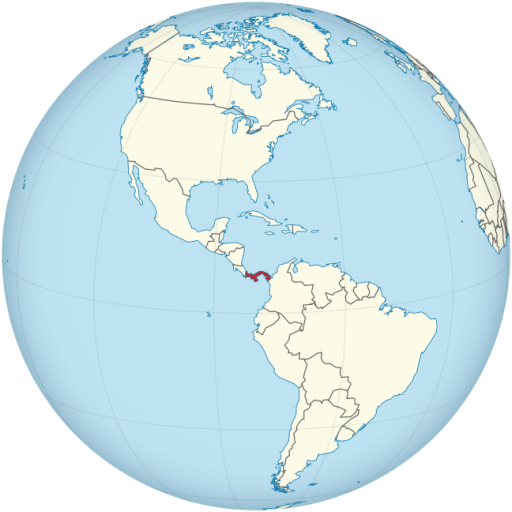
Last week, a court in Panama started a big trial involving 27 people working for the law firm at the heart of the so-called Panama Papers on money laundering charges.
Why this matters:
The Panama Papers was an investigation in 2016, which involved over 370 journalists analyzing 11.5 million documents from Mossack-Fonseca, a Panama-based law firm. This massive leak exposed how rich and powerful individuals used offshore bank accounts, so they don't have to pay much tax. This led to big shake-ups, like the Prime Minister of Iceland stepping down and Pakistan's Prime Minister getting kicked out of office. The Panama Papers were a watershed moment that significantly impacted public understanding and governmental approaches to financial secrecy and tax evasion worldwide. By 2021 more than US$1.36bn in fines and penalties for unpaid taxes were said to have been recovered by exchequers around the world.
- What's offshore banking? This redditor gave a perfect explanation using piggy banks and angry moms as metaphors, and to my surprise, it works super well.
Tell me more:
After several delays, the trial kicked off last week, spotlighting Mossack-Fonseca's owners, Jürgen Mossack and Ramón Fonseca, along with other former employees. Mossack attended the trial, while Fonseca was reportedly hospitalized. The court is examining whether the firm set up sham companies to launder money from Brazil's massive Car Wash corruption scandal, and will also delve into its alleged involvement in a bribery case with Siemens. If convicted, they reportedly face up to 12 years in prison. The trial, scheduled to run until April 26, is being broadcast...
Please log in or subscribe for free to continue reading this issue.
We could use your help to make this issue better. Take a look at the requests below and consider contributing:
- Submit a piece of artwork for this issue
- Submit a news, academic or other type of link to offer additional context to this issue
- Suggest a related topic or source for future issues
- Fix a typo, grammatical mistake or inaccuracy
Below you'll find some of the sources used for this issue. Only sources that support "media embedding" are included.
-
Senegal’s new government is pushing reforms ministers say will retool the country’s economy away from its decades-old reliance on foreign governments — especially France.
-
Five years after the Panama Papers were first published, authorities are still clawing back lost tax dollars and prosecuting wrongdoers exposed by the global investigation.
-
Twenty-seven people face money laundering charges in the long-delayed hearing at a courtroom in Panama’s Gil Ponce Palace of Justice.
-
Corruption investigations that started in Brazil ultimately triggered political upheaval across the continent. But the Brazilian taskforce’s methods have been questioned, including over alleged bias.
-
Panama Papers: Former Siemens executives apparently continued to use slush funds to serve their own interests.
-
As an attorney for the law firm at the heart of the Panama Papers was cleared in one case, the justice department announced a money laundering trial against 32 other defendants.
-
Los 27 imputados enfrentan cargos por presunto blanqueo de capitales, informó el Poder Judicial, y cada uno arriesga una condena máxima de 12 años de prisión, según la ley panameña.
-
The explosive, globe-spanning documentary with immediate and ongoing consequences that strikes at the heart of the biggest themes of our times; income inequality, whistleblowers, and corrupt power-brokers manipulating world governments and big business.
-
Kevin G. Hall, the Organized Crime and Corruption Reporting Project's North America editor, reflects on how the Panama Papers have shaped investigative journali
-
How do you sort through 11.5 million documents in the world's largest whistleblower leak? Very carefully.
-
Eighteen people were killed, two others injured and several others missing after a landslide struck South Sulawesi province in central Indonesia on late Saturday night.
-
Villages in El Abbasiya in South Kordofan have been left reeling after armed men, reportedly...
-
De Malinese junta verbood gisteren al tot nader order alle activiteiten van politieke partijen. Dit zou nodig zijn om de openbare orde te handhaven.
-
Truong My Lan started life as a market trader. Now, she has been convicted of stealing billions.
-
Two Nigerian brothers have pleaded guilty to sexually extorting teenage boys and young men in Michigan and across the country. U.S.
-
Scientist Marie Makuate wants more African countries to have their own satellites orbiting Earth.
-
Read Deadline's review of out of competition Venice Film Festival documentary Bobi Wine: Ghetto President
-
The Russian republic is said to have ruled that all music should "correspond to a tempo of 80 to 116 beats per minute" - meaning all western rave and techno music would be banned.
Each week, What Happened Last Week curates news and perspectives from Asia, Africa, and the Americas. The newsletter is written by Sham Jaff and focuses on stories that rarely receive sustained attention in Western media.
Read the free edition every week. VIP subscribers receive additional stories, recommendations on what to watch, read and listen, and more.