

This issue didn't mean to be so mean to the French, but they asked for it. My deep dives this week go to Peru (where they're likely going into political crisis mode over a Rolex watch and a Cartier bracelet) and to the DRC (a new report, once again, links cobalt mining to health issues in people living close to the areas where cobalt is being mined). Plus, I have some good LGBTQ+ news from Cuba and Thailand, a Nigerian swimmer's plan to raise awareness on mental health, an intro to Med Hondo, one of the founding fathers of African cinema and a new Aya Nakamura song that's a literal 'F*ck you' to France's far-right, so you can bring all of you to the Easter dinner party tonight and a North Korean TV's obsession with a white British man, and so much more.
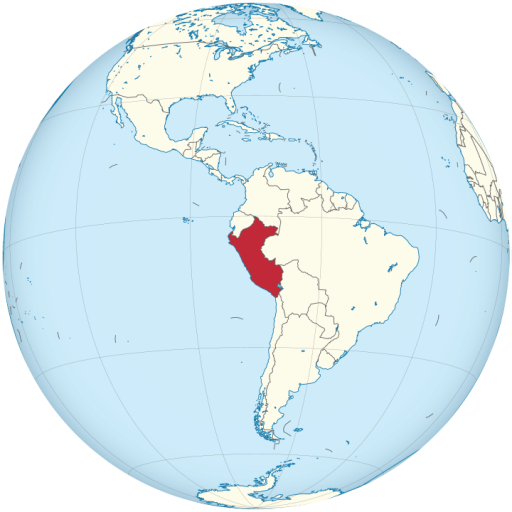
Peru is having its very own 'Let them eat cake' moment with a Rolex watch
What happened:
A Rolex watch is causing trouble in Peru. President Dina Boluarte's home was raided by police last weekend because recently there's been accusations by the press that she had illegally enriched herself during her presidency because, 'well, look at all the different Rolex watches she's started wearing since taking office. When have those been purchased?!'. Prosecutors suspect her of violating the country's laws against unlawful enrichment and failing to declare assets. 'I have a clean vest, and I will not resign until 2026,' Boluarte has said in response at a press conference since.
Why this matters:
Most people in Peru are very fed up with their government. Latest polls show an 82% disapproval rating for President Boluarte, and half of the country believes Peru is not a democracy anymore. There were protests when the last president was ousted and arrested (that's a whole other issue), and 49 people died during those. Some analysts write that no country in Latin America suffers higher rates of dissatisfaction with democracy and government institutions than Peru. The country has seen at least six presidents in the last decade, and this Rolex story (and, sadly, not that of the death of 49 protesters) has the potential to start yet another political crisis in the country. Peruvian political analyst Juan de la Puente already posted on X, 'the Dina administration is over.'
Tell me more:
Some 20 officials from the public prosecutor's office and 20 police raided President Boluarte's house last Friday night, and the palace on Saturday morning. She's called the raids a "disproportionate" measure and "abusive." Peruvian Prime Minister Gustavo Adrianzen also criticized the raids. "The political noise that is being made is serious, affecting investments and the entire country," he wrote on X. "What has happened in the last few hours is disproportionate and unconstitutional actions." Peruvian historian Joseph Dager is also appalled, 'the president personifies the nation. How could you raid her home?!' People working at the palace said that the raid was carried out "normally and without any incident."
Why all this fuss?
Two weeks ago, a report came out that got everyone curious, especially the country's prosecutors: Is Dina Boluarte corrupt? According to news outlet La Encerrona, President Boluarte has worn 14 different watches, including a Rolex, since she became Vice President during the administration of now-jailed former President Pedro Castillo (the Castillo chapter in Peruvian politics is such a juicy story). The investigation also revealed that during that period, while her monthly salary ranged from 30,000 to 16,000 soles (US$8,000 -- US$4,300), she wore watches like the Rolex, which is valued at US$14,000 in Peru. As the days went by, it was revealed that she also has a US$58,000 Cartier bracelet, according to another report by the newspaper La República. In Peru, the elected authorities must report to the government any assets worth more than 10,300 soles, or about US$2,774, and disclose any gifts received from third parties. Boluarte's response? 'Yes, I own a Rolex watch, but I bought it with money I earned since I was young'. This whole thing has become a controversy because the economy is flagging and hunger is growing in the country. The investigative news program Cuarto Poder reported that President Boluarte wore one Rolex model worth more than US$18,000 at an event in February to address poverty in vulnerable populations. This is like when Marie Antoinette was saying, 'let them eat cake' (which I have come to find out that she's never actually said that, but you get the point).
Who is Dina Boluarte?
She hasn't been elected to office by the people, but she has been in office since December 2022. She took over the presidency, following Castillo's ouster (he tried to dissolve Congress, which is unconstitutional; he's arrested now). At least 49 people were killed in the protests that followed; she's "apologized" for them last July. However, she also has staunch critics who accuse her government of leaning too much into authoritarianism because she doesn't really address demands for early elections and works with members of congress on laws that threaten to undermine the independence of Peru's judicial system.
What now?
Criminal lawyer Carlos Caro told news outlet RPP that Boluarte could face an investigation even with just a small sign of wrongdoing, because she is a public official, and that 'because the watches are quite valuable, if Boluarte bought them from a jewelry store or an authorized Rolex seller, those sellers are required to maintain sales records for 10 years according to anti-money laundering rules.' So far, the Public Ministry has requested copies of photographs and video records of the watches. They have also asked for information on travel expenses, salaries, among other things, and receipts from the president. For La República, journalist Doris Aguirre yesterday wrote that it was found at least one of the watches has been purchased in July 2023, when she was in fact already in office. So... things are not adding up. Political crises are nothing new in Peru, writes journalist Paola Ugaz. "Since 2016, no president in Peru has finished their five-year term", she writes in this article for ABC International. But this "latest crisis will further tarnish the image of the Peruvian presidency, with potentially significant political and economic implications," Benjamin Gedan, the director of the Wilson Center's Latin America Program, said in this interview with journalist Eléonore Hughes for AP. Given the economic struggles of many Peruvians, "allegations of corruption could be incendiary," Gedan added. Boluarte will testify to the prosecutor's office on April 5, Boluarte's lawyer told news outlet RPP. To be continued.
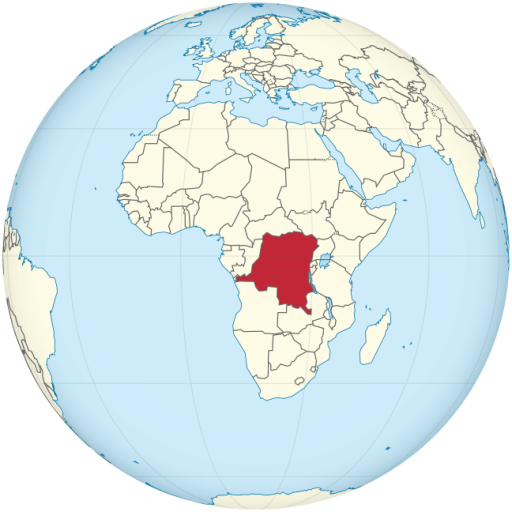
Cobalt mining is seriously harming women and girls in the DRC, another report says
What happened:
According to a new report by two human rights groups, more and more women and girls in cobalt-mining communities in the Democratic Republic of the Congo are having reproductive health problems such as miscarriages, infections, and birth defects.
Why this matters:
As the world goes gaga over green energy (hello, electric cars!), the demand for cobalt is shooting up. And wherever people are mining cobalt for companies, drinking water is contaminated. Yes, companies keep claiming that they comply with environmental standards, but the local water's (or whatever's left of it) still a toxic cocktail, impacting community health and day-to-day life.
Tell me more:
The report in question has been published by the UK-based human rights group Rights & Accountability in Development (RAID) and the Kinshasa-based NGO AFREWATCH and is one of the first in-depth studies of the environmental impacts of industrial cobalt mining on the human rights of hundreds of thousands of Congolese people living in and around Kolwezi, the heart of DRC's cobalt industry. The groups say there is a link between the reproductive health issues that these women face to...
Please log in or subscribe for free to continue reading this issue.
We could use your help to make this issue better. Take a look at the requests below and consider contributing:
- Submit a piece of artwork for this issue
- Submit a news, academic or other type of link to offer additional context to this issue
- Suggest a related topic or source for future issues
- Fix a typo, grammatical mistake or inaccuracy
Below you'll find some of the sources used for this issue. Only sources that support "media embedding" are included.
-
Boluarte's disapproval rating not only rose to a record 83% this month, but public rejection of her climbed above that of the unpopular congress (82%) for the first time, according to a survey
-
El insólito hecho ahonda la crisis política e institucional que azota al país desde 2016
-
Dina Boluarte y su joya Cartier: mandataria usa pulsera valorizada en más de 54 mil dólares | Ministerio Público | Fiscalía | Política | La RepúblicaDina Boluarte se ha negado a declarar a la Fiscalía. Ahora también deberá explicar la procedencia de las joyas de oro y diamante que utiliza en sus presentaciones públicas.
-
Dina Boluarte: "Basta con la sospecha inicial" para investigar presunto enriquecimiento ilícito, según Carlos CaroEn el marco de las indagaciones por el origen de sus lujosos relojes, el abogado penalista indicó en RPP que Dina Boluarte está sujeta a este tipo de investigaciones ante un mínimo indicio por ser funcionaria pública.
-
Diviac encontró, en casa de Boluarte, tarjeta de Rolex comprado en 2023 | Fiscalía | Ministerio Público | Política | La RepúblicaPresidenta declaró que el reloj Rolex que llevaba en la muñeca era “antiguo”; sin embargo, la tarjeta de propiedad encontrada en la residencia de la jefa de Estado señala que fue vendido el 8 de julio del año pasado y que el vendedor fue la Casa Banchero. Los agentes policiales rompieron la puerta porque el hijo de Boluarte no quiso permitirles el acceso.
-
En una carta dirigida al fiscal de la Nación, a través del estudio del abogado Mateo Castañeda, la mandataria pidió adelantar la toma de sus declaraciones "en vista de la turbulencia política" tras los allanamientos a su vivienda y a Palacio de Gobierno.
-
New investigation by RAID and AFREWATCH into toxic environmental pollution from industrial cobalt mining in the Democratic Republic of Congo (DRC) reveals devastating human rights impacts.
-
RAID is a UK-based NGO exposing corporate wrongdoing, environmental harm and human rights abuse. We partner with those harmed to hold companies to account through rigorous investigation, advocacy and the law.
-
The group were in a boat that capsized along a route used by people trying to reach the US.
-
Afghan regime’s return to public stoning and flogging is because there is ‘no one to hold them accountable’ for abuses, say activists
-
The killing of Camila Gómez triggered protests and a lynch mob in the southern city of Taxco.
-
A new drought has left millions facing hunger in southern Africa as they experience the effects of extreme weather that scientists say is becoming more frequent and more damaging.
-
South Africa's ex-president has backed a new party seeking to take on the governing ANC.
-
More than half of the borrowed words relate to cooking, while Kintsugi, the increasingly popular art of repairing broken pottery with gold lacquer is also included
-
Soaked survivors clung to hull overnight before being taken to safety by Indonesian rescue team
-
After the 1959 revolution, Cuba repressed gay people and many were sent to labor camps. But the communist-run island has made strides in recent years when it comes to LGBTQ+ rights.
-
Richard Brody on two New York revivals of the filmmaker Med Hondo’s work, which centered on French colonialism and how it has affected Africans for centuries.
-
Frida Kahlo's story has been told and retold, but there are still pieces left to divulge, as evidenced in the new Prime Video documentary 'Frida.'
-
New track features lyrics ‘It’s them that don’t like me’ after far-right backlash against idea she could cover Édith Piaf song
-
In Monkey Man, Dev Patel derives inspiration from familiar action films to create something refreshing and new.
-
North Korea’s state broadcaster, KCTV, has blurred out a pair of jeans worn by veteran British TV host Alan Titchmarsh as part of the country’s censorship of foreign fashion and culture.
Each week, What Happened Last Week curates news and perspectives from Asia, Africa, and the Americas. The newsletter is written by Sham Jaff and focuses on stories that rarely receive sustained attention in Western media.
Read the free edition every week. VIP subscribers receive additional stories, recommendations on what to watch, read and listen, and more.