

This issue brings you some good news from The Philippines and Senegal. In The Philippines, an extremely violent group that is responsible for kidnappings, suicide bombings and more, is on its way out and in Senegal, the much-awaited elections finally took place, where it's expected to be a close call between two generations. Plus, hand-picked recommendations that introduce you to an Armenian-Egyptian photographer that captured "Arab Hollywood's" biggest stars, a mini-series about feudal Japan and what it does to Western orientalist attitudes and India's most famous and recognizable voice in radio. Last week, an Iranian superstar died, and I'm paying tribute by sharing one of my favorite songs with you. Plus, news from 15+ other countries from the "Global South" to keep you updated (because, let's be honest, where else will you get this summary?).
The Philippines' "ISIS" is officially defeated, says army
What happened:
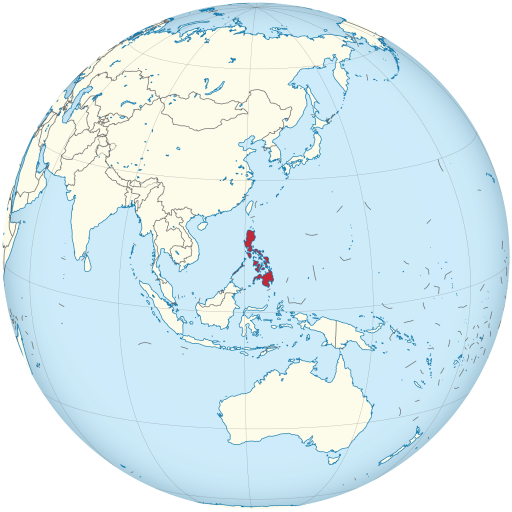
The curtain is finally drawing on Abu Sayyaf, one of the most violent jihadist groups in the southern Philippines. According to the Philippine military, the group has been "effectively dismantled", after 30 years of fighting with them.
Why this matters:
If true, this is a big win for peace in the Philippines, particularly for Mindanao, the second-largest island in the country and home to more than 20 million folks. Abu Sayyaf has links to both, al-Qaida and ISIS. The extremist group is well known for suicide bombings, kidnapping for ransom, and attacks on civilians and the army.
Tell me more:
The word from Westmincom, the folks in charge of military ops in western Mindanao, is that the Abu Sayyaf's bigwigs and key players have been all "neutralized" (and by "neutralized", we're talking about individuals being either captured, killed, or otherwise prevented from continuing, by any means necessary). A handful of members are still around in the Sulu and Basilan provinces, keeping their heads down. Efforts are underway to encourage them to surrender and reintegrate into society. However, some are skeptical about news of Abu Sayyaf being completely "dismantled" as there's been similar reports in the past.
What did the ASG do?
Oh, what did it not do? In 2004, it bombed a ferry in Manila Bay, killing 116 people -- the deadliest attack in the history of the country. In the last years, it has taken several people hostage -- Malaysian and Indonesian workers, Western tourists and one Filipina among them. Their endgame? Carving out an Islamic State in the southern Philippines. Founded in 1991 by Abdurajak Abubakar Janjalani, the group has its roots in the separatist insurgency there (the MNLF but they no longer talk to each other); the Mindanao island is quite an impoverished region where Muslims make up a majority of the population in contrast to the rest of the country, which is mainly Roman Catholic. Some say that the roots of Abu Sayyaf lie in the economic and political disparities between the south and other parts of the country. However, once boasting thousands of members, their numbers dwindled to less than 50 by 2021.
Details:
Journalists Sherbien Dacalanio, Alexis Bregere, Justin McCurry and Aruna Popuri for France24 last year visited the island of Jolo, once the group's capital but where Abu Sayyaf has been largely defeated today. The journalists talk to survivors and former child soldiers of Abu Sayyaf, and report on the army's program to help the group's ex-members reintegrate into society.
Dig deeper:
What is it like being taken hostage by the Abu Sayyaf? A former hostage who survived gave an interview to the National Post in 2017. Kjartan Sekkingstad, a Norwegian man, along with two Canadian men and a Filipina woman, were kidnapped for seven months. He talks about his time as a hostage, about how Norway and Canada had a 'we don't negotiate with terrorists' policy, and how he was finally released. It reads like a thriller, honestly. Out of the other hostages, only the Filipina woman made it out alive.
What now?
Experts also say that Abu Sayyaf is not the only "security challenge" in the Mindanao region. Local politicians allegedly are forming private armies. So, the plot thickens.
Here's your guide to the super important elections in Senegal
What happened:
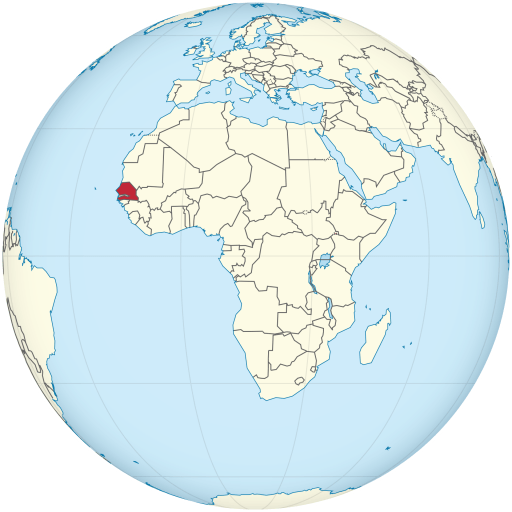
Yesterday, people in Senegal voted to elect the next president. When I finalized this issue yesterday, it was not announced who had won. But because you're a whlw reader, you should know the what and the who, so you can contextualize the results when they do get announced.
Why this matters:
It was an election that almost didn't happen and that got everyone worried about stability in this West African nation. BBC News' West Africa correspondent Mayeni Jones explains why. For starters, the country has never delayed elections before, never had a coup (in a region where coups are deemed almost 'normal') and rightly considers itself to be a paragon of West African democracy. Some seven million people in Senegal and in the diaspora were eligible to vote yesterday.
Tell me more:
To catch you up, now-President Macky Sall really wanted to hold onto power last year as he approached his second term in office. He almost went in for a third time, but widespread protests and the 'international community' (I'm having some trouble with this term, but I trust you know what I mean by it) made him stick to the plan and step down as per constitution. Then there was the whole dilemma with a very popular politician from the opposition, Ousmane Sonko, who was in and out of prison, facing multiple criminal charges that he claims are politically motivated. One of those charges stuck, and he was disqualified from running for office. Widespread protests...
Please log in or subscribe for free to continue reading this issue.
We could use your help to make this issue better. Take a look at the requests below and consider contributing:
- Submit a piece of artwork for this issue
- Submit a news, academic or other type of link to offer additional context to this issue
- Suggest a related topic or source for future issues
- Fix a typo, grammatical mistake or inaccuracy
Below you'll find some of the sources used for this issue. Only sources that support "media embedding" are included.
-
Abu Sayyaf Group leader Mudzrimar Sawadjaan is a terrorist, bomb expert, and the architect of various suicide bombings in Sulu Province
-
Analysts warn of emerging threats from politicians’ private armies and say Abu Sayyaf is still present in Sulu.
-
A bomb probably planted by the Abu Sayyaf caused the fire that sank the SuperFerry 14 and killed over 100 people last Feb. 27 in what could have been the country’s worst terrorist attack, President Arroyo told a press conference as the investigation into the tragedy concluded yesterday. Six of the al-Qaeda-linked militants have been charged with the bombing, which the government had initially rejected as an empty boast by the Abu Sayyaf to prop up its image. "We have solved the SuperFerry bombing," said Mrs. Arroyo, whose announcement marked the first 100 days of her new term. "Today, criminal charges were filed against the six perpetrators. These are the same people responsible for the Dos Palmas kidnapping." Three Americans, two of whom later died, and 17 Filipinos from the Palawan beach resort were abducted in 2001.
-
Eight years ago, Robert Hall and John Ridsdel were kidnapped and beheaded. Revisiting the brutal ordeal when Canada refused to negotiate.
-
Abu Sayyaf is one of the smallest and most violent jihadist groups in the southern Philippines, notorious for kidnapping for ransom.
-
Amid the president’s attempt to delay elections and protests by the opposition, how resilient is Senegal’s democracy?
-
AD711: Au centre des priorités des jeunes sénégalais : La gestion de l’économie, l’insécurité et l’emploi – AfrobarometerLe Sénégal est caractérisé par une forte croissance démographique de 2,5% par an et voit sa population doublée chaque quart de siècle (République du Sénégal, 2021). La moitié de la...
-
The Continent is an award-winning African newspaper, designed to be read and shared on WhatsApp.
-
Flags are flying at half mast after at least 137 people were killed at a packed venue outside Moscow.
-
Those who died were believed to be being smuggled through the desert to reach the Mediterranean coast.
-
The former general says 'give us a chance' as his rivals vow to contest the election result.
-
Vietnam President Vo Van Thuong resigned on Wednesday, according to a statement from the nation’s Communist Party, making him the latest senior official to step down amid widening probes into some of the country’s top leadership.
-
It marks the first indictment for the embattled far-right leader with others potentially in store.
-
Hundreds of people take to the streets in Santiago after being left in the dark for 14 hours.
-
If found guilty, Pritam Singh could face fines and possibly lose his seat.
-
Opvarenden klampten zich urenlang vast aan de omgeslagen boot. Lokale vissers en reddingswerkers hebben 69 mensen gered.
-
-
The former Brazil international was convicted in Italy for his part in a gang rape in 2013.
-
Van Leo rose to fame as one of the top studio photographers of the Arab world from the 1940s–1960s. A new exhibition taps into the cult of personality,…
-
Strap yourself in for a wild adventure in feudal Japan. This lavish adaptation of the classic samurai novel is beautiful, intellectual fare that amply rewards your full attention. But be warned: it’s gruesome from the get-go
Each week, What Happened Last Week curates news and perspectives from Asia, Africa, and the Americas. The newsletter is written by Sham Jaff and focuses on stories that rarely receive sustained attention in Western media.
Read the free edition every week. VIP subscribers receive additional stories, recommendations on what to watch, read and listen, and more.