

This issue is packed with good news. A high court in Japan ruled that the country has very conservative views on same-sex marriage, and Somalia's debt has shrunk by a lot-a alot (to understand what this means, I explain, or aim to explain, the current international economic order). Plus, I bring you an Indian maestro of love songs, a Brazilian feminist novel about women in the Amazon, a surreal Turkey comedy about... life?, a South Korean comedy about a woman that turns into a chicken nugget, the latest research on Nigeria's past, some good news from Senegal (they're having elections next week!), and so much more.
A high court in Japan ruled that 'the ban on same-sex marriage is unconstitutional'
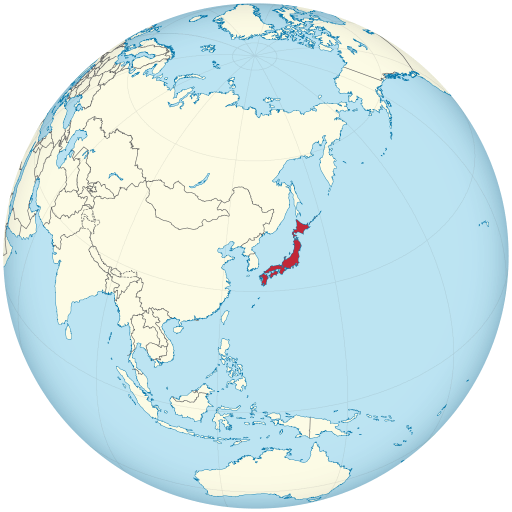
What happened:
On March 14, Tokyo's District Court and the Sapporo High Court separately made some big calls on two cases about same-sex marriage.
Why this matters:
This is a big deal because it's cranking up the heat on the government to step up its game in supporting sexual minorities. Right now, the country is pretty split on this issue, and it's causing a bit of a clash between the government, lower courts and what most people in Japan think. Even though polls show 70% public support for same-sex unions, the government, led by Prime Minister Kishida's party, isn't on the same page. Japan's the only G7 country that hasn't given the thumbs up to same-sex marriage or civil unions yet.
Tell me more:
I'll translate to non-legal English. Tokyo's court said that not allowing same-sex marriage is basically not cool because it messes with personal dignity and equality, which goes against Japan's Constitution. Then, the Sapporo court added their voice by saying, yep, this whole not recognizing same-sex marriage thing is against the Constitution, too. Amnesty International's East Asia Researcher Boram Jang said: "The court decisions today mark a significant step towards achieving marriage equality in Japan. The ruling in Sapporo, the first High Court decision on same-sex marriage in the country, emphatically shows the trend towards acceptance of same-sex marriage in Japan."
What about other court cases?
There's been a mix -- some courts say the ban is okay, while others don't agree. Different courts in places like Sapporo, Nagoya, Fukuoka, and Tokyo have been wrestling with this issue, with various outcomes.
What's the status quo now?
Japan's civil law and family registration law provisions are based on marriage between a man and a woman, giving them certain benefits that same-sex couples don't get, like inheritance rights, tax benefits and joint custody of children. However, some municipalities (like Tokyo) have issued partnership certificates to same-sex couples, even though they don't hold the same weight as marriage and are not legally binding. They do, however, get to enjoy some of the same public service benefits as heterosexual couples. The government's keeping an eye on future court decisions, and there's a sense that Japan might need to change its laws to keep up with the times and attract global talent.
Somalia's debt to the Paris Club went down by 99%
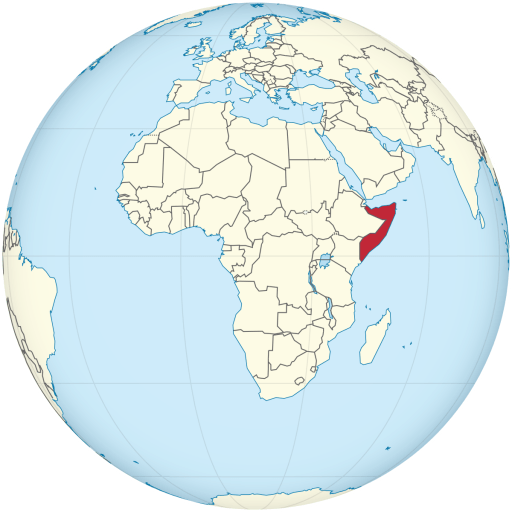
What happened:
Somalia owes a lot of debt to foreign countries and international financial institutions. Last week, the Paris Club, comprised of some of the world's richest nations (not an actual organization, more like an informal group of very rich countries which lend money to other countries), announced, 'we cancel 99% of all the debt Somalia owes us'.
Why this matters:
For 30 years, Somalia was largely cut off from international financial markets, meaning they couldn't borrow money or engage in other financial activities that countries typically do to grow their economies. Now, with this debt relief, Somalia can start to normalize those relations, opening up new opportunities for economic development and growth. Some 3.3 billion people are living in countries that spend more on debt payments than on education and health care.
Tell me more:
In a statement released by the Paris Club, which is run by senior officials from the French Treasury, the United States, United Kingdom, Russia, Norway, and Japan, announced the cancellation of US$2bn owed to club members as of January 2023. Some of that money was forgiven just because individual countries felt like being 'nice' to Somalia after all (this is an exaggeration), and the rest was 'forgiven' under the Heavily Indebted Poor Countries (HIPC) Initiative.
What's the HIPC Initiative?
The initiative is a program developed by the International Monetary Fund (IMF) and the World Bank. Its purpose is to help countries with very high levels of debt---so high that they can't manage them---to reduce their debt burdens. These debts are considered "unsustainable," meaning the country can't pay them back without harming its economic future or its citizens' well-being. Somalia qualified for this program in December, which was a significant step. By qualifying, Somalia became eligible to have up to US$4.5 billion of its debt forgiven or erased. That very month, when the announcement made headlines, the country's president, Hassan Sheikh Mohamud, wrote in a column for The Guardian, "Somalia's debt relief journey was no simple task; it took nearly a decade, three different administrations, two presidents and four finance ministers to attain debt relief from the boards of the World Bank and IMF on December 13. Debt relief is just the beginning of real change for Somalia."
How did Somalia fall into debt?
Somalia built up most of its debt during the time Siad Barre was in charge. He ran a military government from 1969 until it fell apart in 1991. During his rule, Somalia borrowed a lot of money from other countries and international organizations. After his government collapsed, Somalia couldn't pay back these loans, so the debt kept growing because of the added interest over the years. This means the amount they owed kept getting bigger even though they weren't borrowing more money, simply because they weren't able to pay back what they already owed.
What's the reaction been like?
Somalia's government is hyped. In a post on X, formerly Twitter, Somalia's finance minister, Bihi Egeh, said: "Achieving full debt relief will transform Somalia's future and allow our government to create fiscal space for basic public services." Somalia's information minister, Daud Aweis, said on X that the agreement marked a "big milestone in the country's journey to financial recovery". Kristalina Georgieva, who leads the IMF, said it's a big step forward for Somalia...
Please log in or subscribe for free to continue reading this issue.
We could use your help to make this issue better. Take a look at the requests below and consider contributing:
- Submit a piece of artwork for this issue
- Submit a news, academic or other type of link to offer additional context to this issue
- Suggest a related topic or source for future issues
- Fix a typo, grammatical mistake or inaccuracy
Below you'll find some of the sources used for this issue. Only sources that support "media embedding" are included.
-
This is the first such ruling by a high court in Japan in favor of plaintiffs challenging the ban.
-
Somalia has reached its debt relief milestone. Now the real work begins | Dr Hassan Sheikh Mohamud, president of Somalia | The GuardianAs Somalia secures $4.5bn of debt relief from the IMF and the World Bank, the country’s president outlines the decade-long path it took to reach this goal – and looks towards a better, if still difficult, future
-
Notre correspondant en RDC a été arrêté le 8 septembre 2023. Cela fait six mois qu’il est privé de liberté, poursuivi pour avoir fait son métier. Les collaborateurs de Jeune Afrique Media Group appellent à sa libération immédiate.
-
WFP races to preposition food in eastern Chad as funding crunch and looming rains threaten aid to Sudanese refugees | World Food ProgrammeN’DJAMENA – The United Nations World Food Programme (WFP) is today warning that life-saving programmes in Chad will grind to a halt in a matter of weeks without urgent funding. The stark warning comes as thousands of Sudanese refugees continue to stream across the border from Darfur, and as the rainy season looms, threatening to cut off road access for humanitarian deliveries to the camps in the east of the country – where around a million Sudanese refugees have sought shelter.
-
10 happiest countries in Africa according to the ‘Mental State of the World’ report | Business Insider Africa
-
Kenya's government puts deployment of police to Haiti on hold after chaos grips the Caribbean nation | AP NewsA Kenyan official says his government is halting plans to deploy at least 1,000 police officers to Haiti following the unprecedented violence that erupted in the Caribbean nation and the announcement by its Prime Minister Ariel Henry that he would resign once a presidential council is created.
-
Former Honduran President Juan Orlando Hernandez has been convicted in New York of conspiring with drug traffickers, his military and police to enable tons of cocaine to reach the United States.
-
The number of children who died before their fifth birthday has reached a historic low, dropping to 4.9 million in 2022, according to the latest estimates released today by the United Nations Inter-agency Group for Child Mortality Estimation (UN IGME).
-
New research on Ilorin in Nigeria provides insights into regional socio-political developments prior to the 19th century.
-
By Patrícia MeloTranslated from the Portuguese by Sophie Lewis Winner of the Grand Prix de l'Héroïne Madame Figaro 2024 in the category Best Foreign Novel Longlisted for the prestigious Prix Fémina 2023 in the category Best Foreign Novel Nominated for the Prix des libraires du Québec From best-selling Brazilian crime novelist Patrícia Melo comes a genre-defying tale of women in the Amazon and their reckoning with brutal oppression—by turns poetic, humorous, dark, and inspiring. Paperback • ISBN: 9781632063465 Publication date: Dec 5, 2023
-
The Netflix Turkish series A Round of Applause possesses the quality to remain etched in one’s memory for a while. At a time when content is generated every
-
Vice President Kamala Harris and rapper Fat Joe led a White House discussion March 15 on easing marijuana penalties.
Each week, What Happened Last Week curates news and perspectives from Asia, Africa, and the Americas. The newsletter is written by Sham Jaff and focuses on stories that rarely receive sustained attention in Western media.
Read the free edition every week. VIP subscribers receive additional stories, recommendations on what to watch, read and listen, and more.