

This issue is about Mexico and Uganda. Mexico, this year, will have the biggest elections ever, and it looks like the country will elect its very first female president (U.S., are you reading this?), and Uganda is in the process of healing from the Lord's Resistance Army. Some 50,000 of their victims are going to receive reparations by the International Criminal Court; this is the very first time this much money will be handed out to victims by the court. Plus, Nigeria's kidnapping problem, the state of journalism in Ethiopia, Iran's human rights practices, India's big tech plans, South Africa's innovative water-saving method, Chinese wines, South Korean movies about North Korea, an entire book about the history of Bollywood (and a Spotify playlist to go along with it), and so much more.
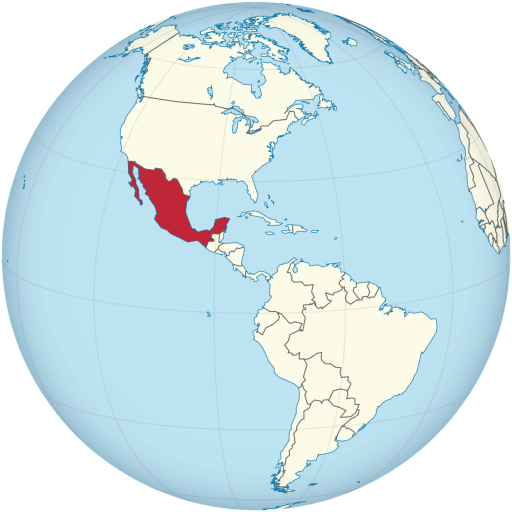
Mexico is about to have its biggest election ever. Here's what to know
What happened:
Mexico's gearing up for a big election on June 2, 2024. The official campaign season started on March 1. Everyone's focused on who's going to replace President Andrés Manuel López Obrador (aka AMLO) when his term ends. This time, it's pretty likely that Mexico will get its first female president because the leading candidates are women.
Why this matters:
This election is massive, with voters deciding on the president, 628 seats in Congress (which includes both senators and congressional representatives),and thousands of local positions. It's happening across all 32 jurisdictions of Mexico, making it the largest election in the country's history, according to the National Electoral Institute. Plus, the idea of possibly having a female president is a big deal in Mexico, where there's a strong male-dominated culture and where gender inequality and violence against women are major issues. This could be (doesn't mean it automatically is) a big step toward addressing these problems.
Who's in the lead?
Claudia Sheinbaum, the former mayor of Mexico City, is the favorite right now. She's from AMLO's party (Morena) and has about 59% support in the polls. She's competing against Xóchitl Gálvez from the opposition, who has around 36% support, and Jorge Álvarez Máynez, who's not as well-known and trails behind. For further reading, Americas Quarterly has a 'Meet the Candidates' deep dive here, and El País's Carmen Morán Breña is taking a closer look at the new dynamic in North America here.
What are people talking about?
There are a few big issues on the table:
- Violence and Security: There's been a lot of violence, especially from cartels, and people are worried about safety.
- Election Concerns: Some folks are protesting changes to election laws, worried about democracy.
- Economy: With inflation and economic challenges, many want a leader who'll look out for the working class.
- Migration: This is a hot topic because of the number of migrants passing through Mexico to the U.S., and Mexico's next president will have big decisions to make about how to handle this.
For further reading, Associated Press goes into some key issues here.
Zoom out:
There are a lot of new kids on the bloc in The Americas as populism is making a bit of a comeback there. For example, Nayib Bukele in El Salvador just got reelected by a huge margin. He's pretty tough on crime and does things his own way. Then there's Javier Milei in Argentina, who's all about "freedom" and doing things differently from the usual politicians. A victory for the Morena party (the Mexican 'new kid on the bloc'; founded in 2014 by AMLO) on June 2 could entrench populism for 12 years in the country, essentially reviving the old idea of a charismatic, nationalist, hand-out regime asthe party in power. Over in Hungary, they've had a populist leader for about 15 years. You'd be mistaken if you think, 'woah, that's a long time.' Mexico takes the cake, as it once had a party (the PRI) that ruled for 71 years straight. That's actually a world record for sticking around in power. If you're interested in staying updated on all globally relevant elections this year, I think Semafor is doing a decent job monitoring here.
Good news in Uganda -- survivors of Lord's Resistance Army are granted reparations
What happened:
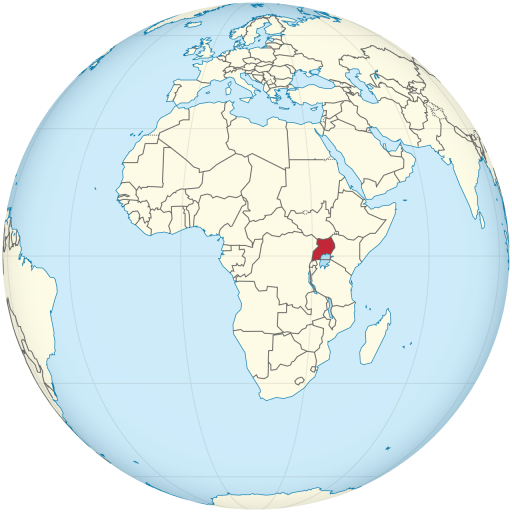
On February 28, the ICC at The Hague granted 52.4-million € in reparations to nearly 50,000 victims of rape, murder, and abduction -- crimes Dominic Ongwen was convicted of from his time in the Lord's Resistance Army (LRA). Ongwen is a Ugandan child soldier turned warlord. It's been a long wait---two decades since Ongwen committed the crimes.
Why this matters:
This action by the International Criminal Court (ICC) is unprecedented---it's their heftiest reparation mandate to date. It's a major acknowledgment and an attempt to mend the deep scars left on the victims.
Tell me more:
Ongwen, nailed for 61 crimes in 2021 from the early 2000s, saw his appeal knocked back in late 2022, clearing the path for this groundbreaking reparation ruling. Judge Bertram Schmitt pointed out the severe harm inflicted on thousands due to the "unimaginable atrocities" under Ongwen's command.
Who's the LRA again?
Under Jospeh Kony's lead (remember "Kony 2012"?), the LRA started its wave of violence in Uganda back in the '80s, later spreading chaos across neighboring nations. Ongwen, nabbed by the LRA at nine and morphed into a child soldier, climbed the ranks and led vicious assaults on civilians. Despite his own victimhood early on, the court held him fully responsible for his later actions. And what about Kony? The guy's still on the run, with 36 charges hanging over him, including some seriously nasty stuff. The ICC is mulling over a trial in his absence to push forward with justice.
- Btw, a public announcement for my German speakers, last week I talked about the "Kony 2012" hype in a new column I have in the FOMO podcast. Expect some whlw topics there every Tuesday this month. If it goes well, and you like it, I might stay.
What's the reparation plan?
The ICC is leaning towards collective, community-centric healing programs, given the massive number of victims pegged at about 49,772. These individuals, including ex-child soldiers and kids born from violence, are also slated to get individual symbolic payments, prioritizing a 750€ handout each, in recognition of their personal trials.
Who's picking up the tab?
Not Ongwen. Though liable, the guy's broke. So, the tab will be picked up by the ICC's trust fund for victims, bankrolled by its member states.
What now?...
Please log in or subscribe for free to continue reading this issue.
We could use your help to make this issue better. Take a look at the requests below and consider contributing:
- Submit a piece of artwork for this issue
- Submit a news, academic or other type of link to offer additional context to this issue
- Suggest a related topic or source for future issues
- Fix a typo, grammatical mistake or inaccuracy
Below you'll find some of the sources used for this issue. Only sources that support "media embedding" are included.
-
Mexico’s presidential elections will result in a woman holding the country’s highest office for the first time, while the once mighty Institutional Revolutionary Party (PRI) is on the verge of irrelevance | International | EL PAÍS EnglishAs the election campaign begins, the ruling party’s Claudia Sheinbaum has a strong lead. Her opponent Xóchitl Gálvez will have to take advantage of every opportunity and play catch-up
-
Mexico will hold the largest election in its history on June 2.
-
Mexico is almost certainly about to get its first woman president. Whoever wins, there’s a lot at stake: migration, anti-drug cooperation, the intertwined economies of the U.S. and Mexico, Latin American populism and even the fate of democracy in Mexico.
-
El Niño could break temperature records and lead to more extreme weather across the globe this year, according to new research.
-
Two mass abductions were the latest in a series of group kidnappings by gunmen
-
A French journalist has been detained in Ethiopia while visiting the country for a recent African Union summit.
-
Tehran’s shipments are further internationalizing the North African country’s civil war and potentially providing Tehran with a new ally through which to project power into the Red Sea.
-
Hiba Haj Aref was found dead in her home on Tuesday after receiving multiple death threats. Human rights organisations called on authorities to investigate.
-
The sentence, passed in absentia, is part of the country’s crackdown on opponents of president Kais Saied
-
Union telecom and IT minister Ashwini Vaishnaw announced that India will start manufacturing equipment for semiconductor manufacturing. Applied Materials' India Validation Centre, an investment of $20 million, will have a workforce of 500 people and is the first private facility in India for processing 300 mm wafers.
-
Wynn Set to Host World's Biggest Chinese Wine Competition of International Standard at the "Wynn Signature Chinese Wine Awards"Wynn is pleased to welcome the world's foremost authorities and judges in Old and New world wines to Macau from March 1 – 5, 2024 for the inaugural Wynn Signature Chinese Wine Awards...
-
Aya aus Yopougon # 01: E nde der 1970er-Jahre: In der ivorischen Metropole Abidjan leben Aya und ihre zwei Freundinnen Adjoua und Bintou . Aya ist 19 ...
-
Can’t wait for My Name is Loh Kiwan? The 10 best North Korea-themed films made in South Korea, from Joint Security Area to The Spy Gone North and 6/45 | South China Morning PostNorth Korean-themed 1999 film Shiri was followed by a succession of South Korean box office hits about North Korea. From Joint Security Area to The Spy Gone North, here are our top 10 picks.
-
‘Prepare to laugh, sob and dance: this lively history of Indian cinema is imprinted with the memories of a life-long cinephile.’ The Telegraph’A gem of a book and a must for film …
-
Argentine President Javier Milei was quoted as saying during a private event at the ExpoAgro rural fair in San Nicolás de los Arroyos late Wednesday that he would “piss on all” of Argentina's provincial governors who were reluctant to endorse the reforms the Libertarian government seeks to impose.
Each week, What Happened Last Week curates news and perspectives from Asia, Africa, and the Americas. The newsletter is written by Sham Jaff and focuses on stories that rarely receive sustained attention in Western media.
Read the free edition every week. VIP subscribers receive additional stories, recommendations on what to watch, read and listen, and more.