

This issuetakes you to Bangladesh (how are the elephants doing?), to Haiti (wait, they think the dead president's widow killed him?!) and to Turkey ('when do crimes stop being crimes?', and other legal questions). Plus, women were allowed to be naked at a festival in Japan for the first in its 1,250 years (men were always allowed), Senegal's president is stepping down after all, a major mosquito problem in Argentina, a podcast about China (come on, how much do you know about the country?), what Johnny Depp and the Saudi king have in common (next to a love of Jeff Beck...), and Kiribati's creative city names, + so much more.
A big win for elephant welfare in Bangladesh
What happened:
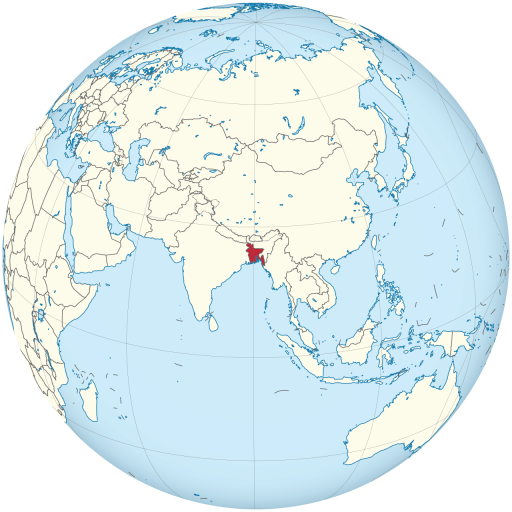
Bangladesh's High Court has put its foot down on elephant exploitation. Young Asian elephants can no longer be captured and taken into captivity.
Why this matters:
Bangladesh was once one of the major homes for Asian elephants (that's the name of the species). Now, they are dwindling due to poaching and habitat loss in Bangladesh. This move aims to protect the roughly 200 Asian elephants left in the wild in the country, half of whom have been living in captivity.
Tell me more:
The court has halted all licenses that allowed the capture and use of young elephants, marking a significant step towards conservation. Animal rights activists are cheering. Hats off to the People for Animal Welfare Foundation (PAW) and actor Jaya Ahsan, who spearheaded this legal battle. Rakibul Haque Emil, head of PAW Foundation in Bangladesh, said it was a "landmark order".
What have elephants gone through in Bangladesh?
Elephants have had a long history of mistreatment -- from being paraded on streets for money to being starved for roadside begging. According to Dhaka Tribune, A total of 90 elephants were killed in Bangladesh between 2001 and 2017. Meanwhile, around 28 elephants were brutally killed in just 20 months from January 2020 to August 2021. 23 of them were killed in Cox's Bazar alone. "Several countries in Asia, such as Thailand and Nepal have found some success in rehabilitating captive elephants. We shall do it here," said Emil.
A Turkish court found no justice for the Vartinis Massacre -- for now
What happened:
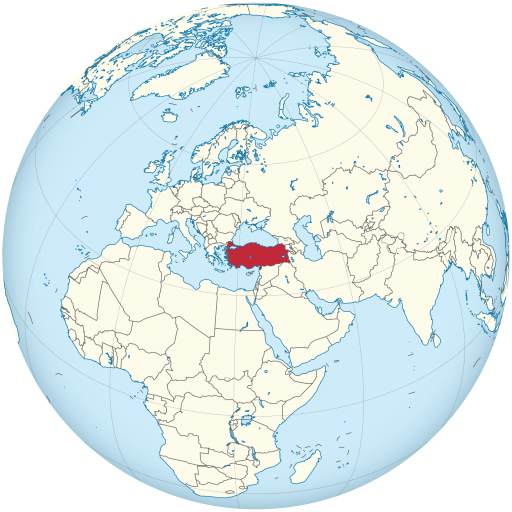
On October 3, 1993, some 30 years ago, the Turkish military burned down the house of a Kurdish family in a small village in Muş, Turkey in what's known as the Vartinis Massacre, following allegations that they had "aided and abetted an illegal terrorist organization (the PKK)". Nine people died, seven of them children, with the youngest being three-years-old. Fast-forward to now, and the Turkish court has dismissed the case on the grounds of statute of limitations, lifted the red notice and arrest warrant previously issued against Bülent Karaoğlu, a former gendarmerie captain and the only defendant in the case, and decided that this horrifying act doesn't count as a "crime against humanity." Why? They say there's no solid proof it was done with any political, racial, or religious hate in mind.
Why this matters:
How do we hold people accountable for crimes they committed a long time ago? This ruling has stirred up a hornet's nest of debate over accountability, historical justice, and the complexities of international law.
Tell me more about the victims:
The victims of the Vartinis Massacre include Mehmet Nasır Öğüt, his wife Eşref Öğüt, and their seven children: Cinal, Cihan, Mehmet Şakir, Mehmet Şirin, Sevda, and Sevim Öğüt. The ages of the children ranged from 3 to 14 years. Only one family member survived, Aysel Öğüt.
What was it like in Turkey in 1993?
Absolutely not a safe place for Kurds. During the 1990s, amidst an intense conflict with the Kurdistan Workers' Party (PKK), a Kurdish guerilla group, the Turkish government took a drastic approach that changed the landscape of southeastern Turkey forever. This wasn't your typical military operation; it involved setting Kurdish-majority villages ablaze, a tactic intended to cripple the PKK's support base. The aftermath? Between 3,000 and 4,000 villages were erased, displacing anywhere from 380,000 people according to official stats, to as many as 4 million per human rights groups. In the case of the Vartinis massacre, a Turkish soldier had been killed in the region a day before, and Turkish forces blamed the villagers for it. The houses in the village were set on fire that night. Most of the villagers could escape. But the Öğüt family could not. It was also reported that on the day of the massacre that the soldiers allegedly came to the village and threatened the villagers by saying: "We will burn your village tonight."
What now?
Aysel Öğüt is not having it. She's pushing back with an appeal, insisting that burning nine people alive has to be recognized for what it is---a crime against humanity, no matter how you slice it. She has been knocking on the door of justice for years, trying to get answers and accountability for the night her family's home was set ablaze by soldiers. Initially, when she sought justice in the early 2000s, the case was shut down, with the court blaming "unknown perpetrators." A lawsuit was finally filed in 2013, and that's when the plot finally thickened. Hopefully, to be continued.
Who killed Moïse? 'Maybe his widow', says a judge in Haiti
What happened:
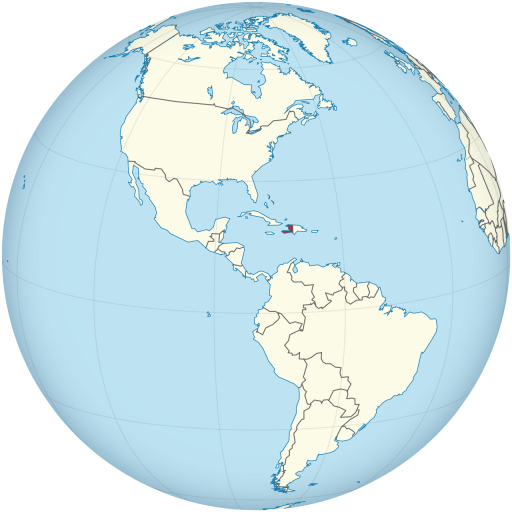
The 2021 murder of Haiti's President Jovenel Moïse has taken a shocking turn. A judge in Haiti last week indicted high-profile figures including the widow, Martine Moïse; former PM Claude Joseph;...
Please log in or subscribe for free to continue reading this issue.
We could use your help to make this issue better. Take a look at the requests below and consider contributing:
- Submit a piece of artwork for this issue
- Submit a news, academic or other type of link to offer additional context to this issue
- Suggest a related topic or source for future issues
- Fix a typo, grammatical mistake or inaccuracy
Below you'll find some of the sources used for this issue. Only sources that support "media embedding" are included.
-
Animal rights groups declared the move a "landmark order" that would protect against exploitation.
-
Rights groups said this will stop the torture of captive Asian elephants in the name of training. Read more at straitstimes.com.
-
During the bitter war with the guerrillas of the Kurdistan Workers’ Party (PKK) in the 1990s, the Turkish army and paramilitary “village guards” depopulated and burned villages in southeastern Turkey on a systematic scale. Clearance of the countryside and resettlement of the rural population, from which the PKK drew membership,
-
Martine Moïse alleged to have conspired with former PM to kill president and replace him herself
-
Experts blame the proliferation of ‘Aedes albifasciatus,’ the second in less than two months in the Argentine province, to the intense rains
-
Satellite images show damage has continued under the Taliban, according to researchers at Chicago University.
-
The two lions were named after the Hindu deity Sita and Akbar, a 16th Century Mughal ruler.
-
The unauthorized and highly unusual online dump of documents is linked to China’s top policing agency and other parts of its government.
-
The Senate on Monday voted against a proposal to publicly execute individuals convicted of rape as the majority of parliamentarians expressed strong opposition, deeming such a practice ineffective...
-
It comes after a contentious election where the largest party led by former-PM Imran Khan alleged vote-rigging.
-
Senegal’s President Macky Sall says that he will end his term in April as expected, but he has not given a new date for the presidential election originally scheduled for Sunday.
-
There was 15 years of legal to and fro before the first judge in post-apartheid South Africa was impeached
-
Women take part despite some in the community suggesting it should remain a men-only event.
-
The stranger-than-fiction story of how Mohammed bin Salman welcomed the 60-year-old movie star into his kingdom—and his circle of trust.
-
Society of the Snow (2023) - This page focuses on one review for Society of the Snow from TakeTwoReviews
-
Kiribati appeared to hit back at a snarky social media post that teased the Pacific Island for having place names like London and Paris. But the government says all is not as it seemed.
Each week, What Happened Last Week curates news and perspectives from Asia, Africa, and the Americas. The newsletter is written by Sham Jaff and focuses on stories that rarely receive sustained attention in Western media.
Read the free edition every week. VIP subscribers receive additional stories, recommendations on what to watch, read and listen, and more.