

This issue takes you to Somalia (do you know what it's like to be a female journalist there? The country made some moves towards gender equality in media) and to Mexico, specifically Mexico City (where people are talking out loud about whether killing bulls should remain part of their "national tradition" or not). Plus, this issue unexpectedly turned into a fangirl moment for aging, very talented people. I introduce you to very, very famous people: a Māori artist (who passed away last week), a Japanese entertainer (never married, no children and loves it) and an Afghan singer (who has the perfect heartbreak song for all of my single VIPotatoes). Brazil's queer funkeiras (female funk artists) are also featured here, criticizing the machismo and homophobia of trending Brazilian Funk songs on your TikTok ForYou page, and so much more.
Somali media just took a huge step towards gender equality
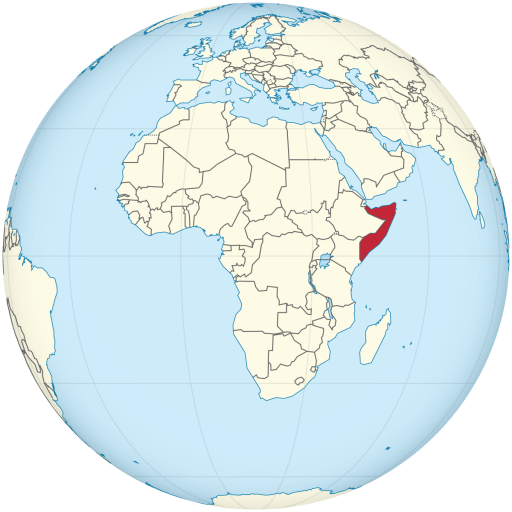
What happened:
Bilan, an only all-women media crew in Somalia, is about to launch a groundbreaking current affairs TV show. For the first time, a woman will host it, and at least half the panel will be women too. This is a big deal for Somali TV.
Why this matters:
This is a huge step towards gender equality in Somali media.
Tell me more:
Bilan was established in 2022 with support from the United Nations Development Programme, with six journalists led by Nasrin Mohamed Ibrahim, one of the few female senior news producers in the country. The project was set up to offer women a safe space to tell the stories they wanted to tell, and has covered a wide range of under-reported stories, including Somalis living with HIV, child abuse and postnatal depression. Based in Mogadishu and supported by Dalsan Media (one of Somalia's largest media organizations), they've now got EU funding to grow bigger and better over the next three years. This includes hiring more journalists and supporting investigative reporting. "We hope this will be a game changer for the Somali media scene, opening up new opportunities for women journalists and shining a light on new subjects that have been ignored, particularly those that are important for women," said Jocelyn Mason, UNDP's representative in Mogadishu. It's set to kick off on International Women's Day, March 8, taking inspiration from the BBC's Question Time. Bilan will be fully independent to pick its own projects which will be aired on TV, radio, print and online by Dalsan Media Group, and international media houses as well.
What's Somali media like?
The media scene here is mostly run by men and focuses a lot on politics. The Bilan team has faced its fair share of discrimination and danger, from societal pressure to the threat of violence. "All journalists are in danger in Somalia. We are targeted by Islamist militants and face the everyday risk of being blown up by suicide bombs," Ibrahim writes in her opinion piece for The Guardian in 2022. Female journalists have many other challenges, starting with their families, who often believe journalism is a shameful profession for women. They face sexual harassment in the office and abuse in the streets. "For too long, Somali women journalists have been treated as second-class citizens and Somali news has ignored the stories and voices of half the population; now we are in charge of the boardroom and the narrative," said Nasrin Mohamed Ibraham, Bilan's chief editor.
- Fun fact: Bilan translates to "bright and clear" in Somali.
- Dig deeper: What's it like being a camerawoman in Somalia?There's a pretty revealing mini-doc by BBC News Africa featuring Somali camerawoman Maryama Omar. The sexism she faces is out of this world. (I wish it was 'out of this world', but it's precisely the world we live in.)
Bullfighting has returned to Mexico City -- for now
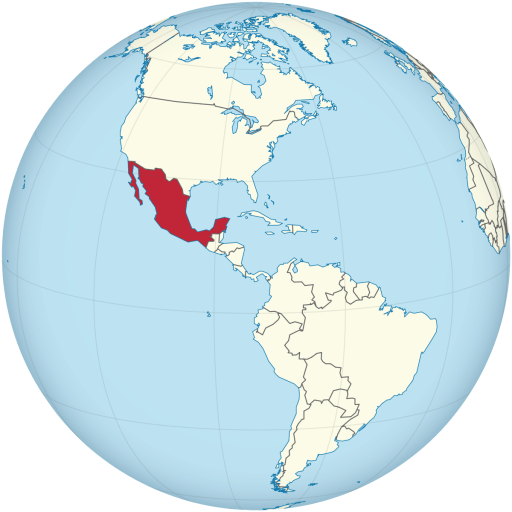
What happened:
Last week in Mexico City, bullfighting events resumed at La Plaza México, the largest bullfighting arena globally, sparking significant controversy and protests.
Why this matters:
Bullfighting holds cultural significance and is legally permitted in several countries besides Mexico and Spain, including France, Colombia, Venezuela, Peru, and Ecuador. However, it's a practice that involves the killing of bulls, which is contentious and has been banned or modified (to non-lethal forms) in other regions due to growing animal rights concerns. The case in Mexico City is particularly noteworthy because the city's arena plays a crucial role in the economic aspects of bullfighting and the career development of bullfighters (matadors).
Tell me more:
The practice, locally referred to as "fiesta brava," was initially suspended in 2022 by a federal judge's ruling, influenced by a human rights group's argument against the "degrading" treatment of bulls. This suspension was challenged, and the Supreme Court said bullfights could happen while they decide if it's legal or not. On the day it resumed, a huge crowd watched Sunday at the largest bullfighting arena in the world as matadors fought and killed six bulls, as James Wagner reported for The New York Times. More than 300 protesters from several animal rights groups marched nearly three and a half miles down a busy street and stopped traffic to La Plaza México. A protester painting the word "murderers" in Spanish on an entrance to La Plaza México. Luis Antonio Rojas took this impressive picture of the activist (it's part of the carousel). Activists are hopeful a final ruling this year will ban the sport for good.
Why the focus on Mexico City?
Mexico City's bullfighting ring is a big deal. It's where the most important fights happen and where bullfighters become famous. It also brings in big crowds, only second to soccer games. José Saborit, the director of a national bullfighting organization called Tauromaquia Mexicana, said the practice remained particularly popular...
Please log in or subscribe for free to continue reading this issue.
We could use your help to make this issue better. Take a look at the requests below and consider contributing:
- Submit a piece of artwork for this issue
- Submit a news, academic or other type of link to offer additional context to this issue
- Suggest a related topic or source for future issues
- Fix a typo, grammatical mistake or inaccuracy
Below you'll find some of the sources used for this issue. Only sources that support "media embedding" are included.
-
The pioneering Bilan project, funded by UN, will report on gender-based violence, women in politics and female entrepreneurs
-
Topical debate, with political and media figures answering questions from the public
-
La Segunda Sala del Alto tribunal desecha un amparo que impedía realizar espectáculos taurinos en la Monumental de Ciudad de México
-
Ante prohibición de corridas de toros en Plaza México, empresa informó que impugnará la decisión del juez para reactivar esta práctica
-
The fires have been burning with the highest intensity around the city of Viña del Mar, where a famous botanical garden founded in 1931 was destroyed by the flames on Sunday.
-
Government departments, civil society groups and the private sector should pool resources and work together in a co-ordinated manner to prevent violent crime.
-
The defendants were accused of plotting a bomb attack on a factory making military equipment.
-
A Korean American pastor claims he wanted to expose first lady Kim Keon Hee abusing power via YouTube footage When a YouTube video of South Korea‘s first lady r
-
The pardons board, chaired by Malaysia's king, says it made the decision after reviewing an application for a royal pardon by former prime minister Najib Razak, who began serving a 12-year jail term in August 2022
-
Nigeria is currently facing one of its worst socioeconomic crises in decades and on top of this insecurity has spread to every nook and cranny of the country.
-
It comes after the former president said he would not vote for the party he once led.
-
La Unión Europea sancionó este viernes a la Fiscal General de Guatemala, María Consuelo Porras Argueta, por sus intentos de evitar la toma de posesión del presiente, Bernardo Arévalo de León, que asumió el cargo el pasado 14 de enero.
-
Eswatini’s parliament should provide sufficient resources to protect women against violence and to effectively implement the 2023-2027 National Strategy to End Violence in Eswatini, Human Rights Watch said today.
-
Former Pakistan PM Imran Khan jailed for fourth time since he was ousted from power - over breaking marriage law | World News | Sky NewsKhan, who is also a cricket legend in Pakistan, has been handed a seven-year sentence on a charge he broke the country's marriage laws - with the conviction coming just days after he was jailed for 14 years in a corruption case.
-
Patient recovering well with signs of ‘promising neuron spike detection’, says startup’s founder
-
The vote, originally scheduled to take place on February 25, was delayed after a dispute over the candidate list.
-
Children’s parents and those who performed the procedure are in police custody, according to local reports
-
Rap superstar Cardi B broke the internet last month when she released her single “WAP” with fellow rapper Megan Thee Stallion. The song debuted at the top of the Billboard Hot 100 chart. It broke numerous streaming records and spawned a viral TikTok dance challenge. The track’s suggestive lyrics have been the subject of controversy....
-
Nashenas - Liedtext: محبت اول آسانه (Mohabbat Awal Asana) (Paschtunisch) + Übersetzung auf Englisch: Love seemed so easy in the very first moments / At
-
India has released a pigeon initially suspected of espionage for China, concluding an eight-month investigation. The bird, from Taiwan, was part of an open-water racing competition.
Each week, What Happened Last Week curates news and perspectives from Asia, Africa, and the Americas. The newsletter is written by Sham Jaff and focuses on stories that rarely receive sustained attention in Western media.
Read the free edition every week. VIP subscribers receive additional stories, recommendations on what to watch, read and listen, and more.