

This issue takes you to South Korea (remember the 2022 Itaewon Halloween crowd crush that killed 159 people? Well, finally, there are some consequences) and Ghana (that will receive its stolen art from Britain as a loan and why that is controversial). Plus, Eritrea's jailed the most journalists in Africa, the continent's richest man is still the richest man for the 13th time, Saudi Arabia and alcohol are friends again, there are stronger domestic violence laws in Jamaica, a major malaria vaccination is underway in Cameroon, Indonesia's first trans doctor, Singapore's Prime Minister does not wear pink all the time, and a 9-year-old photographer who's definitely met more celebrities than all of us combined, and so much more.
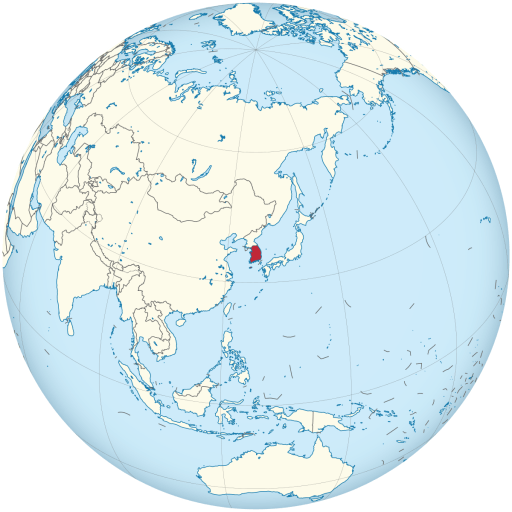
15 months after the 2022 Itaewon crowd crush, 3 police officers have been indicted
What happened:
Three police officers, including the head of Seoul's police, have been formally charged regarding their response to the deadly crowd crush in Itaewon in 2022 that killed 159 people.
Why this matters:
This is a stark reminder of the devastating consequences of negligence and the need for transparent and effective leadership in emergency situations. Public awareness and advocacy for better safety standards and governmental accountability is essential, not just in South Korea but globally.
Tell me more:
The Seoul Western District Prosecutors Office has accused these officers of not responding correctly to 11 emergency calls during the critical moments of the tragedy. Additionally, one officer faces charges for falsely claiming they visited the accident site that day. Yikes.
What exactly happened that night?
Itaewon has hosted Halloween celebrations in Seoul for years. However, on the evening of October 29, 2022, people started calling the police about the extreme crowding in Itaewon, well before things got worse. Four police dispatches were sent out to Itaewon. This time around, it was way too packed; so much so that people were unable to move; some slipped below the feet of others, unable to breathe. Most who died that night were young South Koreans -- largely in their teens and early 20s.
What's been the reaction since?
Well, there's been a lot of frustration and anger, especially because the government kind of admitted they weren't ready for a crowd that big. This has led to quite a bit of the heat being directed at President Yoon Suk Yeol and his administration, with people feeling like they're not really taking responsibility for what went down.
How are those affected coping now?
It's been really tough for many. One survivor, Lee, told CNN she hasn't even gone back to Itaewon since then, and they're not convinced the government really learned anything. One mother shaved her head publically. Meanwhile, President Yoon Suk Yeol is facing pressure to green-light a new bill for a new investigation into the 2022 Itaewon crowd crush. The bill was passed at the opposition-controlled National Assembly earlier this month. Lee Jeong-min, who's leading the charge for the victims' families, feels like the government's not really seeing their side of things. "We have never denounced or criticized the government over the past year. However, the government always treated us like anti-government forces," said Lee Jeong-min.
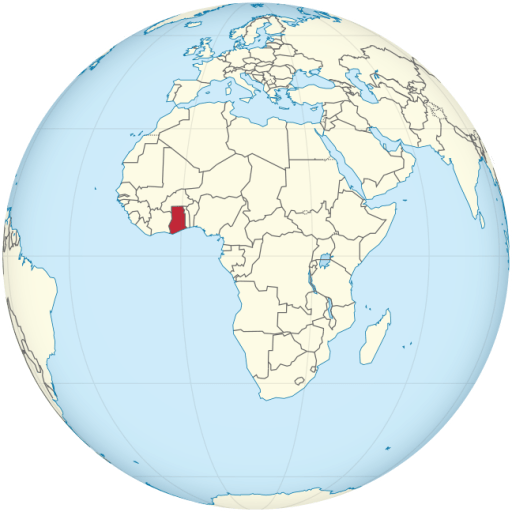
Britain to 'loan' the crown jewels it stole from Ghana
What happened:
Two British museums are giving Ghana some Asante jewels and artefacts for a while. These items were stolen 150 years ago.
Why this matters:
Over half a million African cultural artifacts, some say 90% of Africa's cultural heritage, reside in Europe. Returning looted art is not just about correcting past wrongs but could foster a new, more inclusive approach to understanding human culture and heritage.
Tell me more:
There are 32 royal items in this group. They will be shown at the Manhyia Palace Museum in Kumasi. This museum is reopening in April to mark the 25th anniversary of Osei Tutu II's time as leader. The Asante gold artefacts are the ultimate symbol of the Asante royal government and are thought to hold the spirits of past Asante kings. Ghana first asked for these items back in 1974 and asked again last year. This time, the agreement was made directly with Asante King Otumfuo Osei Tutu II, who is very respected in the Ashanti Region of Ghana. He was at King Charles III's coronation last year.
- Background info: The Ashanti kingdom was started by the Asante people in 1670. It was a really strong kingdom in West Africa. The Ashanti were known for trading gold, cloth, and sometimes even people. They had a powerful army and were quite wealthy. Today, the Ashanti kingdom is still important in Ghana, but more for its culture and traditions than for politics. They have a king called the Asantehene. These days, the Asantehene's job is mostly about ceremonies and culture, but he's still a very influential figure.
Why aren't they being returned forever?
The V&A Museum and the British Museum can't give these items back for good because of UK laws. The V&A's director, Tristram Hunt, said this deal is a start to talking about it, but it's not a final solution. The current loan is for three years. Some people think these kinds of loans are not the best answer because they suggest the UK really owns these items. William Carruthers, an expert in Heritage Studies, thinks UK laws might need to change for a more permanent solution. UK museums have a lot of other items...
Please log in or subscribe for free to continue reading this issue.
We could use your help to make this issue better. Take a look at the requests below and consider contributing:
- Submit a piece of artwork for this issue
- Submit a news, academic or other type of link to offer additional context to this issue
- Suggest a related topic or source for future issues
- Fix a typo, grammatical mistake or inaccuracy
Below you'll find some of the sources used for this issue. Only sources that support "media embedding" are included.
-
Prosecutors have indicted two police officers over the bungled response to the deadly 2022 crowd crush in the district of Itaewon, officials said M...
-
Families of those lost in the Halloween crowd crush in 2022 gathered outside the presidential office to protest the ruling party’s recommendation that the president exercise his veto
-
Opposition lawmakers unilaterally passed the bill as lawmakers with the ruling People’s Power Party staged a walkout in protest
-
Treasures taken 150 years ago will go back, the BBC can reveal, in a possible model for other disputes.
-
Julian Lucas discusses Bénédicte Savoy’s book “Africa’s Struggle for Its Art: History of a Postcolonial Defeat, ”which explores an ultimately largely unsuccessful campaign in nineteen-sixties and seventies to decolonize Europe’s museums and repatriate looted African art works and artifacts back to their countries of origin.
-
A major new history of how African nations, starting in the 1960s, sought to reclaim the art looted by Western colonial powers
-
Colombia’s government has issued a disaster declaration and requested help from the international community to combat raging wildfires affecting the South American country.
-
CPJ expresses concern about the lack of global attention to the plight of this correspondent for Jeune Afrique and Reuters, as well as all other journalists incarcerated in African prisons.
-
Venezuela's Supreme Court (TSJ) Friday upheld a decision by the Comptroller General's Office whereby opposition leader María Corina Machado may not run in this year's elections after having been disenfranchised despite garnering 92.35% of the votes in the Oct. 22 primaries. The TSJ also confirmed Friday the disqualification of two-time presidential candidate Henrique Capriles.
-
At least 19 people were killed when rebels attacked a town in Congo’s North Kivu province, the army said late Thursday, the latest violence in the country’s conflict-battered east.
-
Photography is strictly prohibited in the store, and mobile phones must be kept in secure pouches to prevent their use while in the venue.
-
After more than five hours of conversations, diplomatic delegations from Venezuela and Guyana agreed on Thursday in Brasilia to discuss the dispute over the oil-rich Essequibo territory peacefully. The gathering at the Itamaraty Palace resulted from talks between Presidents Nicolás Maduro and Irfaan Ali on December 14 in Saint Vincent and the Grenadines.
-
Jamaica has adopted stronger domestic violence laws as the government aims to better protect victims on the island where people are reluctant to report such cases to authorities.
-
Many Costa Ricans welcome court ruling that they don't have to use their father's surname first | AP NewsMany Costa Ricans are welcoming a ruling this week by the country's Supreme Court of Justice eliminating the requirement that people use their father’s surname before their mother’s on identification documents.
-
ABIDJAN/LONDON, Jan 23 (Reuters) – Ivory Coast successfully raised $2.6 billion through two bonds with respective maturities of nine and 13 years in its first return to the international Eurobonds market after two years of absence, the government said in a statement on Tuesday. It said the issuance drew interest from more than 400 investors, […]
-
Cameroon will be the first country to routinely give children a new malaria vaccine as the shots are rolled out in Africa.
-
Newly passed legislation bans the breeding, slaughter, distribution, and sale of dogs for human consumption
-
The former sex worker is now a champion for trans rights in a country that largely marginalises the queer community.
-
Kendati melewati banyak tantangan, Mami Yuli, transpuan asal Asmat, Papua, berhasil menyabet gelar doktor. Gelar doktor membuat Yuli semakin bertekad untuk terus berjuang bagi komunitas transpuan.
-
Disproportionately affected by climate change, Indonesia's trans community is taking matters into its own hands.
-
An interactive and highly illustrated story that investigates the historic rubber industry in Malaya, and its discriminative practices.
-
Alcohol is deeply embedded in Asian cultures—despite the Asian flush! Here's what makes Asia’s alcoholic beverages highly coveted worldwide.
-
Asia can seem exotic and shrouded in misconception. We unpack and demystify its myths.
-
Do Lee Hsien Loong's changing shirt colours mean anything? Find out if Singapore's Prime Minister might be sending coded messages in this data story.
-
Fourth-grade photographer Zou Shengyu has lit up social media by shooting portraits for celebrities including Jason Momoa and Tony Leung.
-
As Narendra Modi’s government clamps down on the free press, top journalists are going solo to report unbiased news.
-
Batu Caves: This 400 million-year-old cave site and temple in Malaysia is planning an escalator upgrade | CNNThe custodians of an ancient Hindu religious site in Malaysia are planning to install an escalator as an alternative for those visitors either unable or unwilling to climb the 272 steps leading to its temple and cave shrines.
-
Rie Kudan's novel "The Tokyo Tower of Sympathy," praised by literary judges as "flawless," takes place in a futuristic Tokyo with AI as a recurring theme.
Each week, What Happened Last Week curates news and perspectives from Asia, Africa, and the Americas. The newsletter is written by Sham Jaff and focuses on stories that rarely receive sustained attention in Western media.
Read the free edition every week. VIP subscribers receive additional stories, recommendations on what to watch, read and listen, and more.