

In this issue, I talk about Africa's first malaria vaccine, a big win for trans rights in Japan, and the reconstructed face of a teenage Inca girl in Peru from more than 500 years ago. Plus, while much of the Western world mourns the death of Friends star Matthew Perry, China is paying its respects to a former premier, Kazakhstan faces a devastating mine fire, Zimbabwe's LGBTQ+ artists are finding stages, Brazil's marine life is under threat, Honduras sees a concerning drop in education rates, and so much more.
The first malaria vaccine is already saving lives, while the second one is around the corner
What happened:
The World Health Organization (WHO) has reported that the first approved malaria vaccine, RTS,S or Mosquirix, has reduced the death rate among young children by 13% over nearly four years. This means that out of 100 children who would have died from malaria, 13 of them were saved because of the vaccine. This vaccine has also reduced the number of severe malaria cases (where the child is very sick) by 22%.
Refresher:
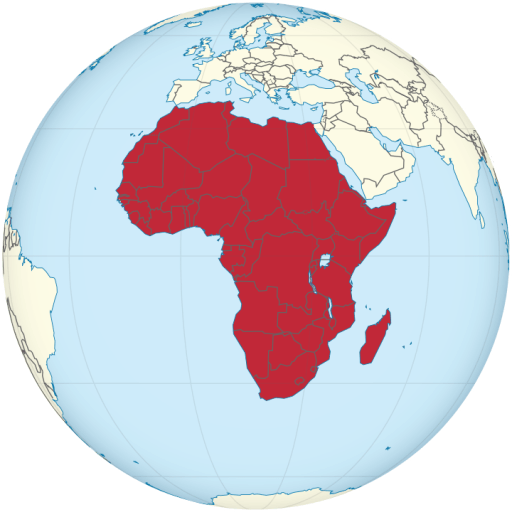
Malaria is a disease caused by a parasite, and it's spread to humans through the bites of infected mosquitoes. People who get malaria often experience high fevers, chills, and other flu-like symptoms. Among mosquito-borne diseases, malaria is the most deadly, especially in young children. Scientists believe it has killed more people than any other disease spread by the insects in history. African children are the main victims: 96% of deaths to malaria are in Africa, and children under five make up roughly 80% of the victims.
Why this matters:
Malaria is a big problem in many parts of Africa, where hundreds of thousands of children are born each year. In 2021, it was estimated that malaria killed about 468,000 children under the age of five, mainly in Nigeria, DRC, Tanzania and Niger.
Tell me more:
The RTS,S vaccine was first tried out in a big test (called a clinical trial) in 2015 in parts of Ghana, Kenya, and Malawi. These are places where a lot of children are born every year. The results from this test showed that the vaccine was about 36% effective in protecting against malaria four years after the kids got vaccinated. In 2019, the World Health Organization (WHO) started a huge US$70 million project to give the vaccine to nearly two million very young children in those three countries. They wanted to see how well the vaccine worked in real life, not just in a test. They also wanted to check if it was possible to add this new vaccine to the regular shots that kids get without causing any problems. They shared the final results of this big study on October 20 at a major health conference.
What's the health community saying?
Mary Hamel, a health expert who led this big project, joked that she was surprised that people weren't more shocked by these amazing results. If the vaccine is given to more kids all over the place, it could save tens of thousands of lives. Kwaku Poku Asante, a doctor and health researcher in Ghana, said that the results are clear and speak for themselves. The World Health Organization (WHO) has approved the RTS,S vaccine for wider use, and 17 countries in Africa are set to start using it next year. This is a big step forward in the fight against malaria.
What now?
Even with these great results, some health leaders are worried about how hard it might be to get this vaccine to all the kids who need it. They're concerned about the cost and how to fit this new vaccine in with other ways we already have to stop malaria. There's also a new malaria vaccine called R-21 that was approved by WHO recently. This new vaccine is expected to be cheaper and available in larger amounts than the RTS,S vaccine. 'F*ck you', Malaria.
Japanese court rules forcing trans people to be sterilized is 'unconstitutional'
What happened:
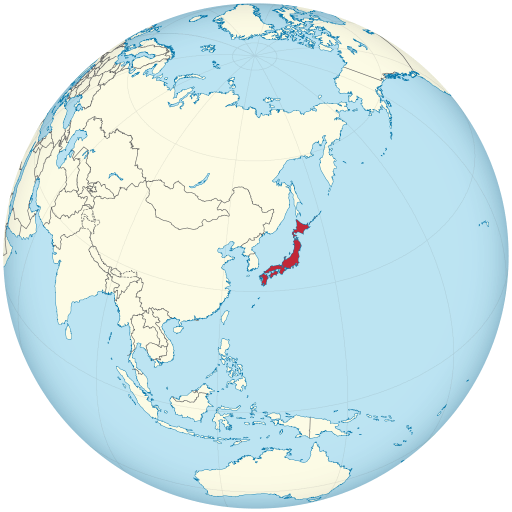
On October 25, Japan's highest court declared that forcing transgender individuals to undergo sterilization to legally change their gender is unconstitutional. The case of the transgender woman, who is challenging the need for gender affirmation surgery, has been sent back to a lower court for further consideration.
Why this matters:
Since 2004, transgender people in Japan have had to meet several criteria to legally change their gender, including giving up their ability to have children (which essentially means getting sterilized). They also have to be single, not have children, and have a gender dysphoria diagnosis. This policy has faced significant criticism from LGBTQ+ activists and human rights groups, who argue that it violates individuals' rights to privacy and family life. Japan is the only country among the 'Group of 7 wealthy nations' that does not recognize same-sex marriage or civil unions at a national level. This ruling is a significant step for transgender rights in Japan, challenging long-standing policies and potentially paving the way for further legal and social acceptance of the LGBTQ+ community.
Tell me more:
The woman, whose identity has been withheld to protect her privacy, says she lives "socially as a woman" but is documented as a male in her family registry because she has not had surgery. Her lawyers argue that the current law violates her rights to happiness and to live without discrimination. The court acknowledged that the sterilization requirement forces a "cruel choice" (their words!) on transgender individuals, between undergoing invasive surgery or not having their gender identity legally recognized. Japan's Supreme Court rarely declares laws unconstitutional, says her lawyer, adding however, that it was "sad" that the applicant still "will have to live tomorrow and beyond with her gender not recognized by the law."
Is this a positive trend in Japan?
Support for the LGBTQ+ community is growing in Japan, particularly among younger people. Recent surveys show a majority support for same-sex marriage, adoption by same-sex couples, and protections against discrimination for transgender individuals. However, progress has been slow, and the ruling Liberal Democratic Party has been hesitant to enact reforms. There has also been a concerning increase in online hate speech, particularly against transgender women.
What now?
The court's ruling is expected to ease the burden on those for whom sterilization was the only barrier to changing their gender legally. However, many trans women may still feel compelled to undergo genital surgery or wait for the lower court's decision.
Zoom out:
Currently, trans people can change their legal gender in 86 countries, but 39 require surgery.
Experts reconstructed the face of Peru's most famous mummy: a teenage Inca
What happened:
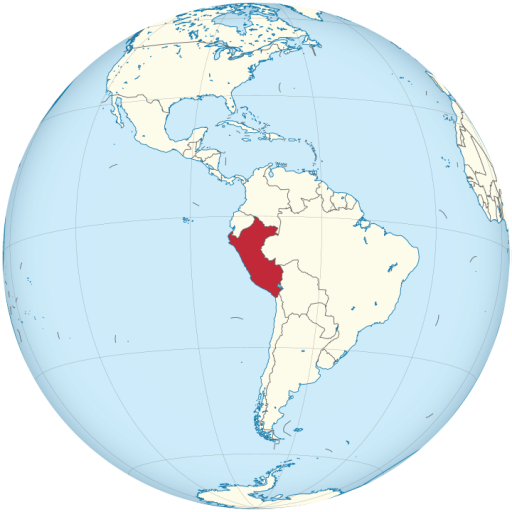
The possible living face of Peru's most famous mummy, a teenage Inca girl sacrificed in a ritual more than 500 years ago atop the Andes, was unveiled last week. The bust, made of silicone, showcases a young woman with distinct cheekbones, black eyes, and tanned skin, look. She is wrapped in robes woven by local women from Peru's Centro de Textiles Tradicionales.
Why this matters:
This reconstruction...
Please log in or subscribe for free to continue reading this issue.
We could use your help to make this issue better. Take a look at the requests below and consider contributing:
- Submit a piece of artwork for this issue
- Submit a news, academic or other type of link to offer additional context to this issue
- Suggest a related topic or source for future issues
- Fix a typo, grammatical mistake or inaccuracy
Below you'll find some of the sources used for this issue. Only sources that support "media embedding" are included.
-
Japan’s top court has declared that it is unconstitutional to require trans citizens to be sterilised in order to legally transition.
-
The mummified remains of the Ice Maiden of Ampato—a child sacrifice victim—were stunningly preserved. Now, archaeology and science have restored her gaze.
-
The Incas are renowned for massive carved stone structures, the construction of thousands of miles of roads, and the establishment […]
-
‘A huge loss’: China’s Communist Party mourns death of Li Keqiang, praises former premier for achievements | South China Morning PostOfficial obituary of former leader, who died in Shanghai on Friday, hails his contributions to the economy, belt and road, poverty relief and his support for President Xi Jinping.
-
Rebels attacked the town of Bambo, north of Goma (eastern DRC), the latest in a conflict that the United Nations says has displaced almost 200,000 people since October 1.
-
A total of 1,049 cases of cholera, 73 of them fatal, were recorded in Khartoum. Read more at straitstimes.com.
-
The paramilitary RSF seizes key trade hub Nyala from the army, despite the start of peace talks.
-
UN Humanitarian and Emergency Relief Chief Martin Griffiths says half-a-year of war has plunged Sudan into “one of the worst humanitarian nightmares in recent history."
-
Los expertos señalan que se deben incrementar los esfuerzos para reducir la deserción y reintegrar a los estudiantes que abandonaron el sistema
-
Myanmar police arrested 95 people during raids this week on an online scam operation in the commercial hub of Yangon. Criminal gangs are said to have lured, kidnapped or coerced thousands of Chinese nationals and locals into forced labour in online scam operations based in Southeast Asia. The scam industry is earning criminal groups the equivalent of billions of US dollars.
-
US government told to pay $420 million in compensation, the judiciary's Mizan Online news agency says
-
SEOUL: A South Korean professor who challenged the consensus view of Japan's wartime sex slaves was acquitted of defaming the victims on Thursday, overturning an earlier verdict.
-
News and analytical articles about Kazakhstan, Kyrgyzstan, Tajikistan, Turkmenistan, Uzbekistan.
-
Gebisa Ejeta, 73, receives the National Medal of Science for developing an improved sorghum hybrid.
-
La Sala Segunda de la Corte de Apelaciones de Guatemala anuló este viernes la condena impuesta en junio por el Tribunal Octavo de Sentencia al empresario y periodista José Rubén Zamora, de acuerdo con el fallo obtenido por CNN.
-
We delve into the harsh realities of a woman who presents as masculine, grappling with insecurities that threaten to consume her whole being. It captures the moments…
-
-
Residents of Porirua have had sleepless nights for almost a year due to Céline Dion "siren battles" in the early hours of the morning.
Each week, What Happened Last Week curates news and perspectives from Asia, Africa, and the Americas. The newsletter is written by Sham Jaff and focuses on stories that rarely receive sustained attention in Western media.
Read the free edition every week. VIP subscribers receive additional stories, recommendations on what to watch, read and listen, and more.