

In issue this, I pay attention to Ethiopia's Tigray region that is still at war, the opposition in Thailand and its efforts to finally legalize marriage equality and a respiratory disease in Chile that the government is allegedly having trouble containing. Plus: a sensational scientific discovery at a Costa Rican zoo, Colombia's Indigenous kids who survived 40 days alone in the jungle, Somalia's first all-women newsroom, a documentary about the world's most popular video game designer from Japan, Saudi sportswashing, Lebanese artswashing, and so much more.
Another report found that Ethiopia broke international law during the war in Tigray
What happened:
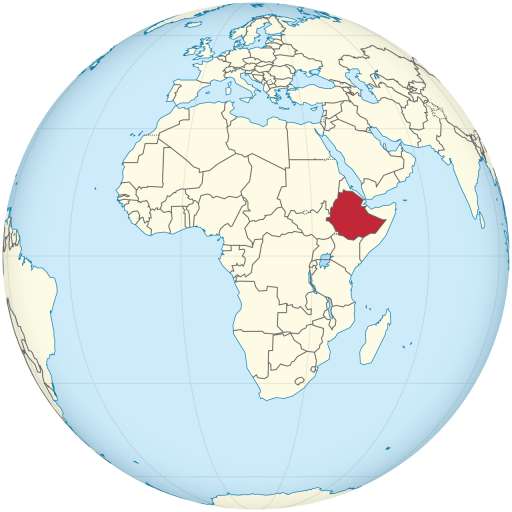
According to Human Rights Watch on June 1, Ethiopia has continued to commit war crimes in Western Tigray, despite a truce agreement that was signed on November 2, 2022. Ethiopia has dismissed these findings. The government says the report was not informed by thorough and credible investigations. But the evidence of war crimes in Tigray kept pouring in. Last week, Yale University released its own report. The university's Lowenstein Human Rights Clinic found that Ethiopia, and its allies, broke international law during the Tigray war, by intentionally starving civilians.
Refresher:
A war broke out in November 2020 in Ethiopia. Who fought whom? Regional forces from Tigray took up arms against Ethiopia's federal army and its allies, including forces from the Amhara region and neighbouring Eritrea.
Why this matters:
Fighting in Ethiopia's Tigray region hasn't stopped since November 2020. In fact, there has been on-and-off conflict since then, causing the deaths of thousands of civilians and pushing hundreds of thousands towards severe hunger. By October 2022, the UN had recorded 47,000 refugees from Ethiopia in eastern Sudan (remember, there is a lot of fighting there now, too). The exact number of Tigrayans internally displaced is unknown.
Did you know that Ethiopia is one of the largest refugee-hosting countries in the world? It hosts more than 800,000 refugees and asylum seekers. More than half of them are children under 18.
Tell me more:
Western Tigray (in Northern Ethiopia) is a very fertile and popular land. It's under Tigray's authority but also claimed by ethnic Amharas as ancestrally theirs. This is not the first time forces aligned with Ethiopia's federal government have been accused of forced expulsions and other rights abuses in Western Tigray. The UN-backed Commission of Human Rights Experts on Ethiopia issued a report in September 2022 saying there was evidence of widespread human rights violations by all sides during the fighting.
What can be constructive next steps?
Interviewed Tigrayans in the Human Rights Watch report expressed the need for justice and accountability, calling on the international community and the Ethiopian government to ensure that such atrocities never happen again. The Lowenstein Clinic urged the international community to condemn these actions and hold those responsible accountable. The report also demands an immediate stop to the conflict and unrestricted aid access to help the Tigrayan people.
Thailand is very, very close to finally legalizing marriage equality
What happened:
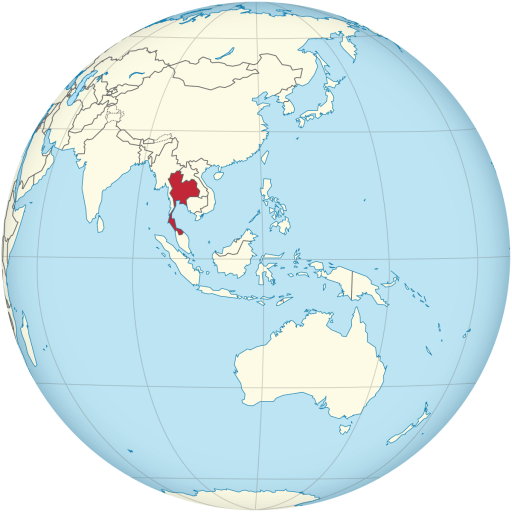
Bangkok Pride 2023 officially took place last week. Many thousands of LGBTQ+ people joined Pride celebrations in Bangkok last Sunday to celebrate gender diversity and advocate for their freedom and fundamental rights, such as gender recognition, same-sex marriage, the legalization of sex work and equal social welfare. Last week's Pride might be the last one before the country finally legalizes marriage equality.
Why this matters:
Many people consider Thailand to be a LGBTQ+ paradise in Asia. Both male and female same-sex sexual activity are legal in Thailand, but same-sex couples and households headed by same-sex couples do not get the same legal protections as other couples. About eight percent of the Thai population of around 72 million people are thought to belong to the LGBTQ+ community, according to this article.
What's the status quo?
Thai politics hasn't been ready for marriage equality yet but last month's election showed that Thai voters said "no" to Prayuth Chan-ocha, who has ruled the country for nine years, in favour of opposition parties promising reform, including greater LGBTQ+ rights such as equal marriage. Thailand's Prime Minister-in-waiting Pita Limjaroenrat (leader of the Move Forward Party that won the most seats) has vowed to drive through an equal marriage act if he can form a government in July. Many people in Thailand believe this is a time of new hope for the LGBTQ+ community.
What problems do LGBTQ+ couples face now?
With no legal status, LGBTQ+ couples often feel insecure. If their life partner falls ill and requires an urgent operation, they do not have the right to authorize the surgery because their status is not legally recognized. Should their partner die, they have no right to a share of their assets no matter how long they lived together or if they accumulated the wealth together. And, if their partner is a civil servant, they will not enjoy the state benefits generally provided to civil servants' family members.
Did you know that people in Thailand can already thai, um, tie the knot at Buddhist temples in the country? Thesen unions are not legally recognized marriage registrations, however. Their weddings regularly make headlines. Many LGBTQ+ people don't like the fact that they do. 'This is also a form of discrimination. Hetero marriages don't receive...
Please log in or subscribe for free to continue reading this issue.
We could use your help to make this issue better. Take a look at the requests below and consider contributing:
- Submit a piece of artwork for this issue
- Submit a news, academic or other type of link to offer additional context to this issue
- Suggest a related topic or source for future issues
- Fix a typo, grammatical mistake or inaccuracy
Below you'll find some of the sources used for this issue. Only sources that support "media embedding" are included.
-
Local authorities and Amhara forces in northern Ethiopia have continued to forcibly expel Tigrayans as part of an ethnic cleansing campaign in Western Tigray Zone since the November 2, 2022 truce agreement.
-
Human Rights Watch accuses government-backed militias, officials of committing ‘war crimes and crimes against humanity’.
-
Lowenstein Clinic Finds Ethiopia and Allies Responsible for Mass Starvation in Tigray | Yale Law SchoolA new report from the Lowenstein Clinic concludes, based on publicly available information, that Ethiopia and its allies violated international law by inflicting starvation on civilians in Tigray during the two-year-long war in the region.
-
Millions of people are facing food shortages due to the worst drought in 40 years and rising global food costs.
-
Fearing to return home but desperate to escape Sudan’s civil war, some people are resorting to extreme measures
-
-
Learn about UNHCR’s work in Ethiopia, including refugee and displacement data, programme plans, funding needs and contact details.
-
Country’s chief ombudsman says up to 200 killed in this month’s violence, up from the 50 previously reported.
-
รวมข่าวล่าสุดจาก Thai PBS World
-
Government fast-tracking landmark legislation that would put Thailand ahead of the curve in Asia
-
BANGKOK -- Thais voted on Sunday to choose their next government and delivered a sharp rebuke to the military's grip on politics since the 2014 coup.A
-
Thailand’s Move Forward prioritises marriage equality as Bangkok makes WorldPride 2028 push | South China Morning PostAs Bangkok bids to host WorldPride 2028, Pita Limjaroenrat, leader of the Move Forward Party that won the most seats in the May 14 election, is prioritising a same-sex marriage bill that failed to pass the last parliament.
-
At least 100 LGBTQ+ couples plan to make history this Valentine's Day, converging on Bangkok to join Thailand's biggest LGBTQ+ wedding ceremony.
-
รวมข่าวล่าสุดจาก Thai PBS World
-
A Japan court has ruled that an archaic ban on same-sex marriage is unconstitutional in a major win for LGBTQ+ rights in the country.
-
PESHAWAR, Pakistan (AP) — Heavy rains swept through Pakistan’s northwest on Saturday, causing several houses to collapse and leaving at least 25 people dead and 145 injured, authorities said.
-
PORT-AU-PRINCE, Haiti (AP) — The death toll from the heavy floods that hit Haiti over the weekend has risen to 42, with another 11 people missing, authorities said Monday.
-
Félicien Kabuga, alleged to have financed Hutu militias, was arrested in France after 26 years on the run.
-
SEOUL, June 5 (Yonhap) -- The government will push to scrap the period of extinctive presc...
-
A team of archaeologists from a Dutch museum has been banned from carrying out excavations in Egypt’s rich Saqqara necropolis, after the museum mounted an exhibition that drew condemnation from Egyptian authorities.
-
Dragos Viorel Tigau allegedly compared a monkey with Africans while attending a meeting in Nairobi.
-
Two hundred and eighty children between the ages of one month and 15 years were evacuated from a Khartoum orphanage that was affected by the heavy combat in Sudan’s capital, the International Committee of the Red Cross (ICRC) said.
-
The outbreak of Marburg virus infection in Equatorial Guinea has ended, the World Health Organization's regional office for Africa said on Thursday.
-
Female crocodile lived in isolation for some 16 years at Costa Rica zoo before producing egg with fully-formed fetus.
-
A documentary about Hideo Kojima, one of the most lauded video game designers on the planet, is on the way. You can check out the first trailer for 'Hideo Kojima: Connecting Worlds' here.
-
A journey into the creative mind of the most iconic video game designer in the world. Featuring appearances from visionary artists Guillermo del Toro, Nicholas Winding Refn, Grimes, George Miller, Norman Reedus, Woodkid, Chvrches, this visually captivating documentary gives a rare insight into Hideo Kojima’s creative process as he launches his own independent studio. This Tribeca Games special screening will be followed by an extended Q&A with Hideo Kojima.
-
Hideo Kojima and Geoff Keighley have joined Tribeca Games' new advisory board.
-
A new kind of money is flooding into professional sports: sovereign wealth. Aimee and Ben check in on Saudi Arabia's ownership of Newcastle United – who have no
-
Saudi authorities’ execution of 81 men on March 12, 2022 was its largest mass execution in years despite recent promises to curtail its use of the death penalty.
-
The alleged money-laundering, sanctions-evading Lebanese collector Nazem Said Ahmad has a penchant for expensive art, blood diamonds, and, possibly, Hezbollah.
-
Ben Taub on what’s behind the efforts to crack down on the ISIS antiquities trade.
Each week, What Happened Last Week curates news and perspectives from Asia, Africa, and the Americas. The newsletter is written by Sham Jaff and focuses on stories that rarely receive sustained attention in Western media.
Read the free edition every week. VIP subscribers receive additional stories, recommendations on what to watch, read and listen, and more.