

In this issue, I pay attention to a recent Namibian legislation that is good news for LGBTQ people, go into detail why Pakistan's internet shutdown enraged the country's tech industry and cite the latest World Bank report on the Amazon rainforest and why it makes more money if we'd just preserve it. Plus, Saudi Arabia's diplomacy worked extra-hours, meet the first openly gay writer from North Africa, a Nollywood-like story about one of the most wanted fugitives of the Rwandan genocide, a lovestory about eating kimchi, a Kuwaiti anti-capitalist song, and so much more.
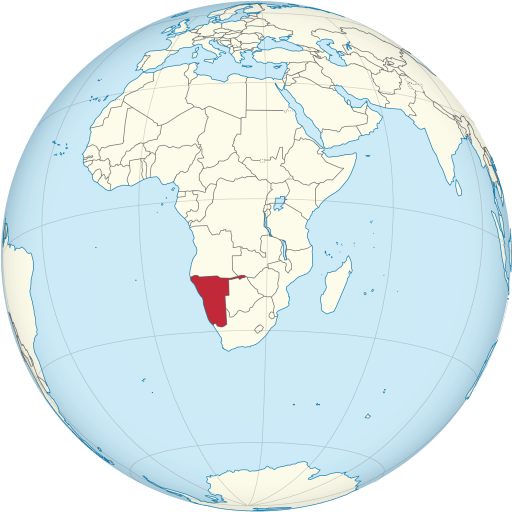
Namibia recognized foreign same-sex marriages between citizens
What happened:
The Supreme Court of Namibia recognized same-sex marriages contracted abroad between citizens and foreign spouses.
Why this matters:
This is a major win for Namibian citizens and their foreign spouses, who were at risk of deportation and lack of benefits due to their marriages not being recognized. The judgment is a significant step in recognizing the rights of individuals irrespective of their sexual orientation or gender identity in the region. Homosexuality remains illegal in Namibia under a rarely enforced colonial-era law from 1927.
Tell me more:
The lawsuit was brought by two couples, one married in Germany and the other in South Africa, who faced issues when they tried to settle in Namibia due to the country's Immigration Control Act not recognizing them as spouses. In 2022, the High Court acknowledged that their rights had been violated, and this position was recently upheld by the Supreme Court. In this BBC News World Service interview, Karnie Sharp spoke to Arlana Shikongo, a journalist based in Windhoek to learn more about the ruling. Congratulations to Annette Seiler, Anita Seiler-Lilles, Johann Potgieter and Matsobane Daniel Digashu! (Africanews)
Yay!
Yes, yay, but also, the ruling has sparked a disturbing backlash from religious leaders and politicians, who have stirred up anti-gay sentiments and claimed that the court is imposing "un-African" values on Namibians. The organizers of Drag Night Namibia, a celebration of queer and drag culture in the country, last week had to cancel their event due to concerns for the safety of LGBTQ+ people.
Zoom out:
Earlier this month, Nepal's Supreme Court similarly ordered its government to recognize a foreign same-sex spouse for immigration purposes.
Fun fact:
Ricardo Amunjera, 31, and Marc Themba, 30, are believed to be Namibia's first married gay couple. This 7-minute film by the International HIV/Aids Alliance and Positive Vibes talks to the couple about activism, their religious beliefs and their experience of conducting a loving relationship in a country where being gay is against the law.
An interesting fact about Namibia, written by ChatGPT
"A 2016 Afrobarometer opinion poll found that 55% of Namibians would welcome, or would not be bothered by having, a homosexual neighbour. Namibia was one of only four countries in Africa polled with a majority in favour, the others being South Africa, Cape Verde and Mozambique." I fact-checked this. It was a copy and paste from Wikipedia. I also checked the link from the Wikipedia article. My god, what's going to happen to "content" in the future? Are we all going to become editors?
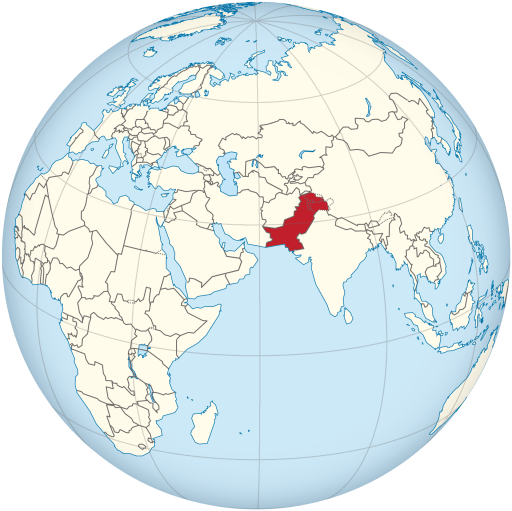
Pakistan shut down the internet for four days -- the country's tech industry is mad
What happened:
From May 9 to 12, for four days, Pakistan's tech industry lost between US$3 million and US$4 million a day as internet services across the world's fifth-most populous nation were shut down because of a political crisis.
Why this matters:
Pakistan is an up-and-coming challenger to the global tech industry. People in Pakistan are mobile-first, and use digital solutions for financial services, mobility, food, commerce, and more. The country is the third-largest global supplier of freelance work, and IT services make up a large chunk of it. Plus, "as stated by STZA, Pakistan is the second-highest rated country in South Asia for the ease of doing business, and boasts a 70% increase in IT exports over the last three years."
Tell me more:
On May 9, Pakistan's former prime minister and very popular politician Imran Khan was arrested in Islamabad on charges of corruption. Many people protested this across the entire country, and the government imposed an "indefinite" internet shutdown in several regions. It got pretty violent. As of last week, 16 civilians face military trials in connection with the violence. On May 12, the Supreme Court ruled Khan's arrest illegal, and he was set free. During that time, internet services in Pakistan had been shut down and restored, causing a massive shutdown.
What happened to the tech industry?
It was hit pretty hard. Careem, inDrive, Foodpanda, and Bykea were among the companies that took the worst hit from the internet suspension, reported independent news platform ProPakistani. The telecomms industry lost US$5.4 million in total. Pakistan-focused venture capital association VCAP even wrote a letter to the government, basically saying that "you can't just do this. So many jobs are at risk if you just shut down the internet." Freelance workers in the country also lost access to the outside world during the shutdown.
Are there any long-term effects?
Well, of course. The country has already been dealing with a huge economic crisis as forex reserves are dwindling. It is currently waiting on a US$1.1 billion loan from the International Monetary Fund. Foreign direct investment (FDI) in Pakistan has dropped by 44% in the first months of the 2023 financial year. Wille Eerola, chairman of the Finland Pakistan Business Council, is basically like, "yeah, no wonder. The internet shutdown is only harming --- or even destroying --- the image of Pakistan as a country for international business and FDI."
Dig deeper:
An...
Please log in or subscribe for free to continue reading this issue.
We could use your help to make this issue better. Take a look at the requests below and consider contributing:
- Submit a piece of artwork for this issue
- Submit a news, academic or other type of link to offer additional context to this issue
- Suggest a related topic or source for future issues
- Fix a typo, grammatical mistake or inaccuracy
Below you'll find some of the sources used for this issue. Only sources that support "media embedding" are included.
-
Two essential stories to round off your working day. Explaining the news from Africa
-
Two Namibian nationals had sought recourse from the courts after the ministry of home affairs and immigration refused to grant permits to same-sex foreign spouse whom they had married outside the country
-
Drag Night Namibia has made the difficult decision to cancel an upcoming event due to concerns for the safety of the LGBTQ+ community.
-
The Supreme Court of Nepal has instructed the government to recognize the same-sex foreign spouse of a Nepali citizen.
-
Ricardo Amunjera, 31, and Marc Themba, 30, discuss their experience of conducting a loving relationship in a country where being gay is against the law
-
Sixteen civilians to be tried in military courts in connection with the violence that followed former PM Khan’s arrest.
-
Pakistan Telecommunication Authority (PTA) has pulled the plug on mobile internet for an indefinite period as per the directives of the Ministry of
-
Pakistan-focused investors at the Venture Capital Association of Pakistan (VCAP) on Thursday requested...
-
Firms and gig workers see losses piling up amid internet shutdowns in big cities.
-
These frogs are considered one of Earth's most toxic, or poisonous, species. For example, the golden poison dart frog has enough poison to kill 20,000 mice. With a range of bright colors—yellows, oranges, reds, greens, blues—they aren't just big show-offs either. Those colorful designs tell potential predators, "I'm toxic. Don't eat me." Scientists think that poison dart frogs get their toxicity from some of the insects they eat. How do poison dart frogs capture their prey? Slurp! With a long, sticky tongue that darts out and zaps the unsuspecting bug! The frogs eat many kinds of small insects, including fruit flies, ants, termites, young crickets, and tiny beetles, which are the ones scientists think may be responsible for the frogs' toxicity. Poison dart frogs live in the rain forests of Central and South America.
-
Turkey's monetary policy places an emphasis on the pursuit of growth and export competition rather than taming inflation.
-
Uruguayans in the capital Montevideo are praying for rain amid a historic drought that has left the main reservoir for the city with only ten days of water left. In Uruguay, the water deficit is the worst in 74 years, according to officials. It is affecting supply to thousands of households and leading to poor water quality.
-
Government advised to take cyber attacks seriously, come up with policies to make internet use safer and more productive.
-
Violence in recent days has stopped aid getting to civilians, as fears grow war will escalate
-
Millions of people in Mexico have been warned to prepare for a possible evacuation after increased activity from the country’s most dangerous active volcano, which has been spewing ash into several nearby towns since last week, according to authorities.
-
German lawmakers have given the green light for the country's troops to remain in Mali until May 31, 2024, at the latest. The opposition called for a troop withdrawal by the end of this year.
-
The court sentenced the former Mayor of Wang Wiset district to the death penalty today over the murder of land rights activist in Thailand...
-
Ministers to close loophole in 2018 Ivory Act that means animals other than elephants can be targeted
-
How the celebrated South African photographer David Goldblatt captured apartheid’s contradictions in stark black and white
-
I loved my grandmother's fresh kimchi. But as I aged, tasting the defining flavor of my childhood became elusive.
-
More than 2m litres of water pumped from dam on orders of food inspector who said device held sensitive government data
Each week, What Happened Last Week curates news and perspectives from Asia, Africa, and the Americas. The newsletter is written by Sham Jaff and focuses on stories that rarely receive sustained attention in Western media.
Read the free edition every week. VIP subscribers receive additional stories, recommendations on what to watch, read and listen, and more.